Month: October 2024

Take Ups

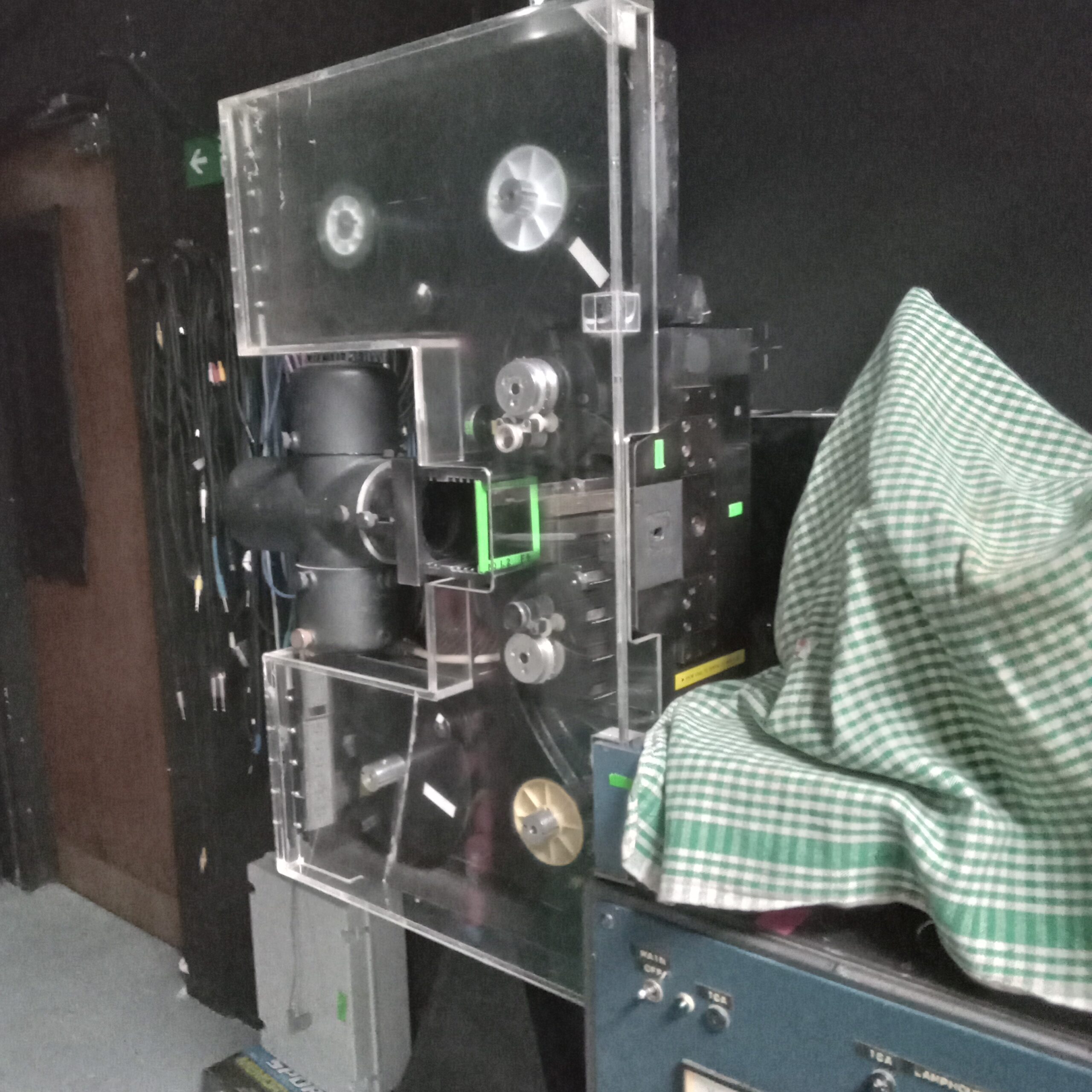
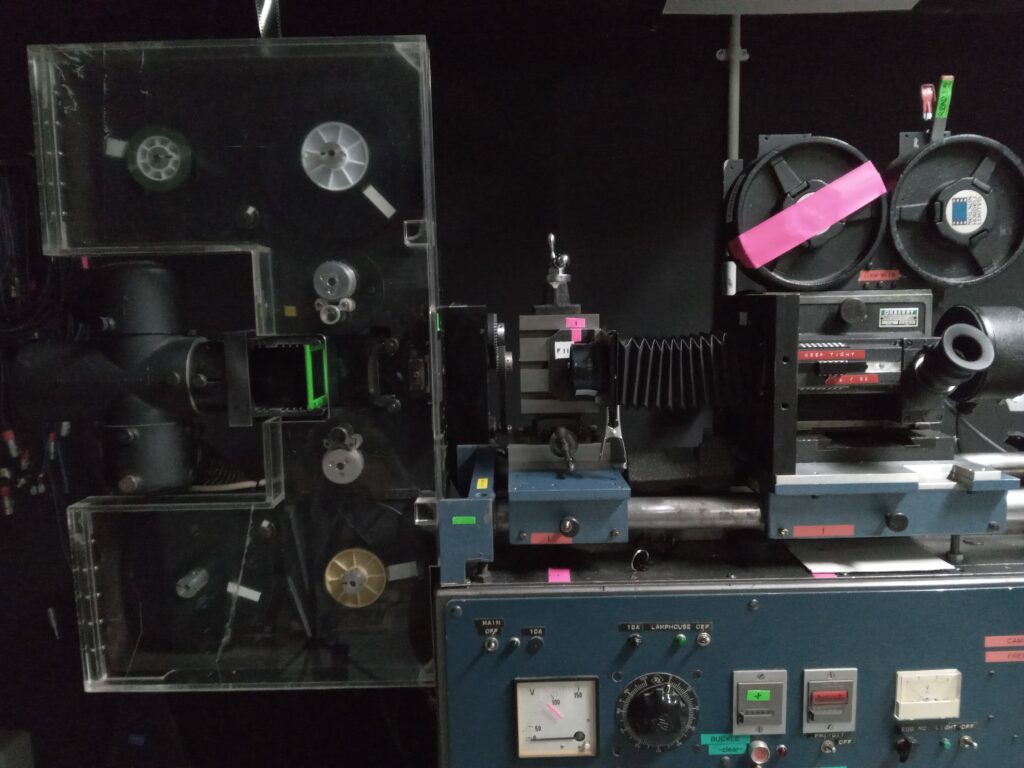
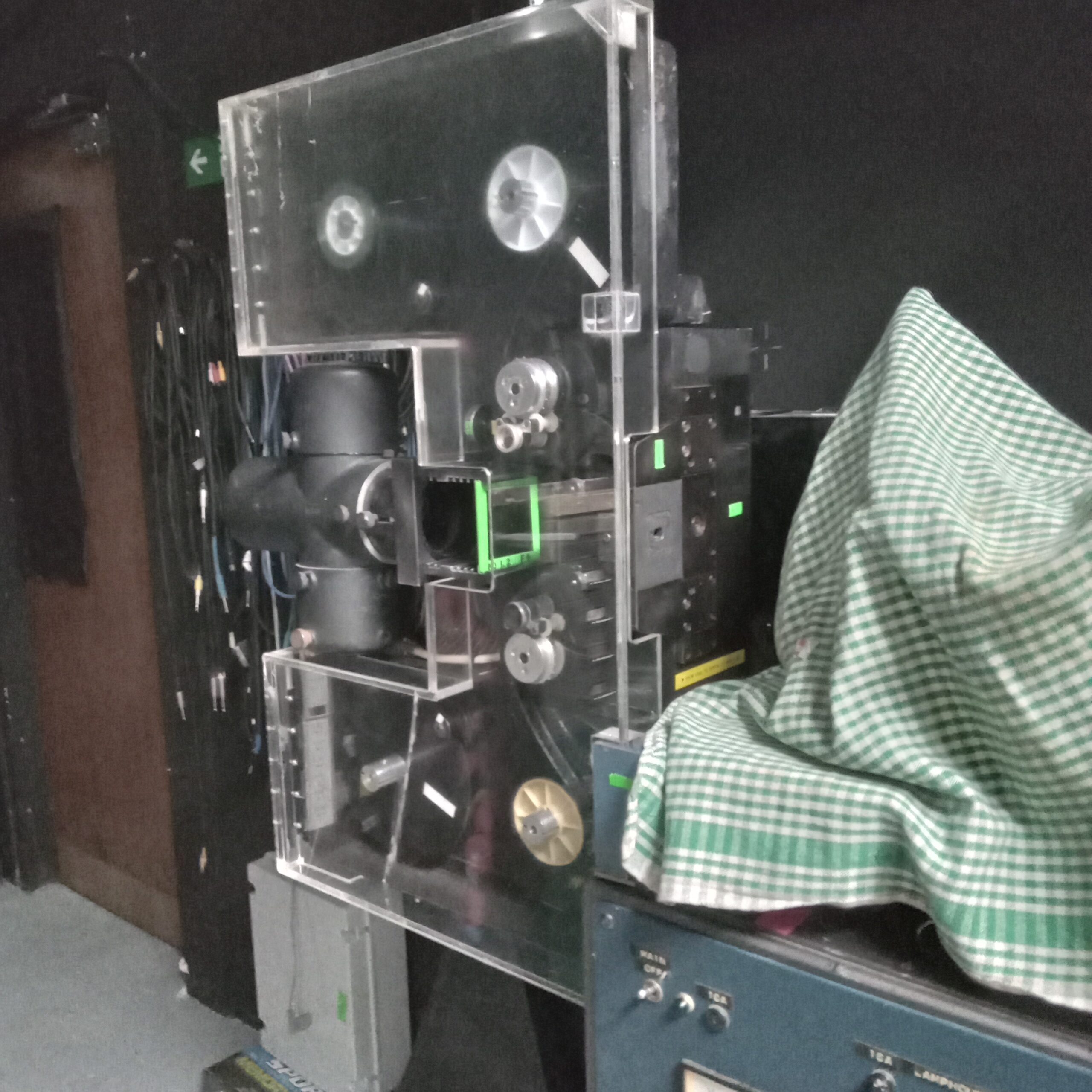
Last thing to fix before getting on and shooting tests is the take up power suplies for the 120V/AC motors. Budget restraint means I’m using cheap electronic transformer/variac but it seems to work. Ideally I’d like to design somekind of clockwork mech for the mag film tensions because its hard to make this camera portable with a 120 volt supply. The camera motor and PSU can run of 36v and I’ve built a PSU that uses 2 x Makita lion batteries. Seems crazy to need 120v just to keep film on t-cores so clockwork is the answer.

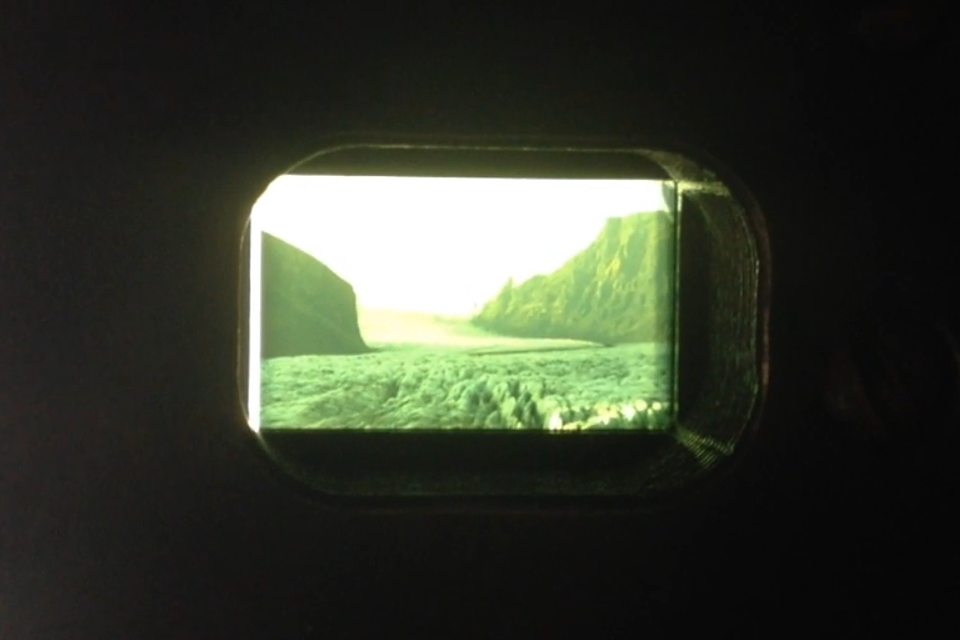
(NB) Alright its not the final thing. Im actually just designing a viewfinder that uses the boresight access hole on the optical axis of this camera. This camera is a NON-reflex type, its also not even a rack-over type. Once you compose, you need to fit the sprockets, load the film and work blind!
Platter recycling

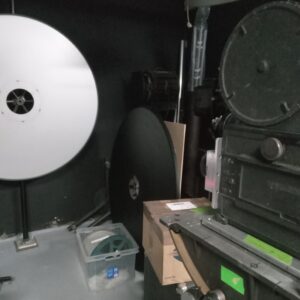
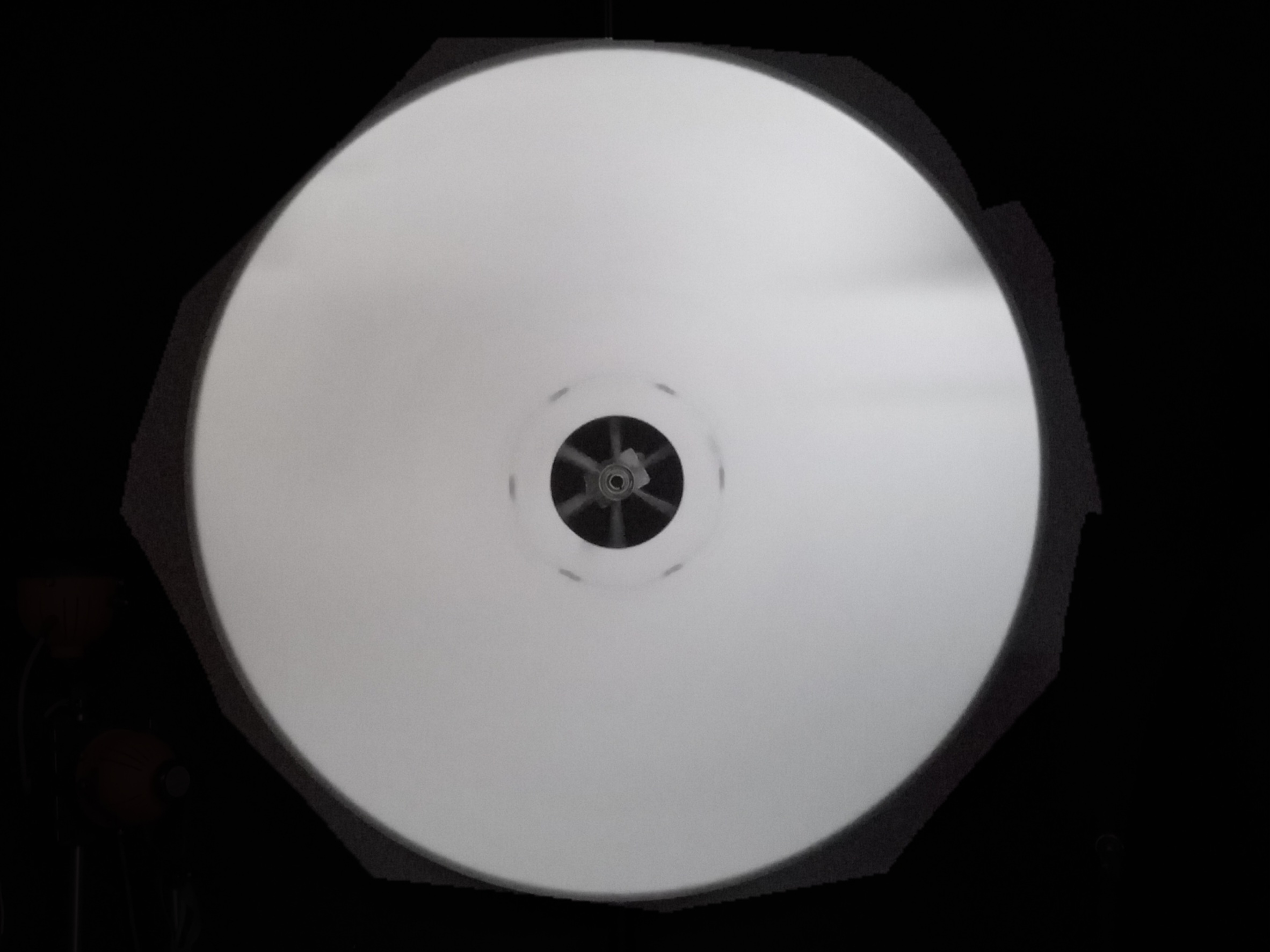
Platter cinema system tables are big pieces of aluminium with curved sides mounted on rigid spokes and a decent bearing. I’ve had them kicking around for years and they started forming ideas when I was thinking about how to employ them creatively. So I’ve got around to mouting a vertical one against black. Next will be some maths and geometry and figuring out dimensions and works. Ive got one I painted black as well. I will also be making a horizontal mount for other ideas.


Rostrum set up for 16mm

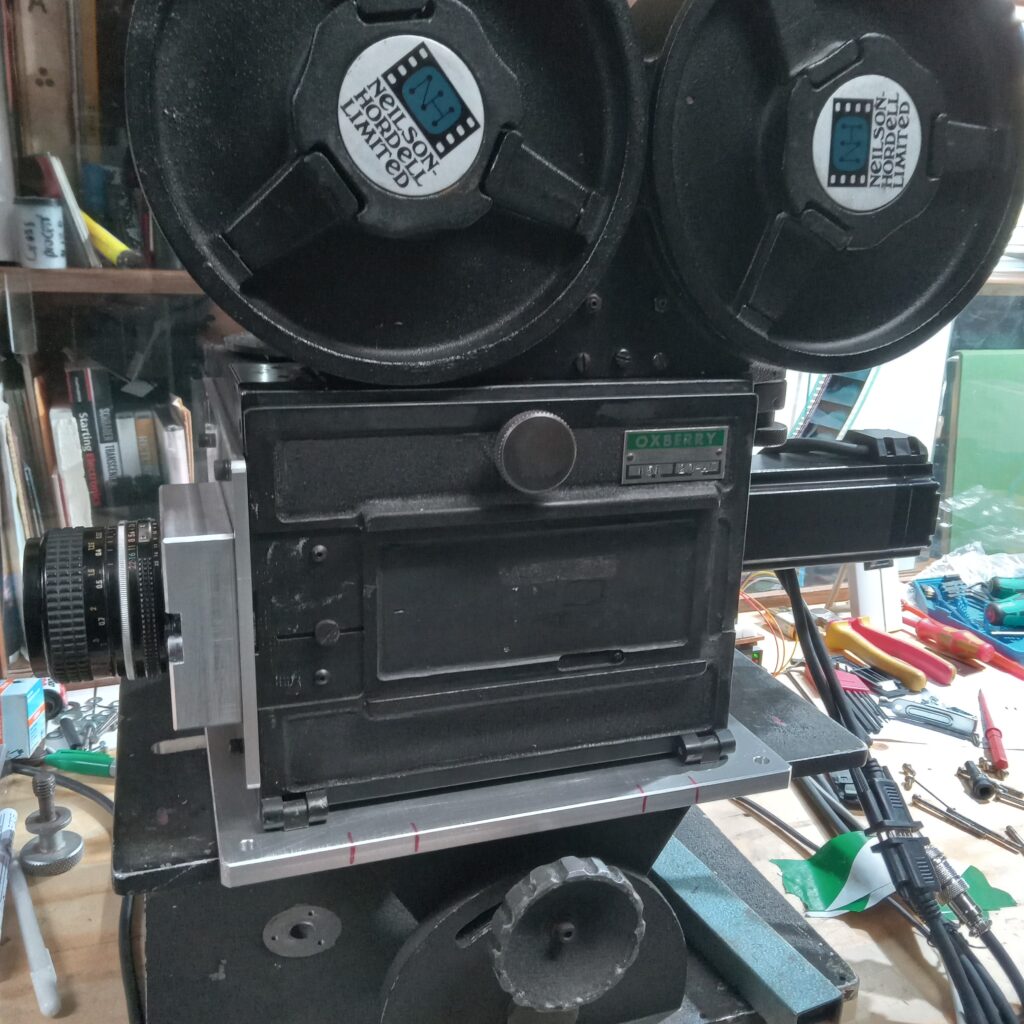
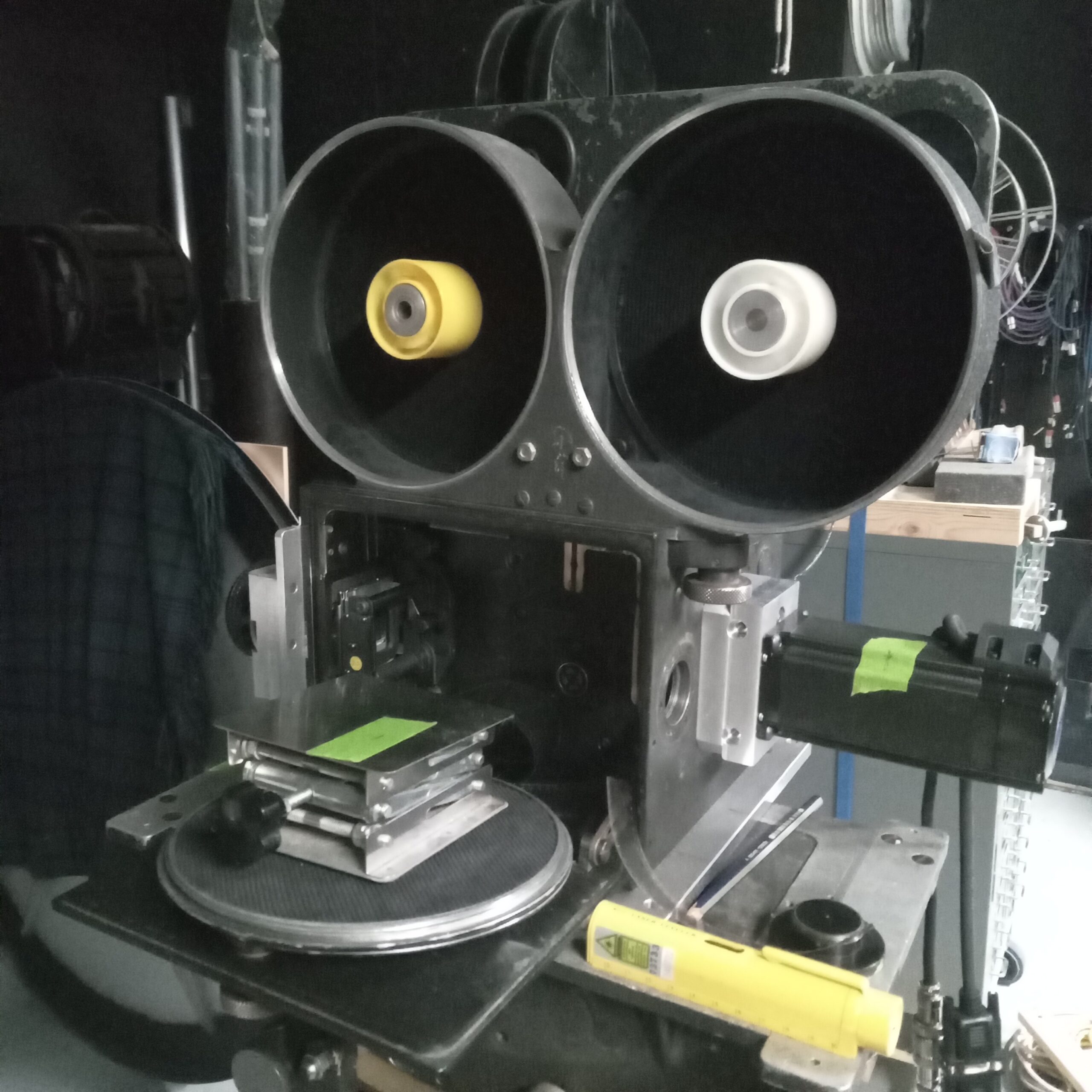
An oxberry optical printer and rostrum stand often use very similar cameras infact there is very little difference between them.


An optical printer images the target upside down in the gate so you thread it in the projector the right way up. This helps you see what you are shooting. Its printed in the gate as if it were being projected so if you print to POSITIVE stock its ready for projection once it is processed.

However on a rostrum camera the artwork or the flat pegbar area infront of the operator is correct for your position but infact as a target its upside down if follow the system above for an optical printer. This means it gets imaged in the camera the right way up which will cause problems. Now, if you reverse the teeth (this is all for 16mm btw) on the camera sprocket and load the raw film in the normal take up magazine and run the camera backwards it will orientate the image onto the emulsion side at head of the film so the film can then be printed as above.

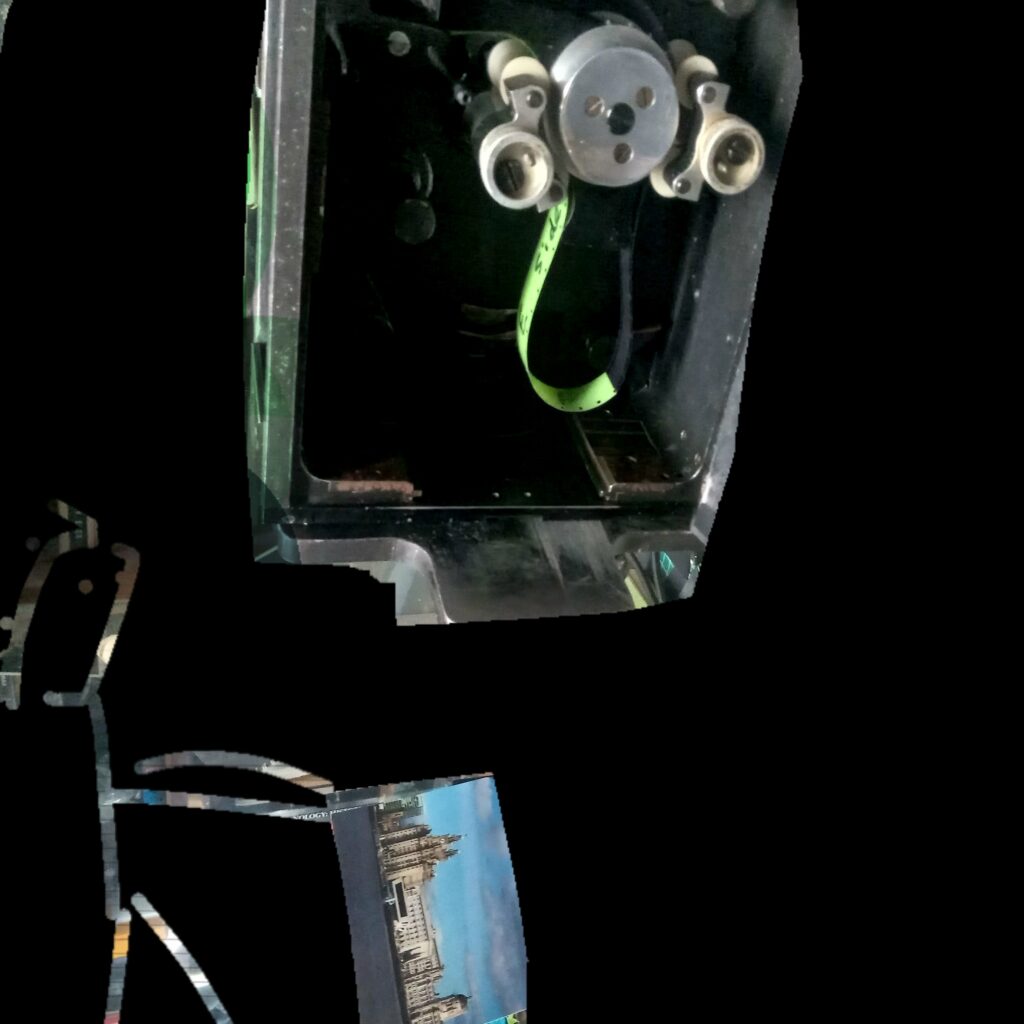
This can be seen in the crude image below where the little stick man on the bottom left is a person working at the peg bar artwork table.


Then, as in this video below, we load film from take up mag, reversed by sprockets and run in reverse (it runs forwards here just to load ref mark into place) we get an image orientated as it would be in a normal camera loading ready to be printed.


Loading, please wait…
BACK TO TOP