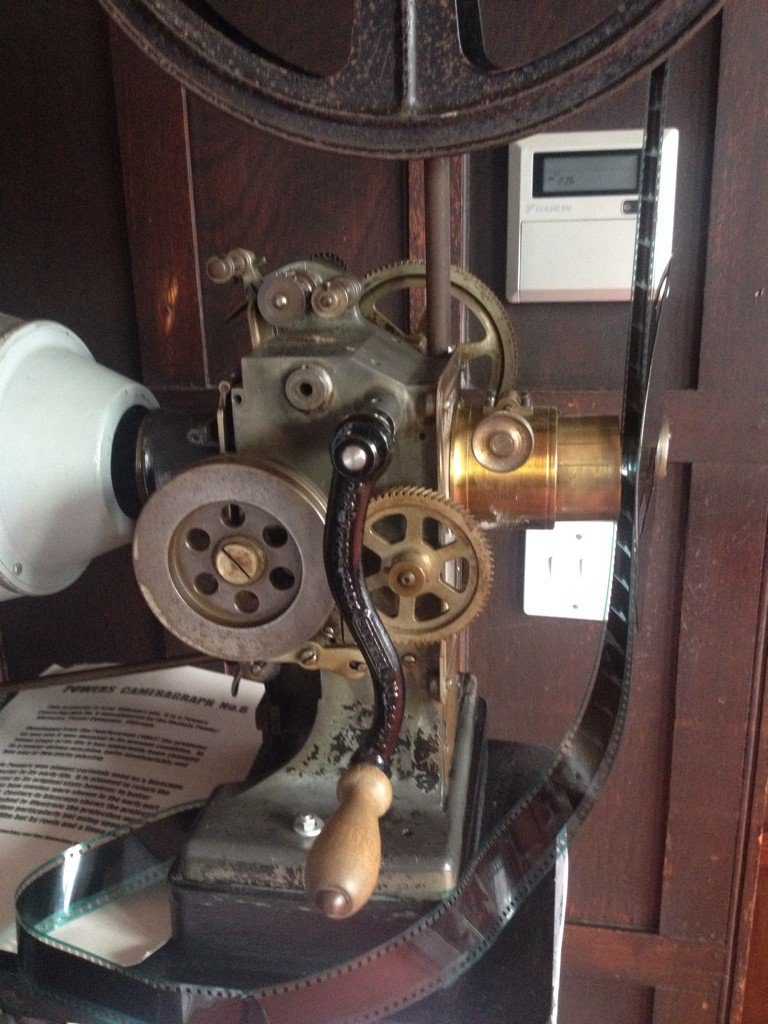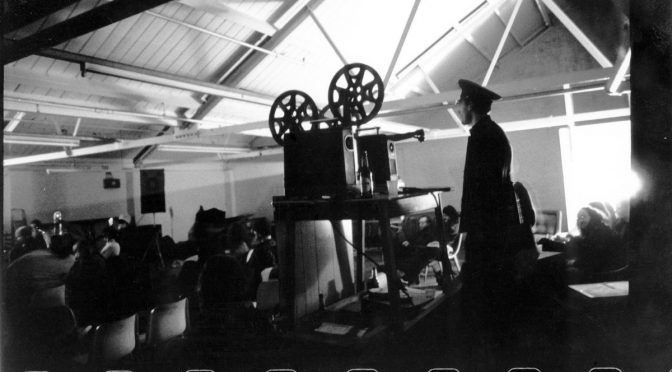
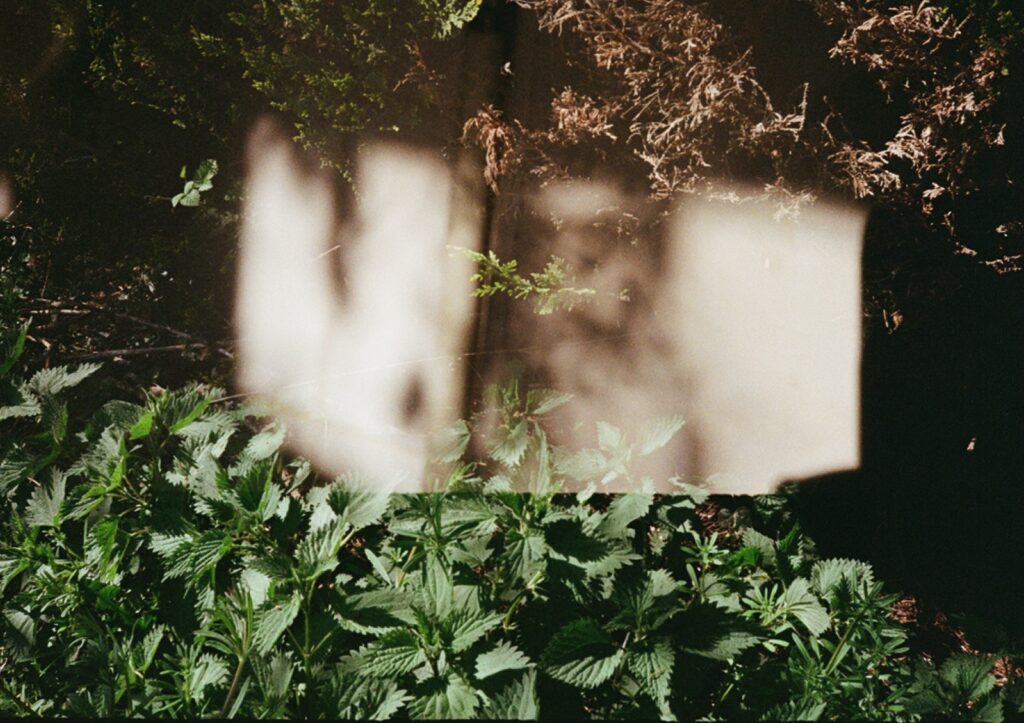
sometimes chance places perfectly the thing you placed mindfully in a flow of possibilities.
sometimes chance places perfectly the thing you placed mindfully in a flow of possibilities.
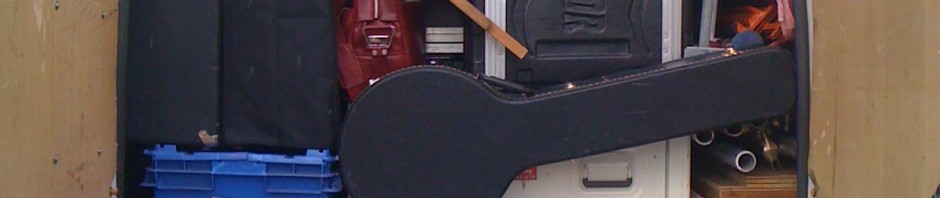
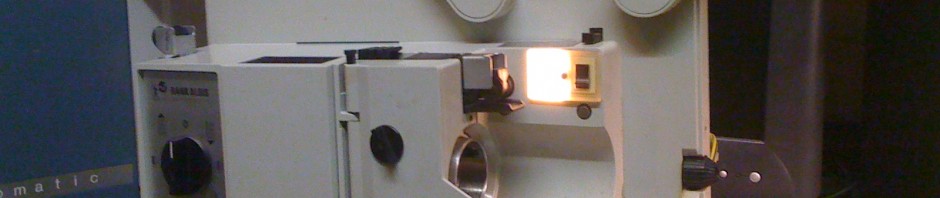
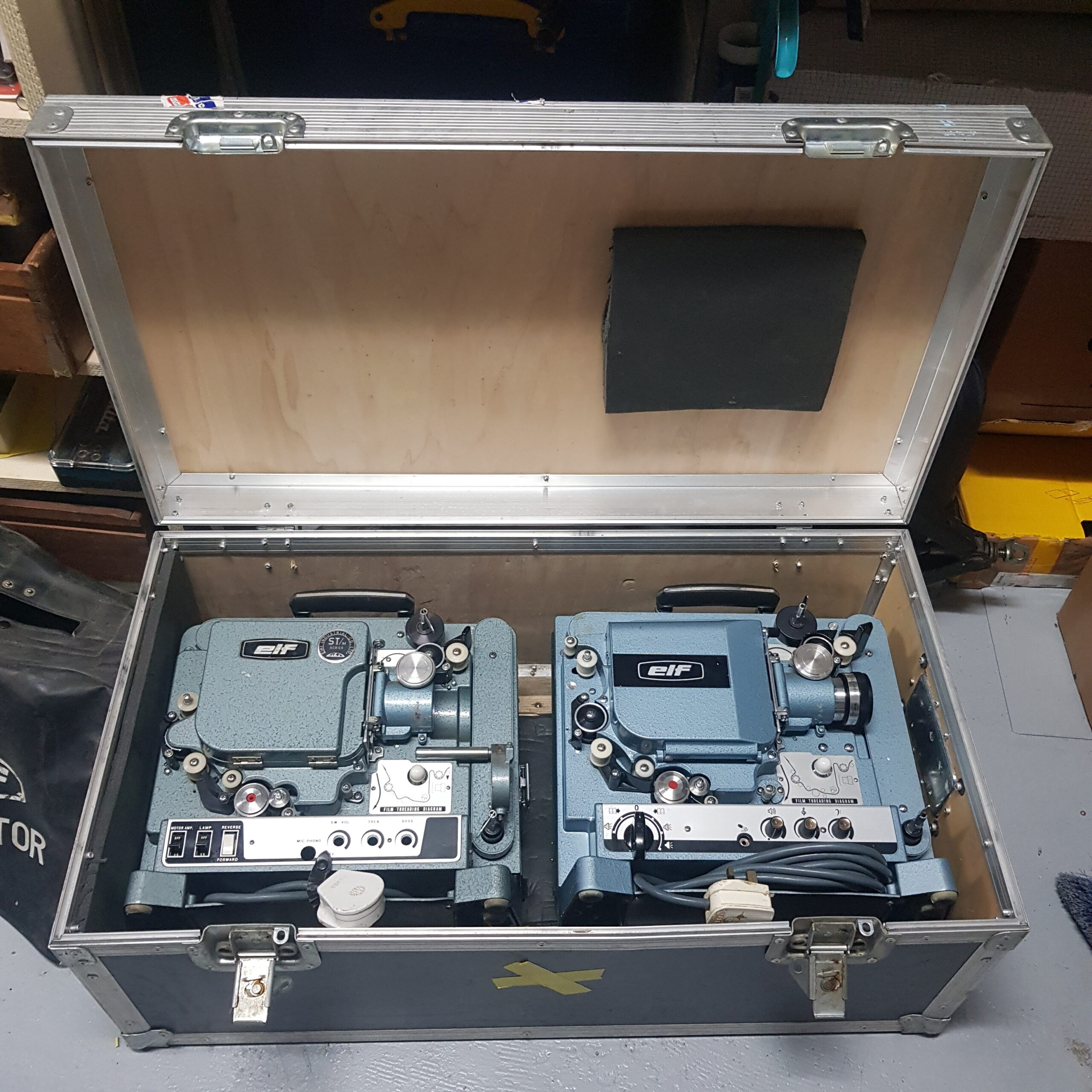
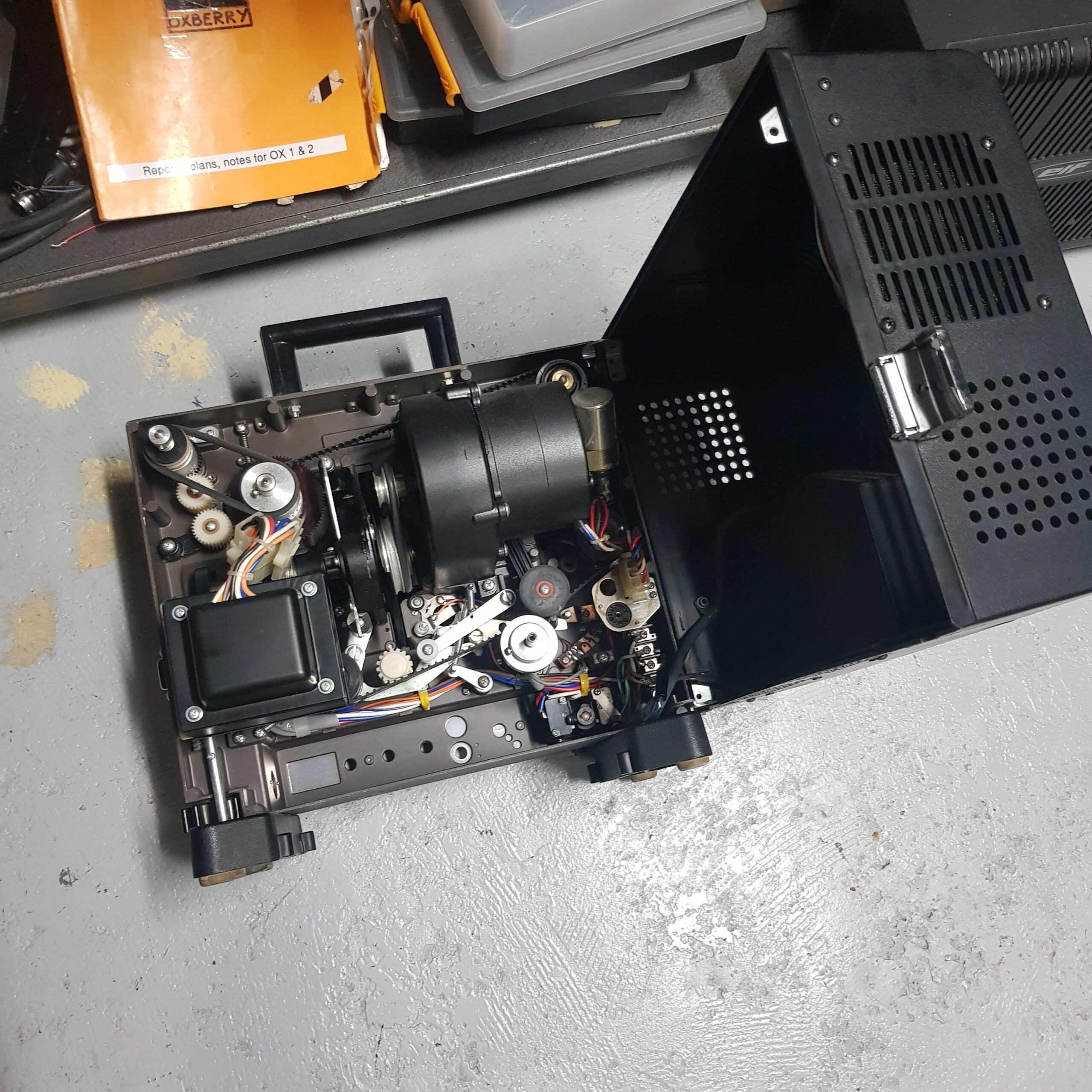
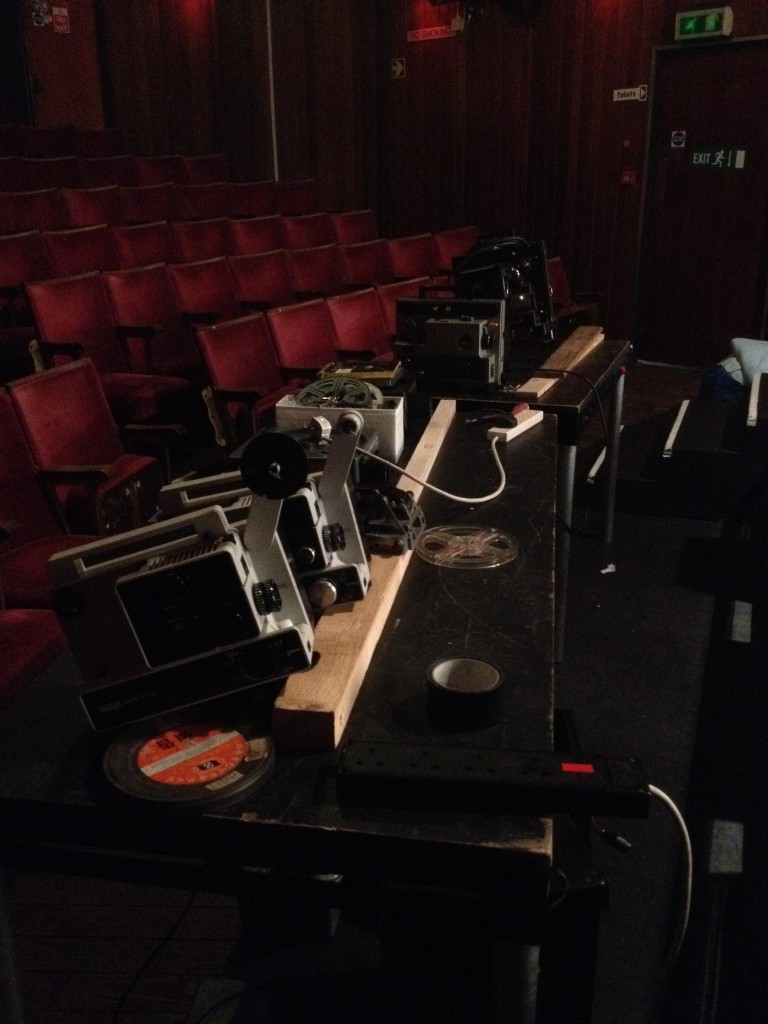
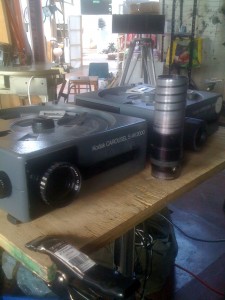
Just been servicing some of my own Eikis for the Bristol 16mm stuff in a few weeks. Two of them fit in the flight case that the geared head came packed in, just without lids. The RT one has been playing up for ages with a problem with power to the exciter lamp. I’ve got a few of these projectors and have started a spreadsheet detailing serial numbers, condition, works, etc.
The beginning and end of Disbanded Cinema
1 : the remains of something broken down or destroyed digging through the storm’s debris in search of survivors sifted through the debris of his flooded house. 2 geology : an accumulation of fragments of rock. 3 : something discarded : rubbish picking up debris after the parade.
I am hoping to hold an exhibition at my studios next year. It will be a mixture of sculpture, video and installation and will reflect on decades of collecting machinery associated with Cinema.
In marked contrast to Expanded Cinema which largely aims to enlargen conventional applications of projection technologies (albeit in inventive, experimental and innovative ways) my aim is to celebrate the metallic presence of film machines as artifacts, sculptures, bodies.
Through simple and crude reinterpretations and reimaginings of their design, aesthetic, function and mechanical operation, objects will explore the inner space of their own legacy of purpose.
Alongside these sculptural works will be several moving image works including one made using a 3 colour b/w seperation film preservation technique.
It struck me recently, when unloading a final lorry load of gear that all these strange objects and parts all have their own sculptural presence. And when some are combined they take on new forms that contribute to an extension, an expansion of their lifes, or afterlifes. That is they keep giving, even in advanced redundancy and obsolescence they provide ideas, materials, toolsets, techniques, functions and value, that are far from exhaustion.
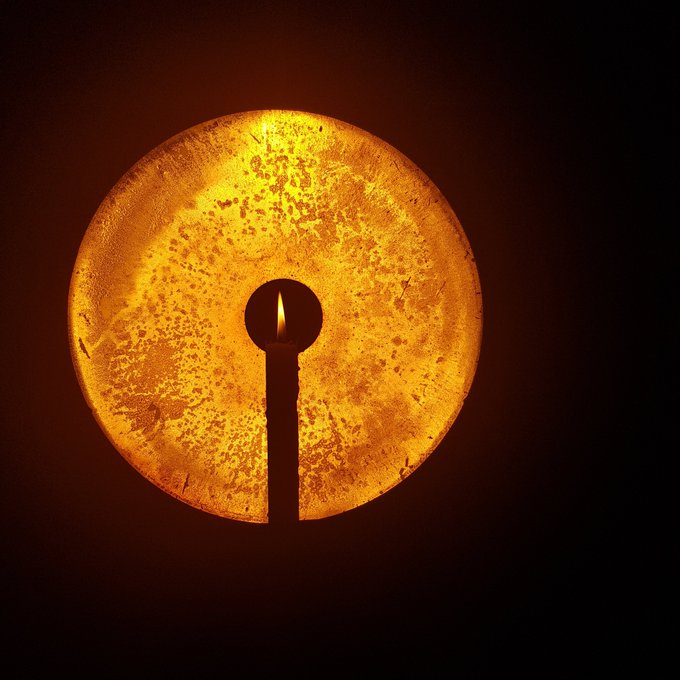
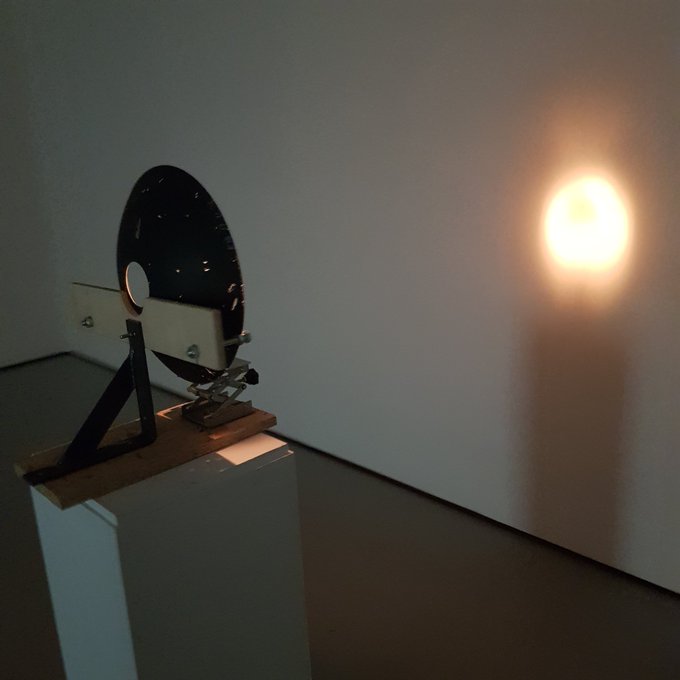
An old carbon arc mirror for instance, used in pre-XENON eera lamp houses finds a calm place when combined with the crudest light source, a candle.
Or here, where a cinema platter table, used to manage 35mm prints in cine-multiplexes combines with a completley stripped down steenbeck frame. Any use value or functional purpose this editing table had in a previous life is now dismantled to reflects it core being, a big metal welded frame that can act as a base for all kinds of projects.
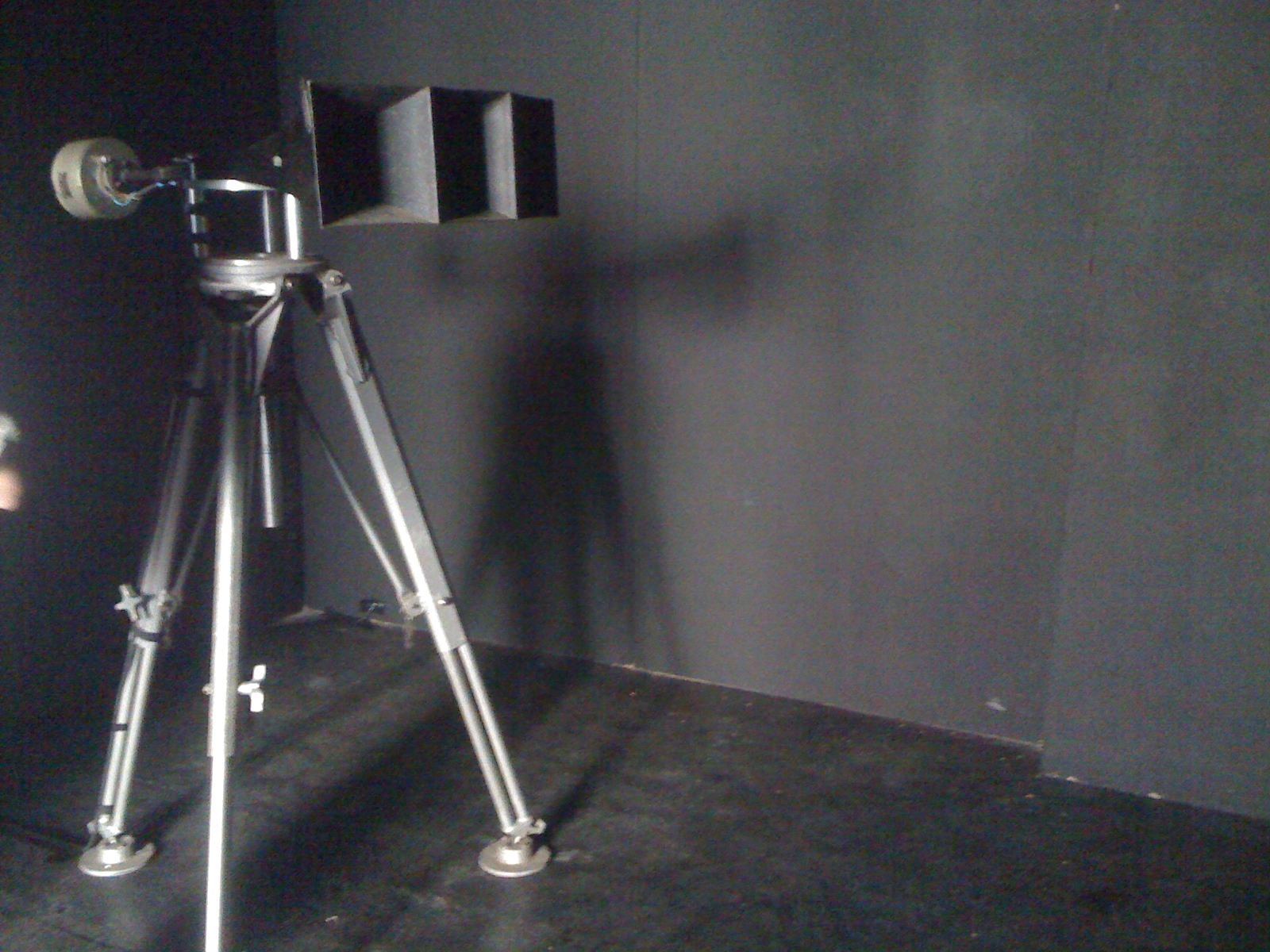
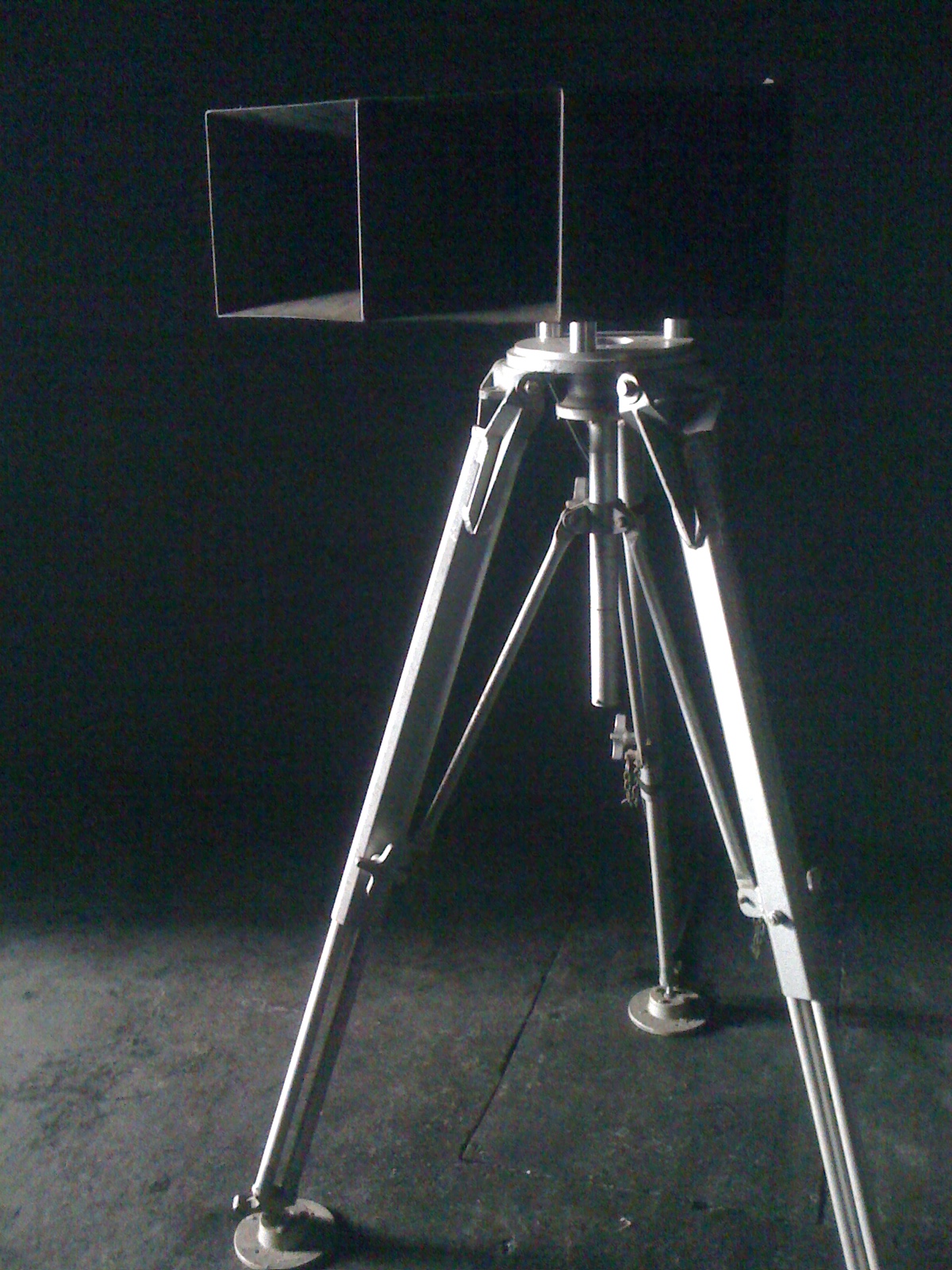
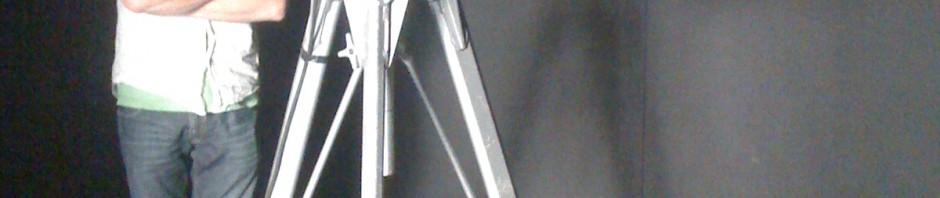
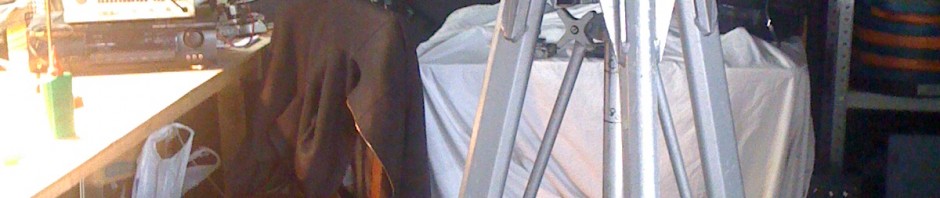
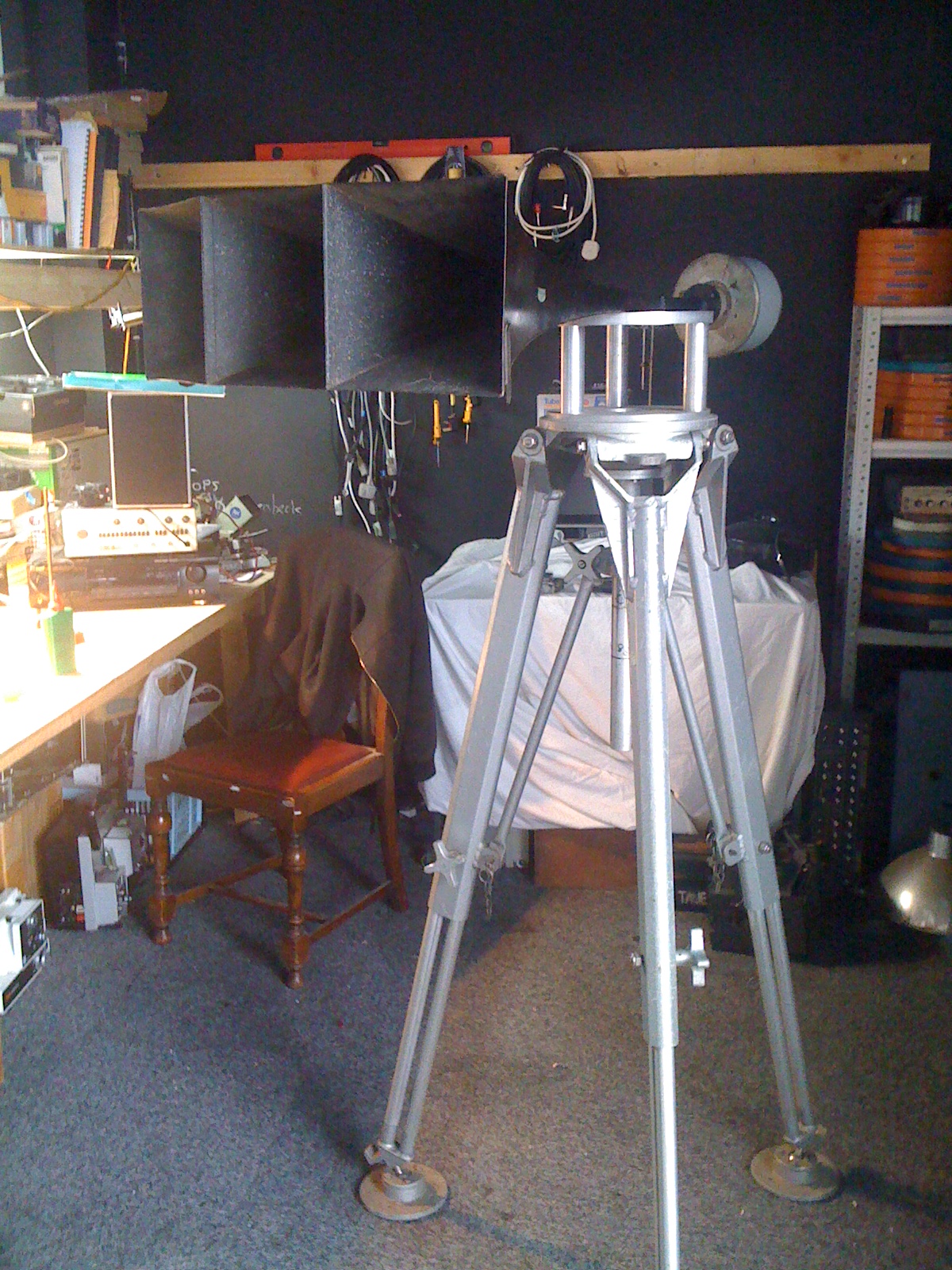
I will construct a new version of this arrangement where a large horn speaker, used as the centre speaker for over 10 years in an old cinema in Bristol is combined with some heavy studio ‘legs’ or tripod which I was gifted by the late Dave Borthwick from Bolex Brothers animation studio.
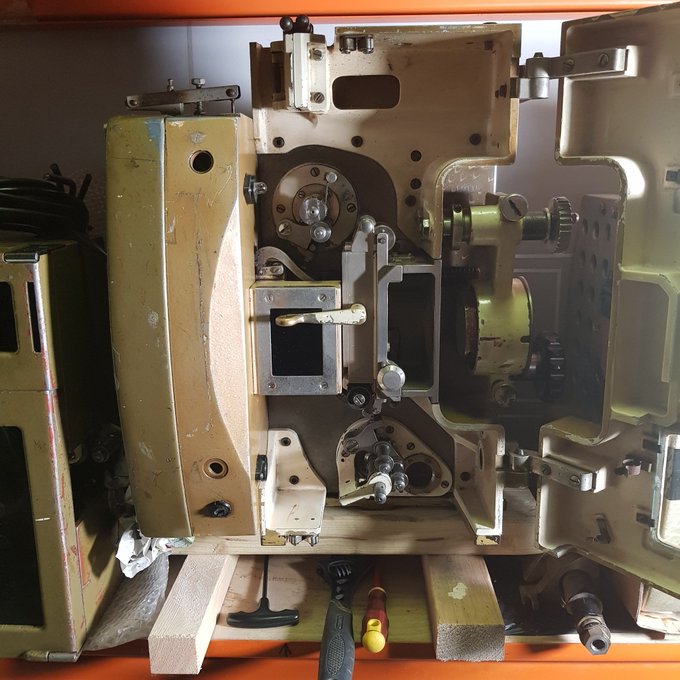
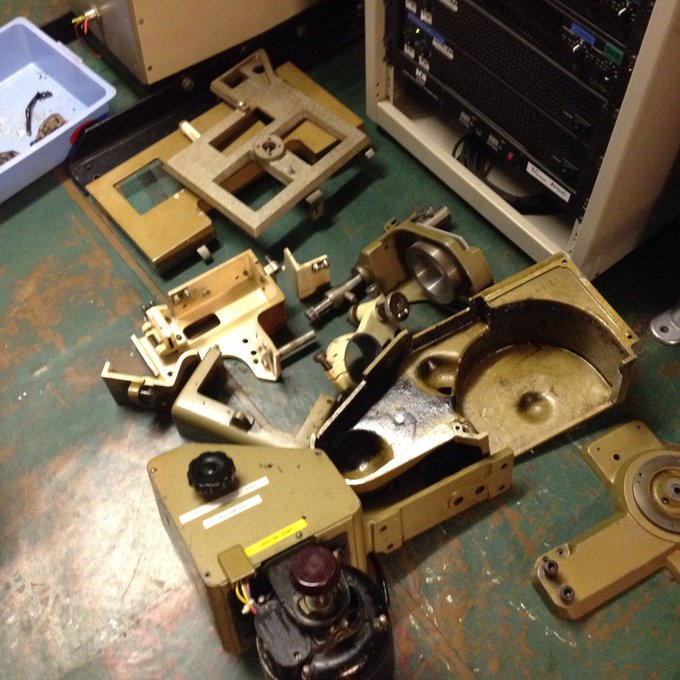
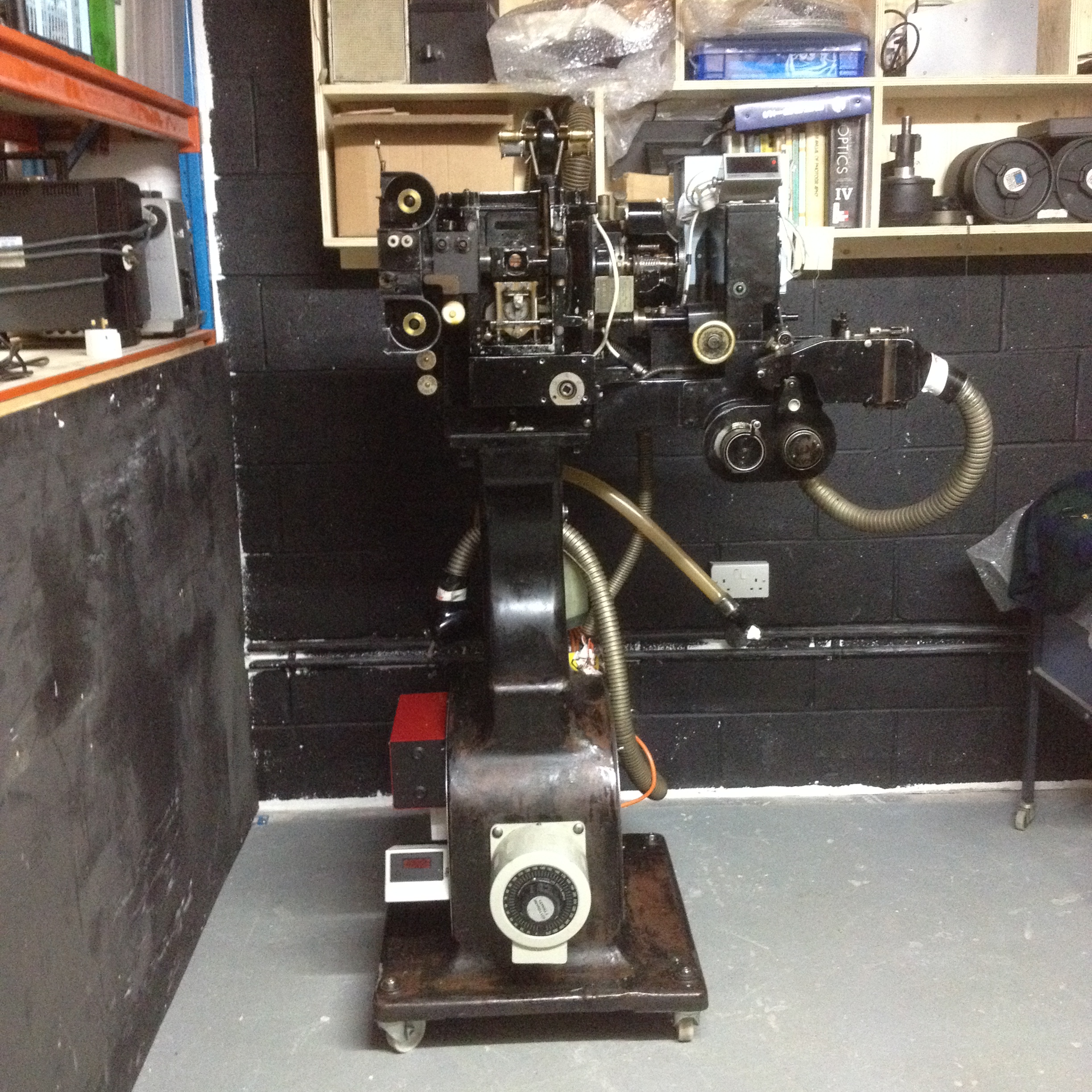
My old friend, the Kalee 21 (above) that we ran at the Cube Cinema from 1998 to around 31st January 2016 will be placed, like a bust, on a plinth inside which I might try and build a loop holder (like a Kinetoscope). It will sit on some scales as if to weigh its soul.
None of these objects is in fact ‘junk’ in any way. Their reorientation as objects in a gallery show is booked into their diaries. The rest of the time they are all employed in other ways, some reflecting their designed use and sometimes revealing re-purposings.
I have in mind about 10 pieces and am working from now until next year with the exhibition planned for March possibly.
I will use this blog as a diary/note book/sketch book/scrap book as I go along to document the whole process.
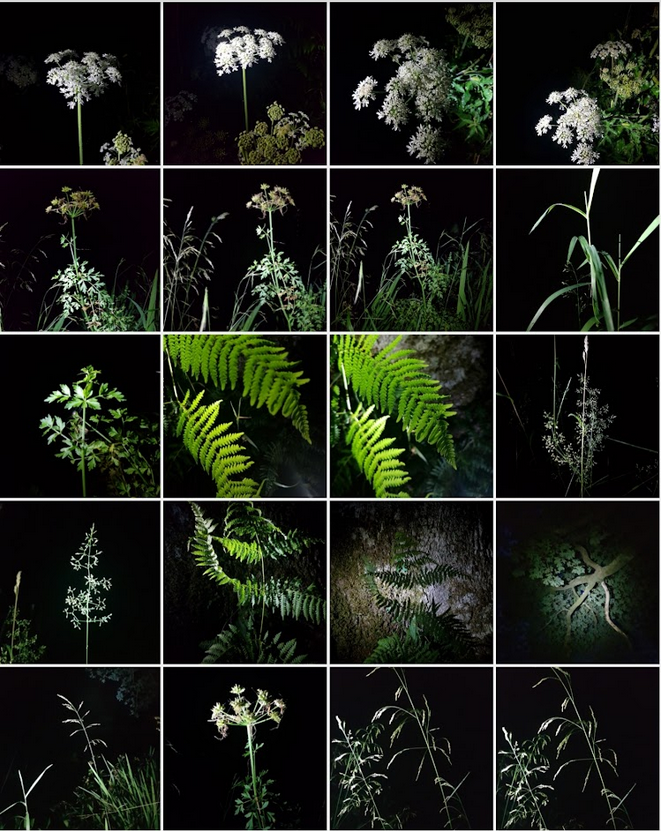
Down by the river Dart last week looking and listening to the Bats I took some photos using an LED torch and my phone.
The results are ok, but when you look closely they are really blurry, stroby and uneven. This process of looking at night time really appeals to me and I will be doing more using better gear.
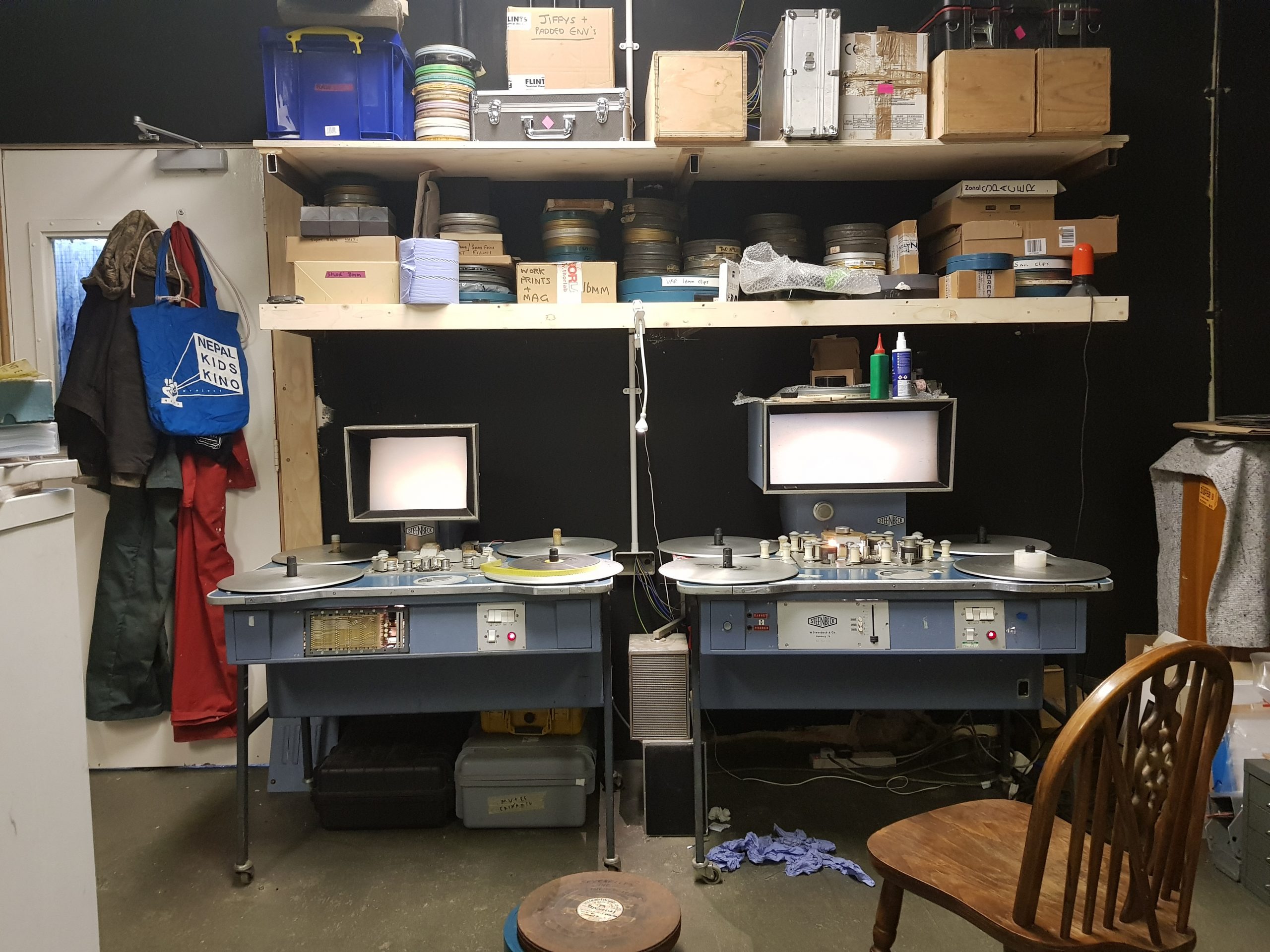
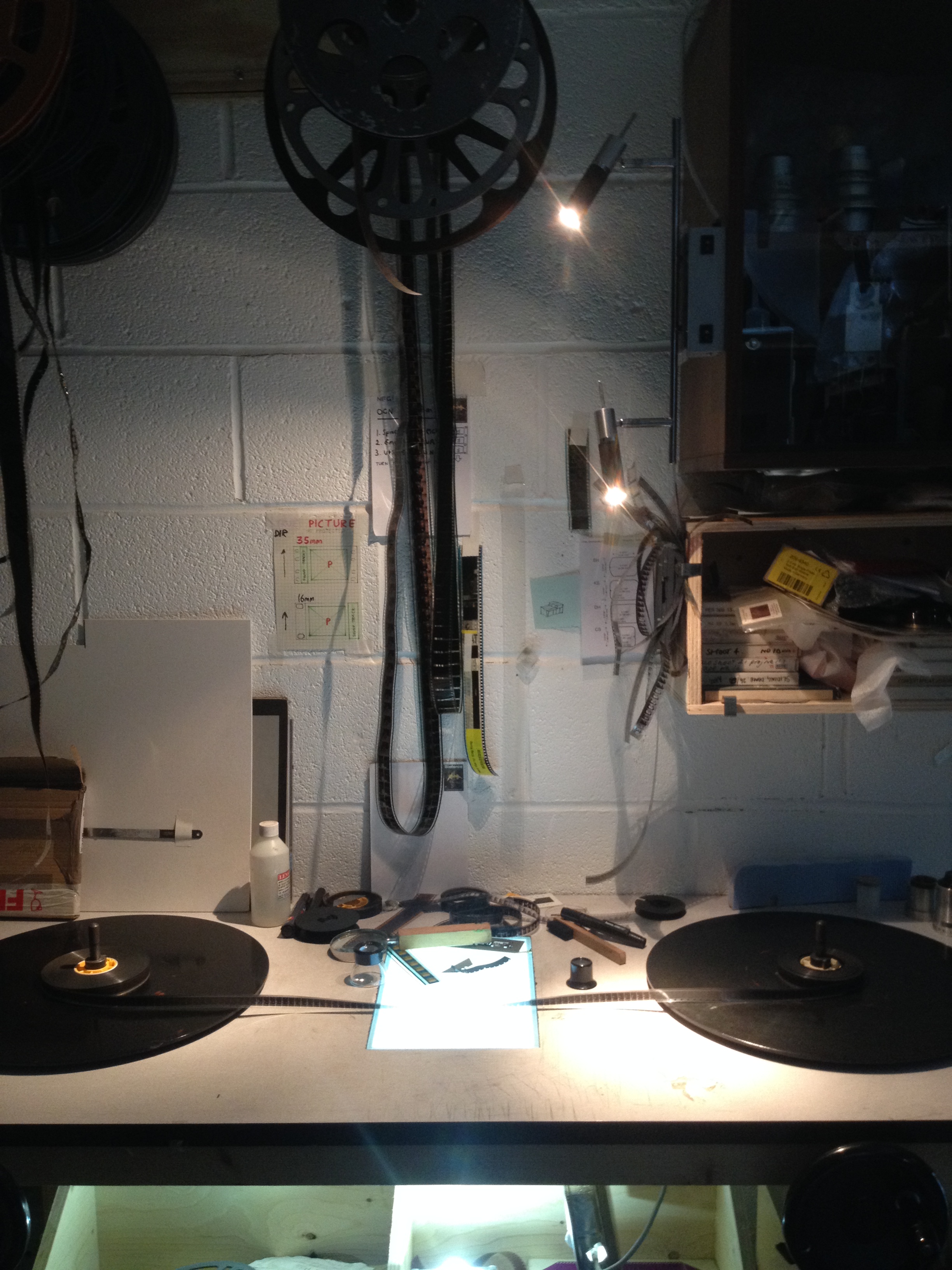
Been getting into workshop hardly at all due to full time kids homeschool. Managed to get in on monday and started on the viewing table area. Ive got a 16 and a 35 and they both need a few bits of work.
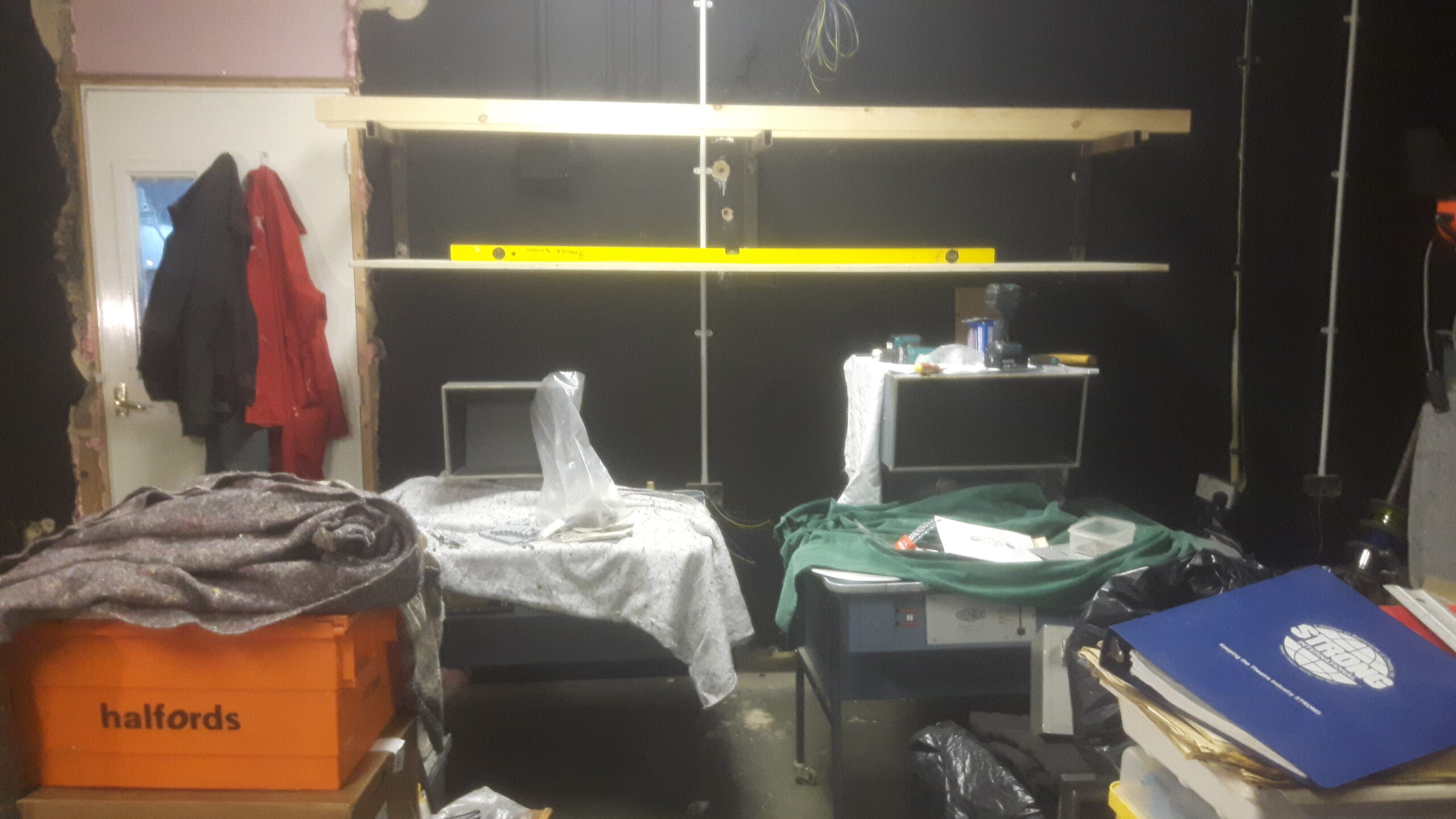
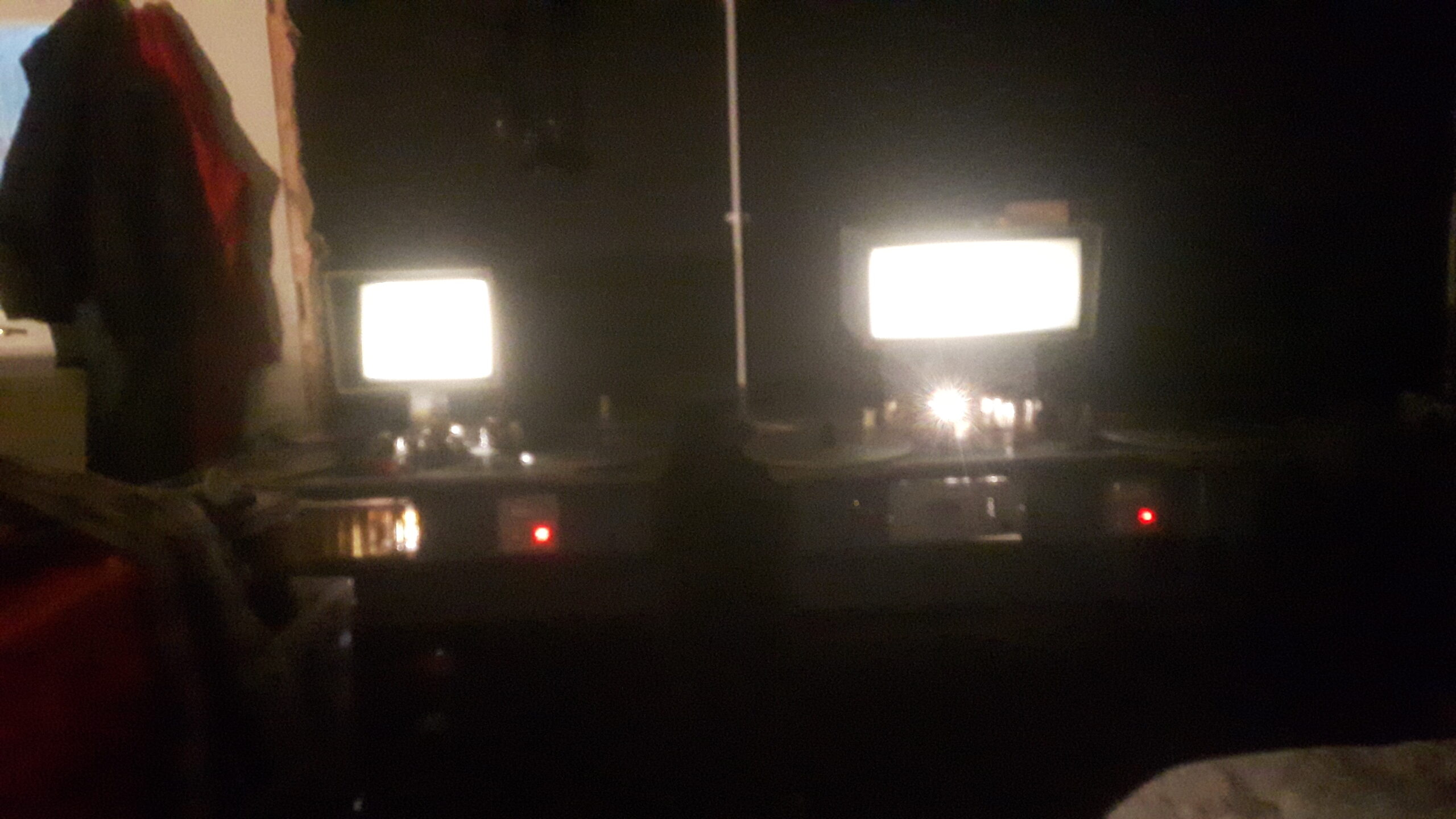
The 16 has had a full drive belt and bearings service by Lew.G and the picture is the best Ive ever seen it. However the optical sound reader and circuit does not work. I need to replace the whole opt/mag2 assembly and see where that gets me. I’m considering bypassing the pre-amp and greater audio circuit anyway as can be done to improved audio quality on 16mm projectors. If the red LED light source is succesful then this would be great. The 35mm problem is power to the excitor lamp and other issues, so both tables are currently without opt sound which is annoying. Luckily Ive got plenty of spares and boards and parts, so shouldn’t be too big a problem.
The next project will be adapting the tables to contact printers. This is done by sealing all light leaks, inc the screen. Then fabricating a small slitted plate, probably brass painted black, into the prism assembly and finally a guard to surround the film / prism area. All these adaptations are non-invasive, the table can ALWAYS be returned to normal use within minutes.
Different sized slits will give different exposures. You could also do things like mask the optical soundtrack, or portions of the picture. Triangular slits will produce fades, etc. The creative possibilties are endless. Other nice adaptations will be things like homemade digital frame counters and maybe smpte sync option. see below resources. (some of these are other sites that use, celebrate, maintain and work with these machines.
Heres the final layout for this wall. All raw stocks, films and associated materials are above. Gave the machines a clean, lubrication and service. Need to solve pesky sound problems and then we’ll be away.
http://www.filmlabs.org/index.php/technical-tips/synchronise/
http://www.hi-beam.net/fw/fw46/0709.html
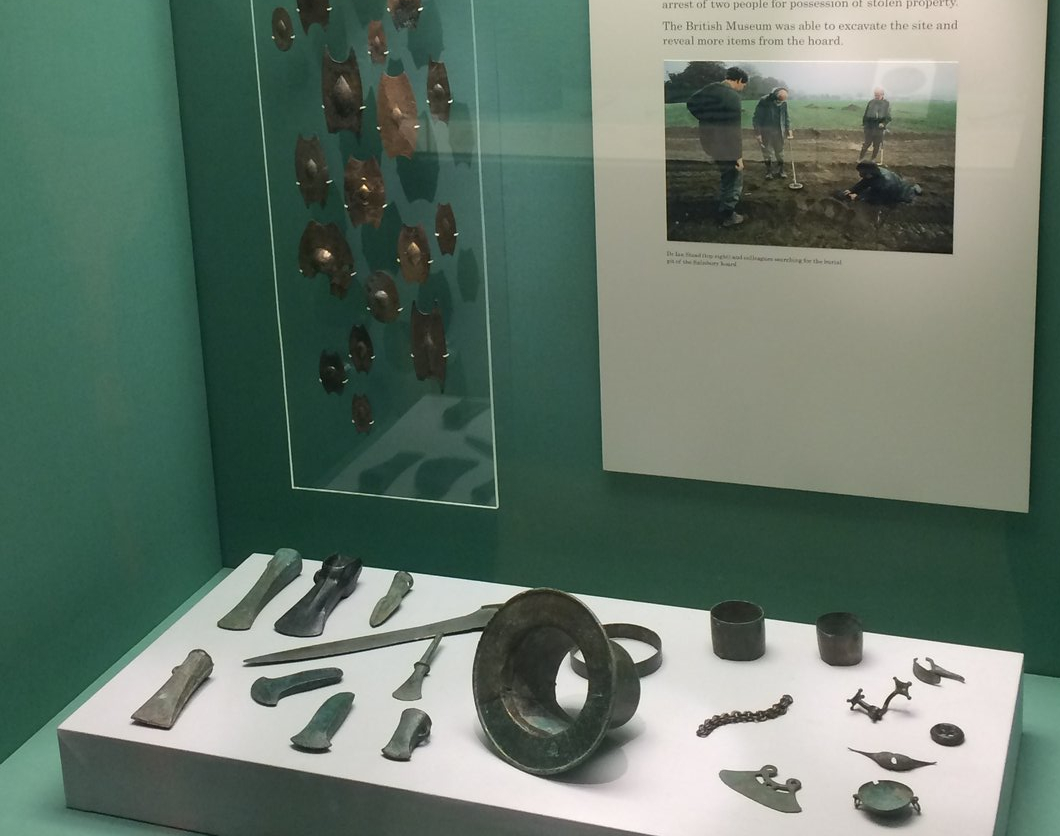
Here’s little old me at the British Museum looking at the case with the Salisbury Hoard.
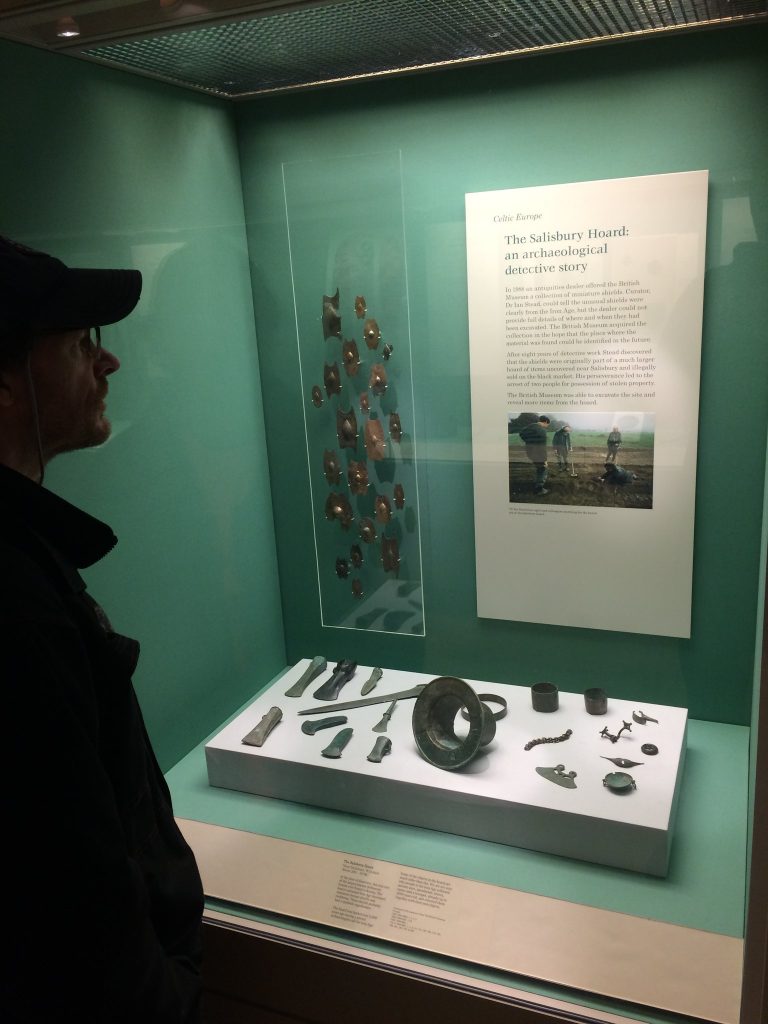
On the left side you can see the miniature shields mounted and they are fantastic. One definitely thinks of badges and toys, talismans. But there is a most concrete sense that you are encountering a kind of ‘modeled reality’. This could be perhaps the definition of ‘toys’, good ones anyway. They enliven and enrich a child’s imagination by their ‘suggestion and modeling’.
I was surprised how small some of them were. Definitely badges!! I proposed a series of miniature shield making workshops to the BM so we will see what comes of this (for kids in half term holidays).
Anyway, just as interesting are the other objects. Are those axes miniaturized? And in the bottom right of the display is a miniature cauldron, with little handles.
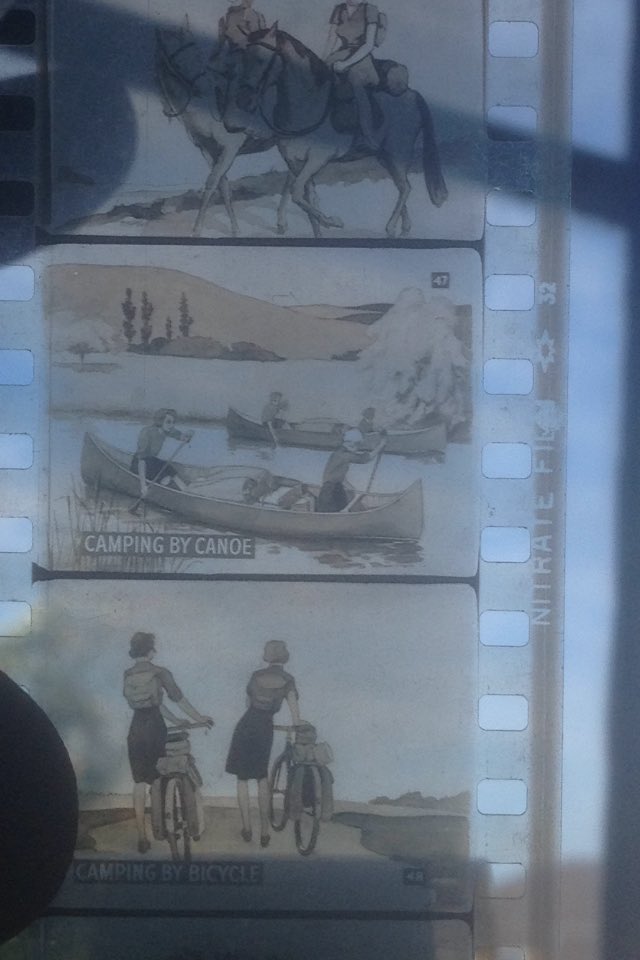
Here is the picture of the slide reel I got in the box with a Rank Tutor that I bought on eBay.
Its a slide show designed to illustrate camping for the Girl Guides. When I saw it was Nitrate stock I nearly fell out of my canoe!!
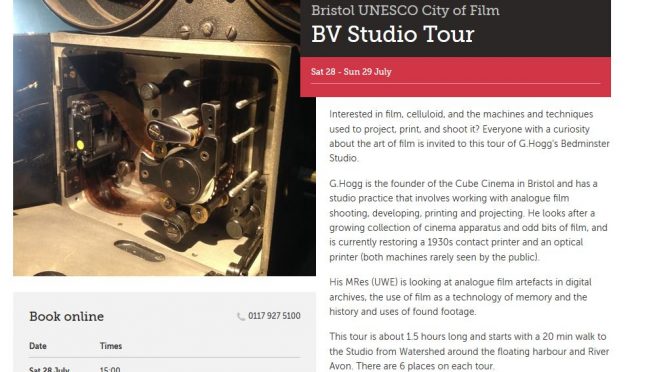
I’ll be doing these studio tours during the Cinema Rediscovered Film Festival in late July at watershed (mainly).
They are tours designed to verbalise what I am doing on several levels. In this regard they are also performances and presentations about ideas, processes, thinking and working collaboratively.
There is an assumed ‘intrigue’ or ‘fascination’ with machines that often forms the basis of inquiries into or explorations of apparatus and historic mechanisms and this is especially true of ‘Cinema’ being principally an art that was an expression of/through/with technical apparatus.
Not in totality of course but a large part of its formations and developments were precisely applications of ‘tools’ that were in themselves defined by their own materiological conditions. Its my conviction that these tools don’t just disappear when Cinema decides to adopt a different toolset (semiconductor based currently) but rather they are free from the over riding economic and industrial restraints of the past and are never exhausted as creative instruments.
But they are also necessary for any future generation to understand the history of their use and their place in the working systems that frame their development as creative tools.
Alexander Horwath recently said, (p27 JPF 96 | 04:2017. FIAF)
“…the actual content of film….is inseparably bound to its writing instruments, its technological basis and material tools. Thus in the future….analogue films will remain fully understandable if analogue film, including its parts of which the film strip is only one, remains accessible as a working system”
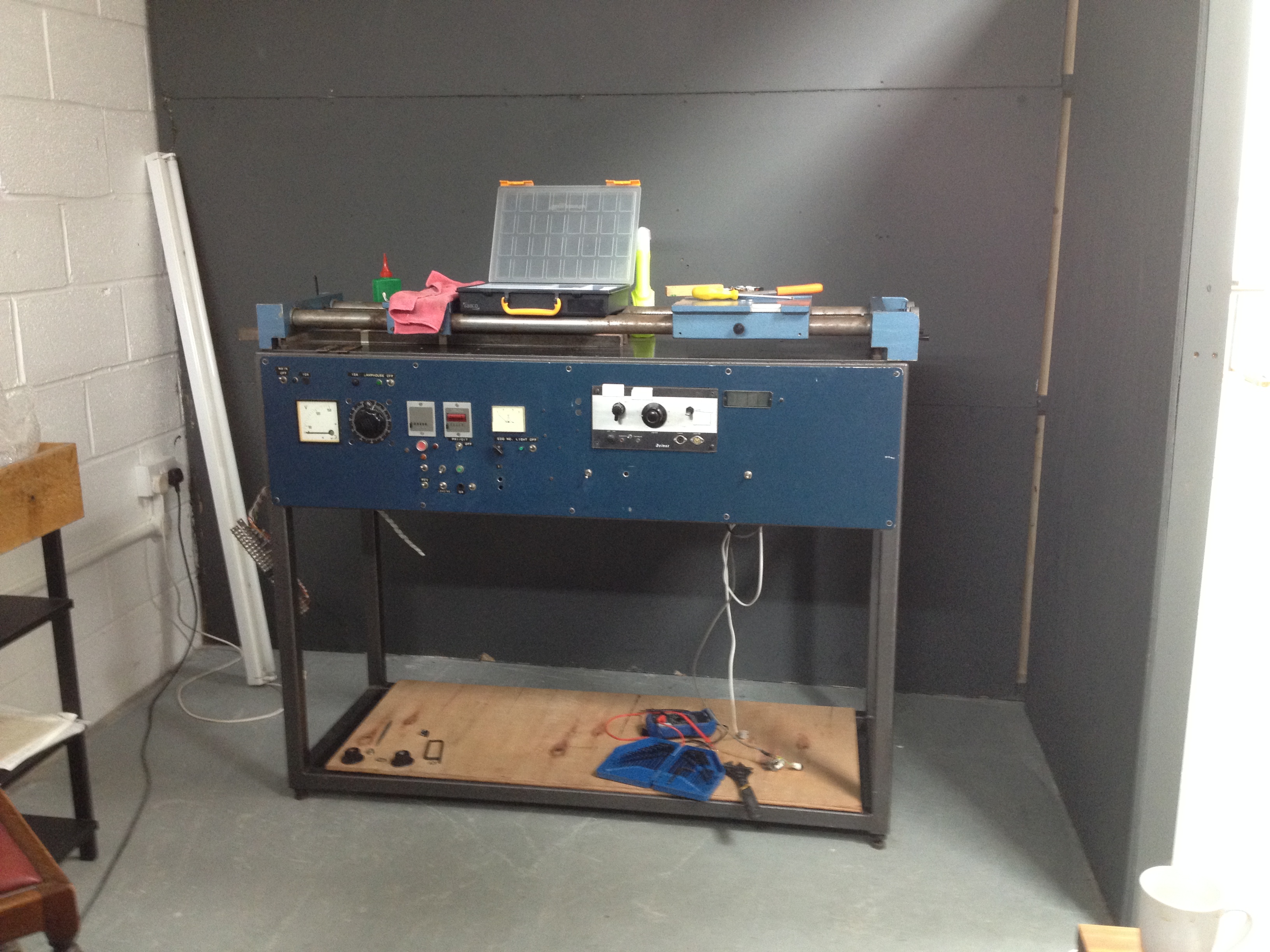
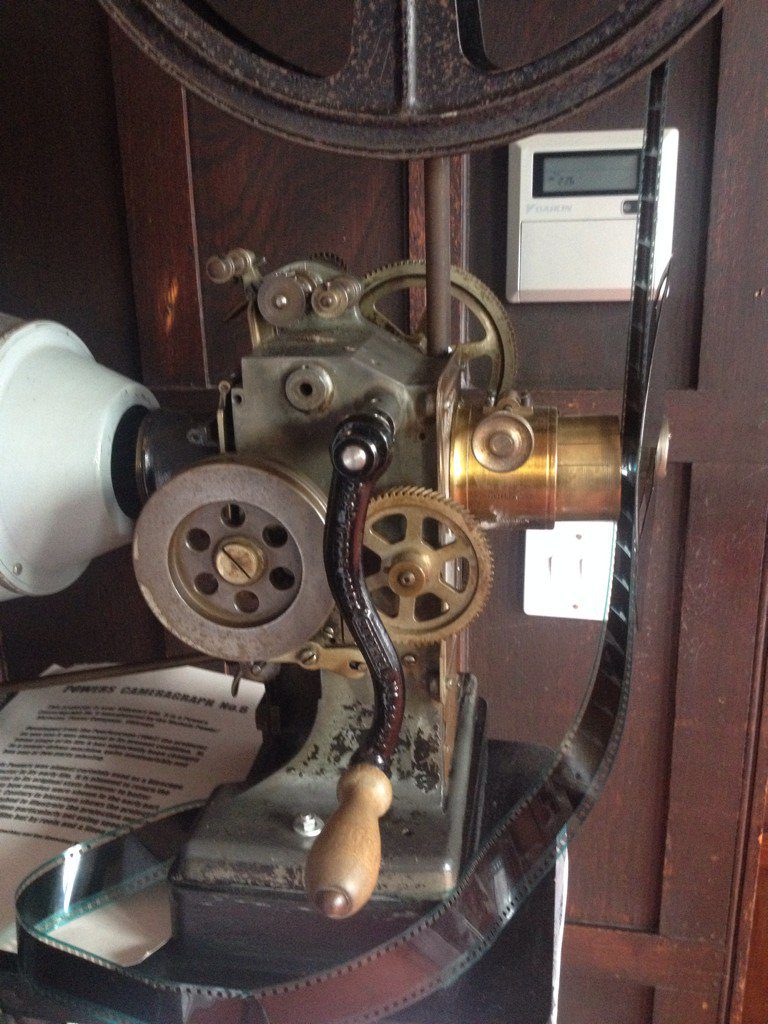
I’m really excited about getting hands on with the Curzon Cinema’s (in Clevedon, England) fine collection of projectors and other Cinema apparatus. I first contacted them in 2011 about my idea of doing an ‘Artists Residency’ IN the collection to explore creative projects, repurposings, workshops, events and experiments that all utilise and respond in some way to the objects moving image functions.
Here’s a very nice hand powered 35mm projector that I am going to check over get fully working along with about 3 others.
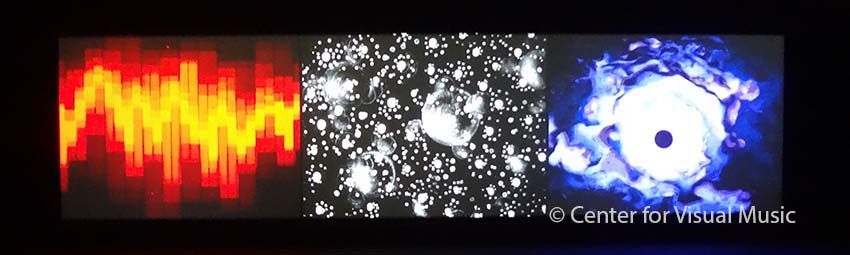
Id like to make something in the mould of Oskar Fischingers 1926 Raumlichtkunst but with hand cranked machines and historic gel colours.
CUBE ARCHIVE
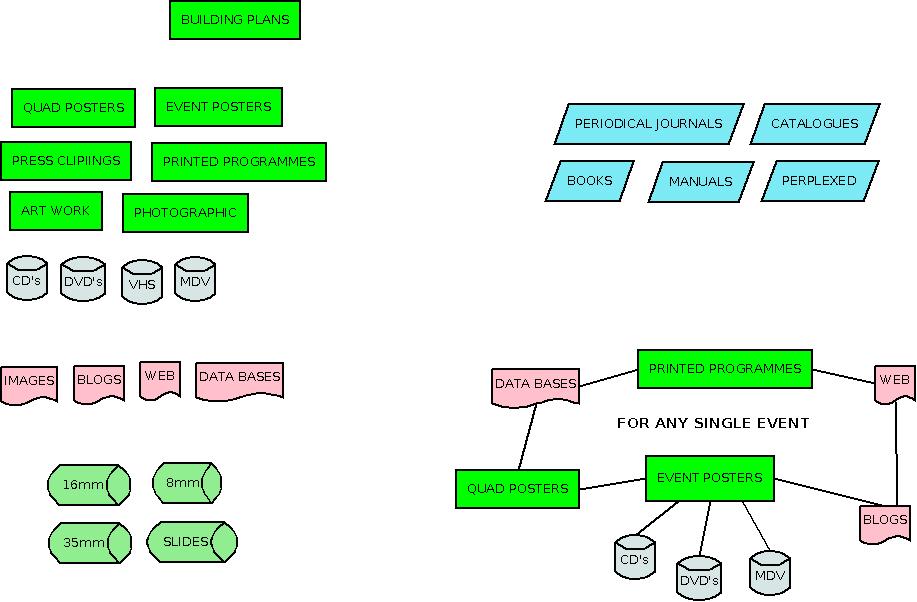
This is a framework for developing an ARCHIVE at the Cube Cinema.
This diagram shows different classes of unique ‘objects’ that all connect to the Cube, represent or document it or are just part of its hosted collection.
Green oblongs are paper/print based objects. Programmes, posters, flyers, etc.
Blue Trapezoids are bound books and periodicals, magazines and books.
Pale blue drums are media carrying recordings in different mediums; video, audio, etc .
Pink sheets are Data based web blogs, photos, websites.
Pale green drums are analogue film materials, 16mm, 35mm etc.
For any one single ‘event’ there may exist multiple objects.
The next task is to develop a cataloging system or find a BIN big enough to throw it all into :)
Seems like a good moment to make some documentation of club rombus. Ill make a static page then add to it. Of course all these links really do is gravitate back to the Cube. For Rombus I’m going to have to dig into the paper, fax, photocopy archives. How did we manage before the www? Well we didn’t have a spellchecker!
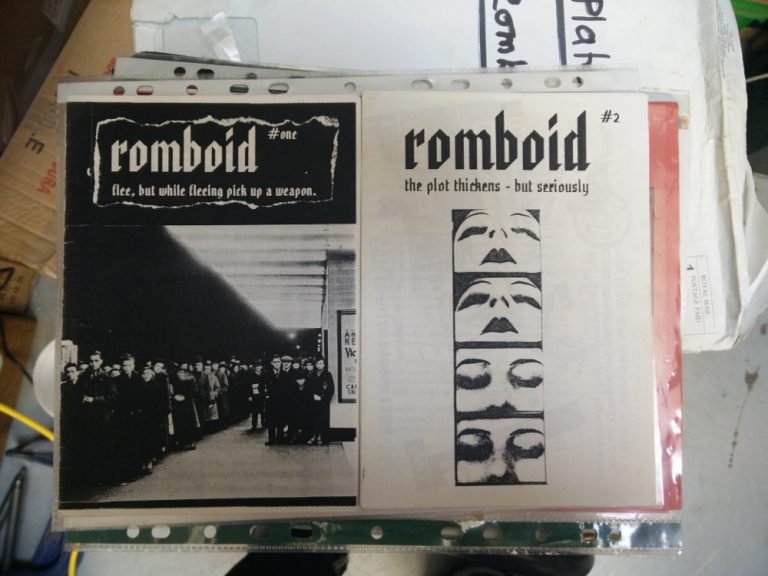
Heres th covers of Romboid, the ‘zine’ programme / info pamplets we made. All on a photocopier of course. I can scan them and make PDFs of each one, we only did 2!
Various quick online search results:
http://www.variant.org.uk/16texts/Cube_culture.html
https://www.facebook.com/events/883827138367779/
http://www.bristol247.com/channel/culture/film/features/a-brief-history-of-the-cube
http://www.hijackbristol.co.uk/board/the-forum/club-rombus/?wap2
http://openbuildings.com/buildings/cube-microplex-profile-11049
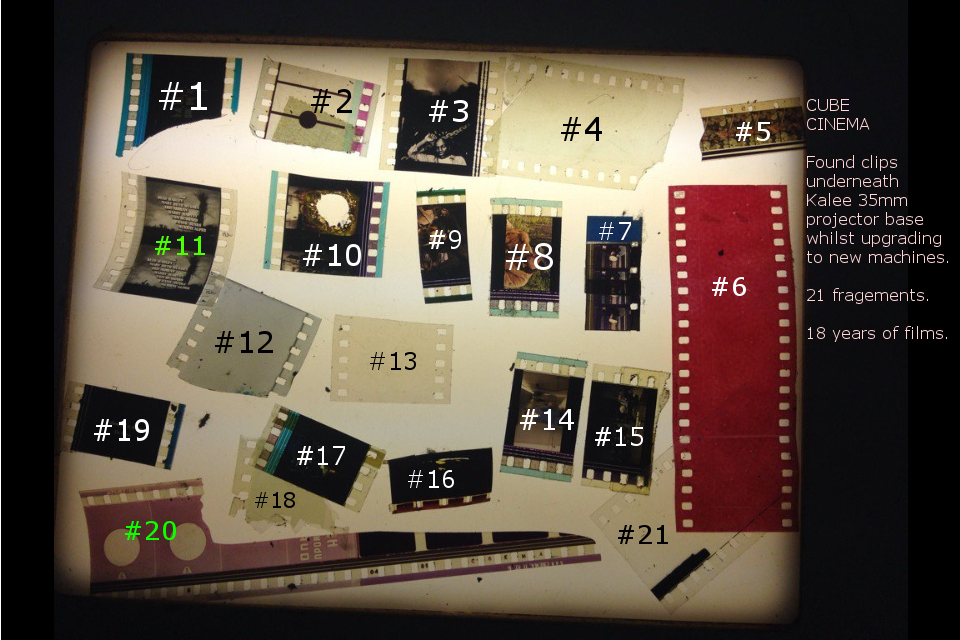
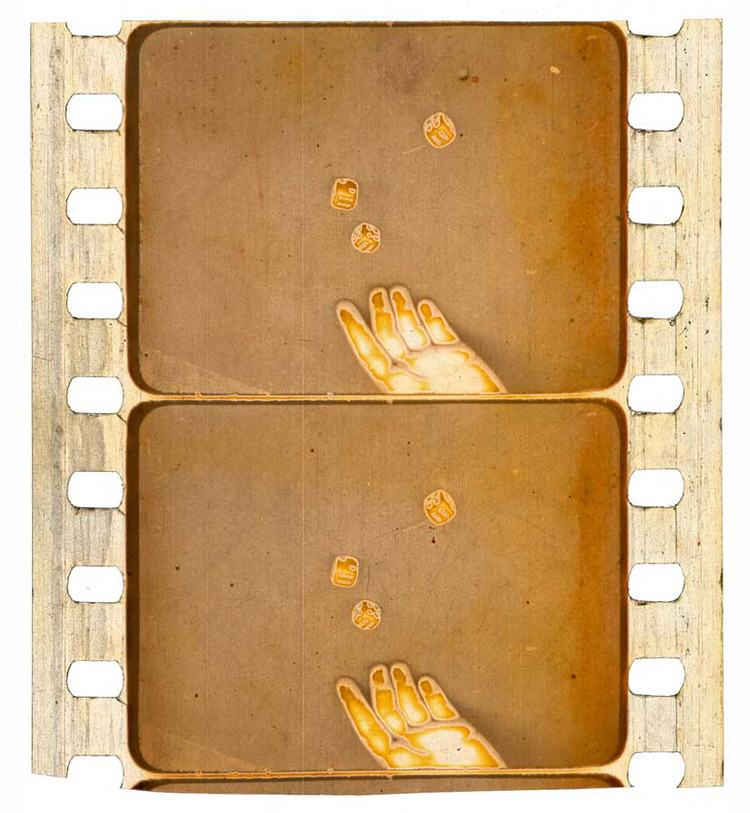
Frames found under the pedastol of the Kalee21 projector we have been using at the Cube Cinema since 1998 that was recently retired to make way for some modern machines. For an 18 year period I thought this small sample of wasted, discarded, lost or just dropped frames would make a good Archeo-Cube project. So I am going to scan them and via a video timeline, attempt to place them historically and culturally within our history (the Cube Cinema) but also within the wider context of cinema and the changes that have taken place over the span of the samples.
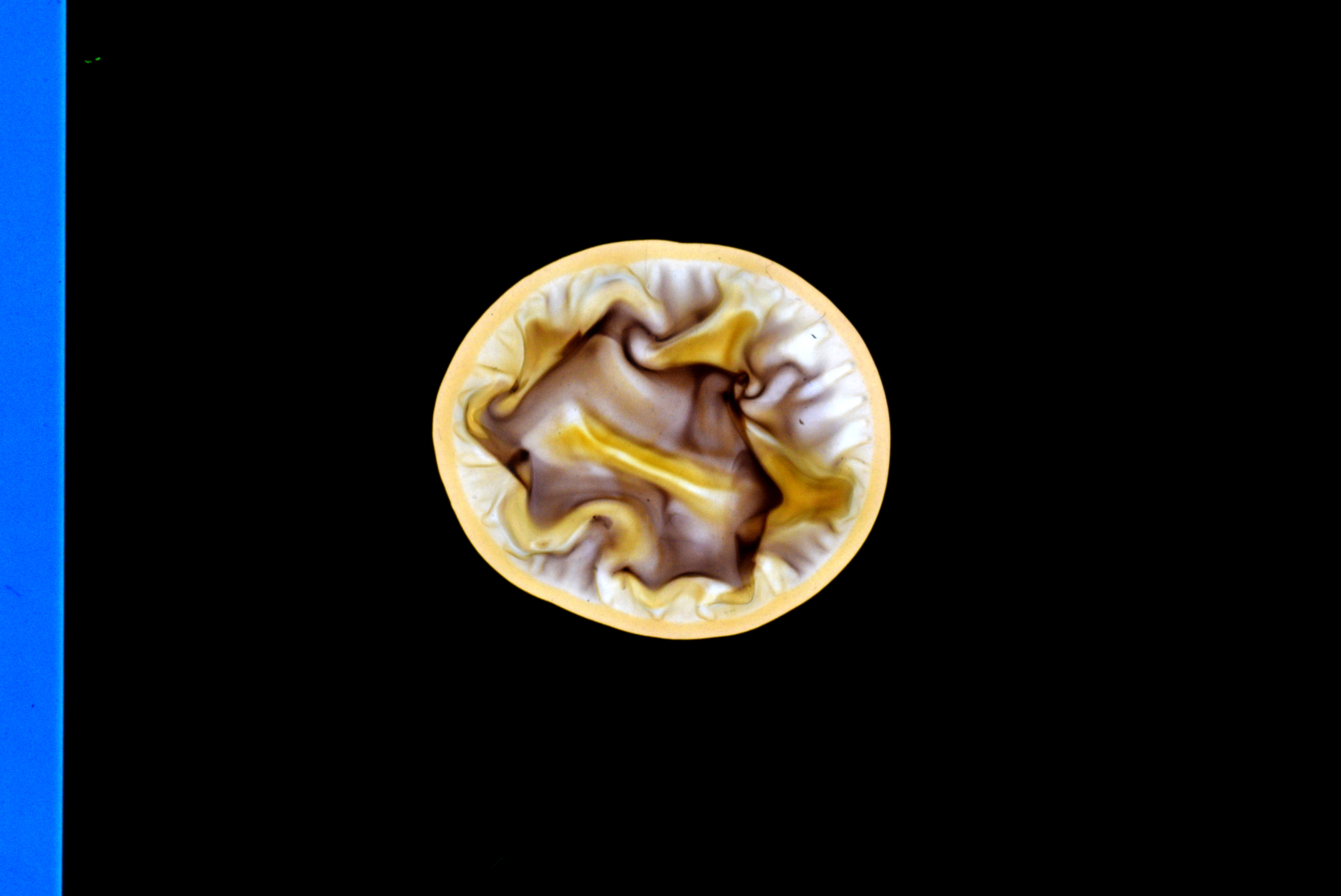
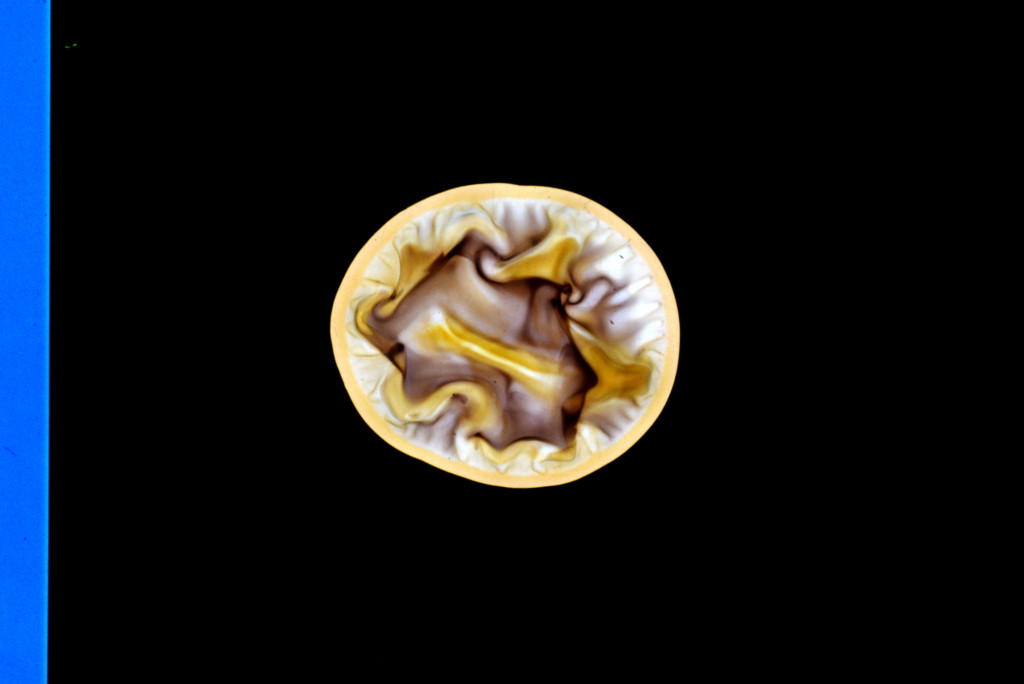
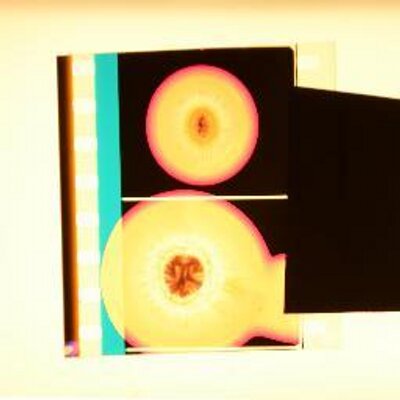
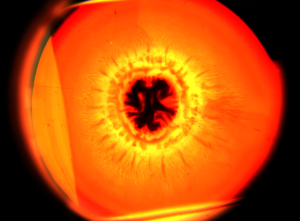
I’ve been doing more tests with film surface distress and a better set up to rephotograph. This frame shows the effect after only minutes exposure to the distressing agent. The circular area is about 5mm in diameter.
I’m asking people this question. Seeking peoples definitions in simple terms. Here I will compile the answers. If this question was “what is A cinema” we would get answers that only relate to he institution of a building and its use and this would weight the enquiry too much in one (predicatable) direction.
James Reed “Film based projection” (he was biased, I’d just summarised what I was up to).
See this for further practical reasons for thinking that film based projection is the ontological basis of ‘Cinema’.
http://www.filmadvocacy.org/2014/05/14/projection-the-politics-of-passivity/
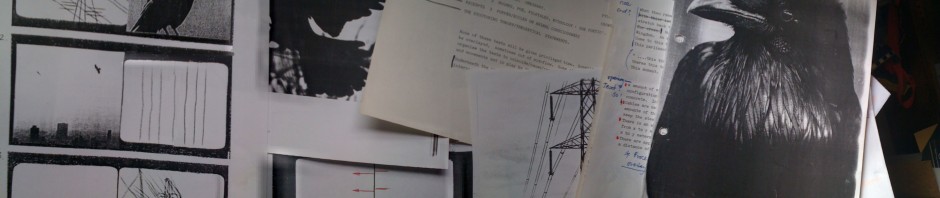
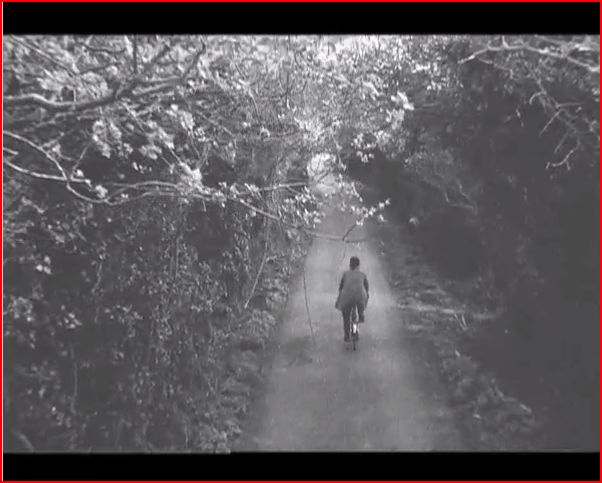
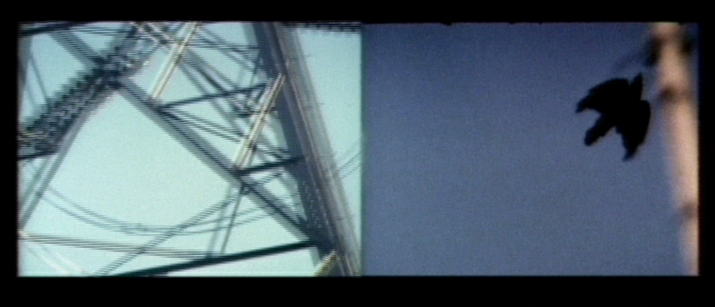
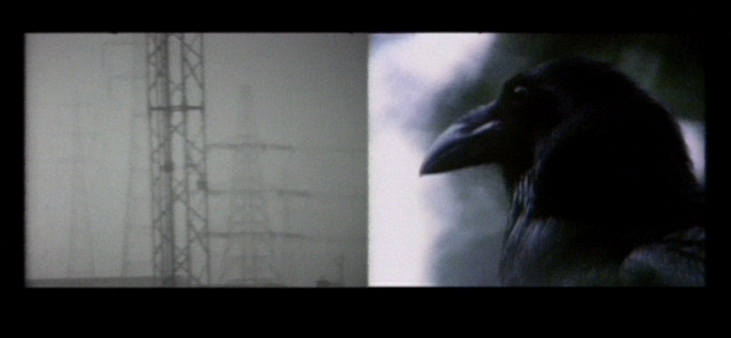
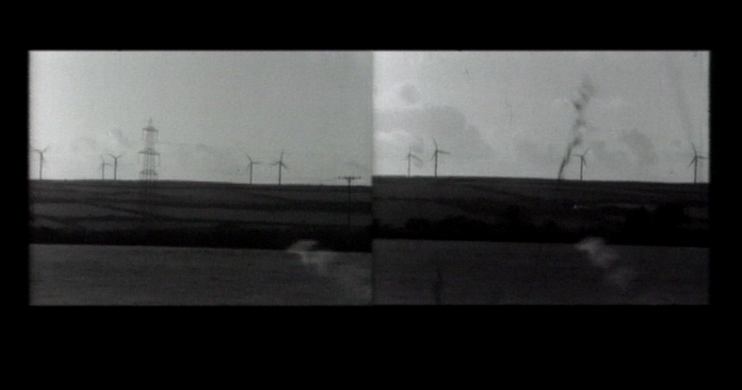
After 17 years I finally got my 1996 film Crow / Pylon Configuration digitised. It is going to be screened at Kino-Im-Sprengel In Hannover next week. Here are some frame grabs. Back in 96 there was only Standard definition. Now though HD has really helped the case for film because I can scan the original A and B rolls of super8 and it will look ‘pretty awesome’. The sound really holds up.
I’m getting it translated into German but this is proving difficult. They don’t appear to have the flexibility in language to make space for the absurd or ridiculous, or the grammatical willingness to speak what is impossible or non-sensical. Any decent French or Spanish tranlsators out there email me.
If you could be bothered, with all the pressing demands of modern life you can watch it all here. https://www.nachleben.org.uk/skomer/crow-pylon-configuration/
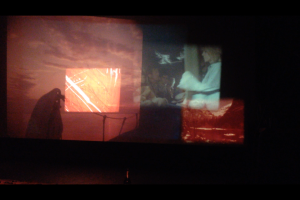
Did the 4th Film Jam at the Cube Cinema on Saturday as part of the Hendo nights that go on there.
We last did film jams over 12 – 14 years ago back in the early days of the Cube. Mega thanks to Rod Maclachlan for coming and jamming.
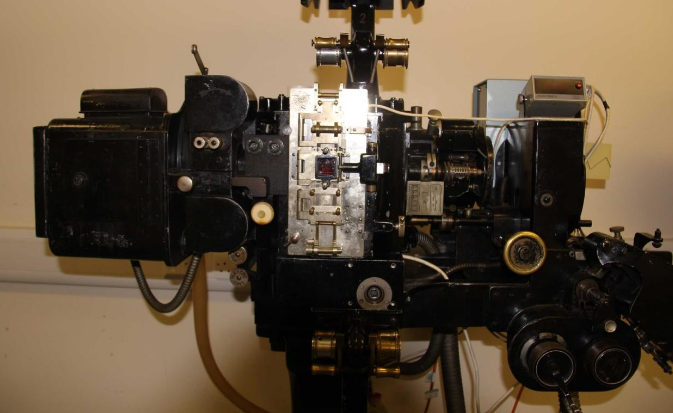
Extremely pleased to be offered the Imperial War Museums Debrie 35mm step printer.
This machine was built in the 1930’s and has been used by IWM to transfer all their Nitrate films to safety film.
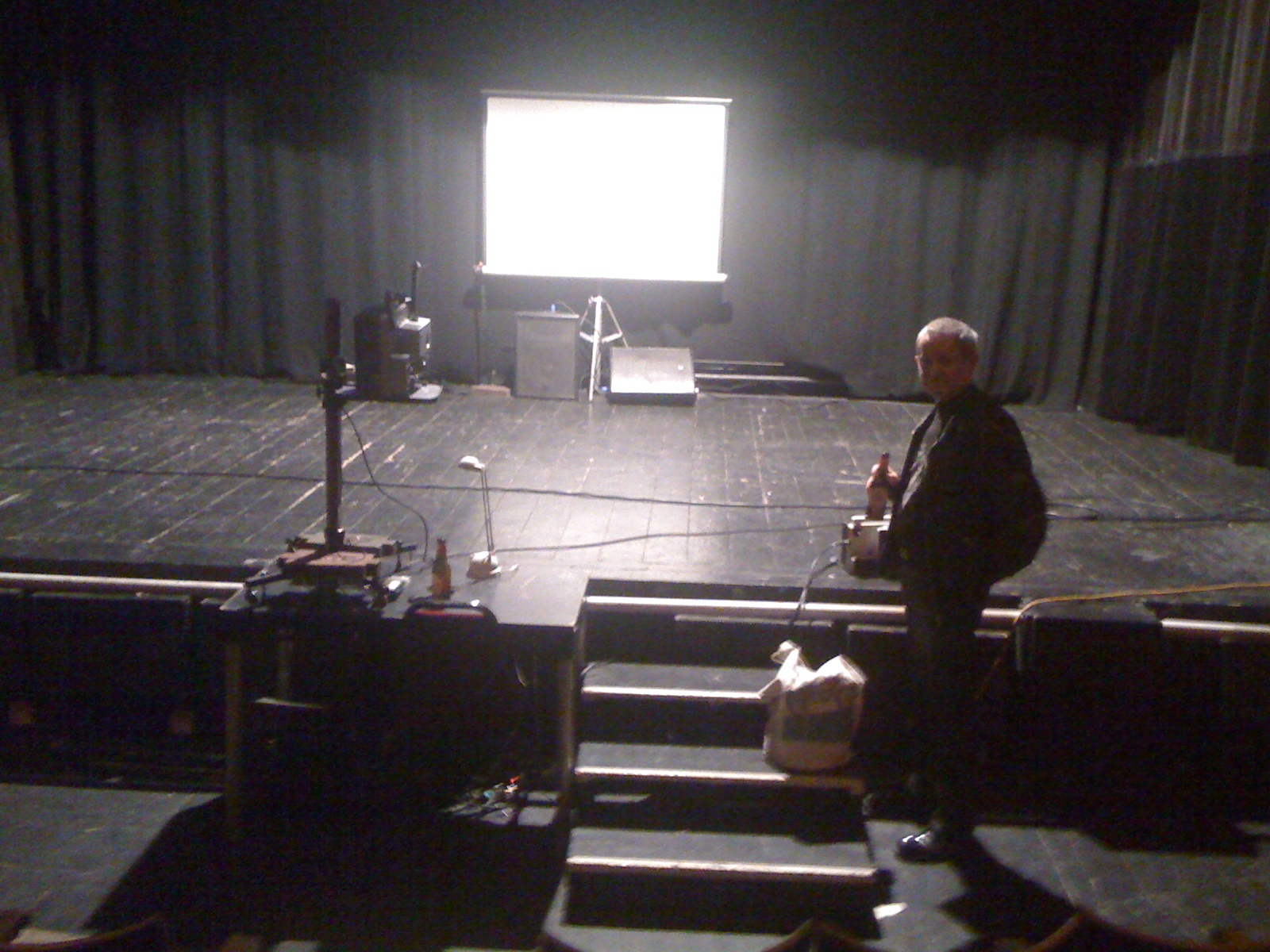
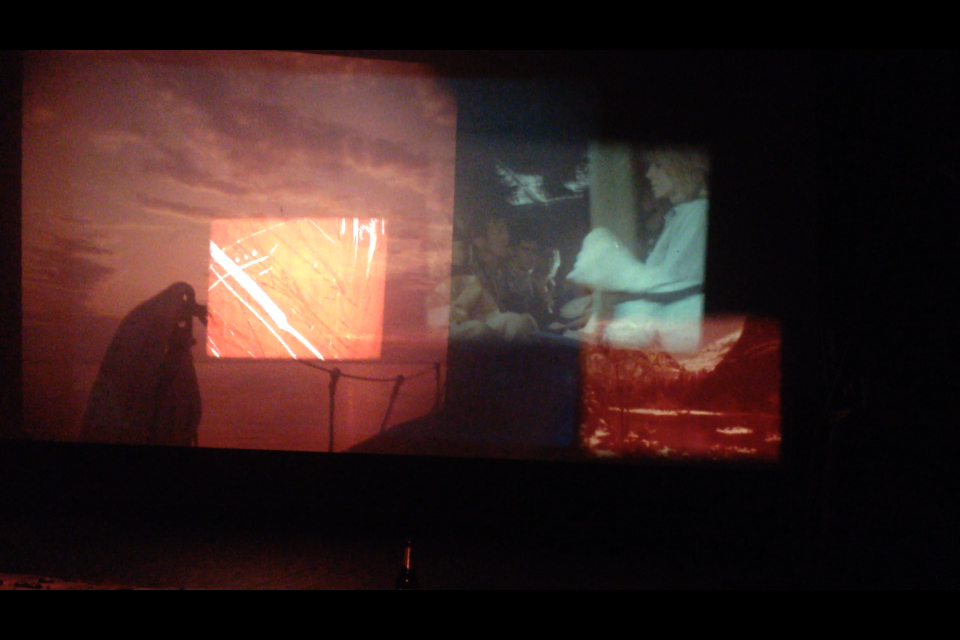
Heres the light show as we ended up setting it up. On several tables infront of the stage, effectively as the front row. Operating the OHPs meant standing up and this probably caused some obstruction to visibility for some of the audience. At the bottom left of the picture is the 16mm modified to hand cranked which featured in the track known as ‘Environments’ alongside James manipulation of acid soaked slides through various glass lenses, prisms and mirrored devices.
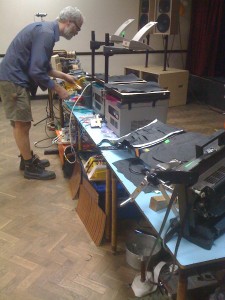
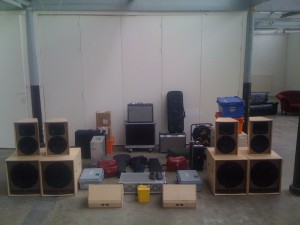
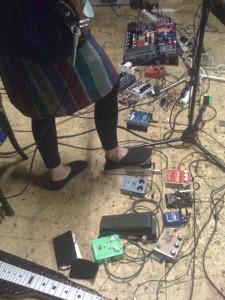
Holding up in woodbridge at the half way mark for the tour. Its been impossible to blog because of time restraints, internet scarcity and mammoth workload and show schedule.
I can offer here but a mere sample of this tour in photo form. Its been an amazing journey so far, mentally, emotionally, phsyically, creatively. Erica, Matt and Tall have been awesome.
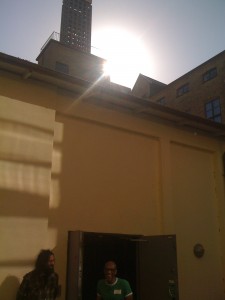
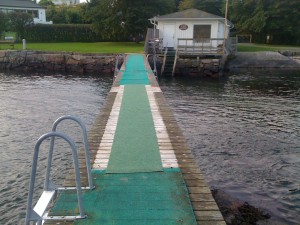
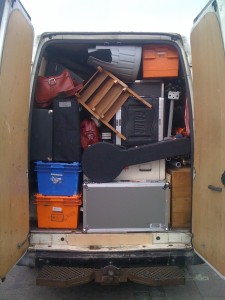
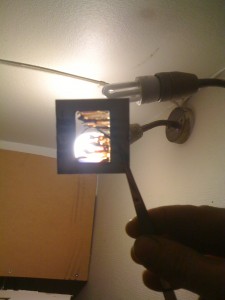
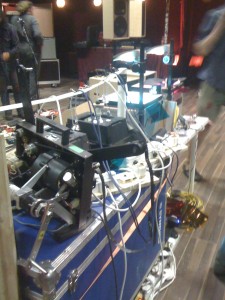
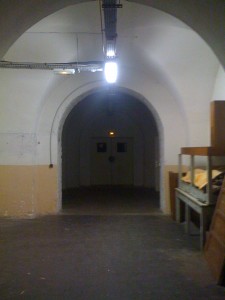
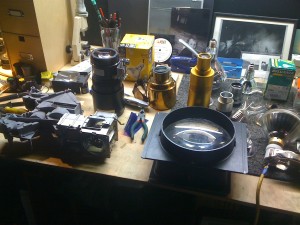
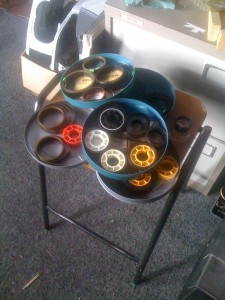
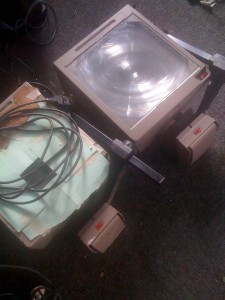
Here are some images of stuff in studio in preparation for the MV / EE tour which we start next week. I will be posting blogs for each show hopefully.
Our basic set-up consists of 4 x kodak 35mm slide projectors on dimmers, 2 Epidiascopes using various lights/lamps as projections, a prism beam splitter and prism (in reverse), 2 OHP projectors using various water trays & foil effects, 16mm projectors both hand cranked and on dimmers, special ACID slide machines and various light and shadow mechanisms.
Here are some frame grabs from Esther Campbells film working of a James Blackshaw track. Was shot on an Arri for first 2 days, then I used a Bolex on the last day. I will post a link to the finished piece when its available. Really happy with the results especially this shot where we crane down from high in the trees, using Talls great heath-robinson crane following Esthers mum, shot at 64fps. The footage was telecined off the neg and its a shame we couldnt see a transfer of print stock.
Recently went to Cinema Nova in Bruxells. Been waiting to see this place for ten years. They were hosting a Kino Climates meeting and it was a great event with lots of meetings, dialogue, screenings and socialising.
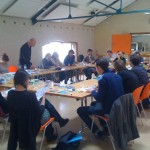
The Kino Climates network has great potential. One thing I will be pushing now is proclaiming a ‘CELLULOID’ movement to foreground the deliberate and explicit use of Film presentation in Cinematic events. In a non-malicious way I want to divide the network in order to first gauge how important this aspect is as a common ground.
Is there a movement towards more Film presentation for instance in organisation playing off digital and electronic formats?
What is the essential meaning in adherence to celluloid as a material for presenting moving image works?
‘Phantom Walls’ was the title of a piece of work I made for the gallery space run as part of my old studio building on Lower Stokes Croft.
The finished installation consisted of Sculptural element, sound playback and low frequency presence.
The darkened room provided an ideal setting and a false wall behind which to install the CD and cross-over electronics as well as the sub bass cabinet and tone machine.
Named ‘Phantom Walls’ after a book by Oliver Lodge, one credited inventor of the moving coil speaker, the looping voice is a recording from 1966 of a medium channeling Oliver Lodge.
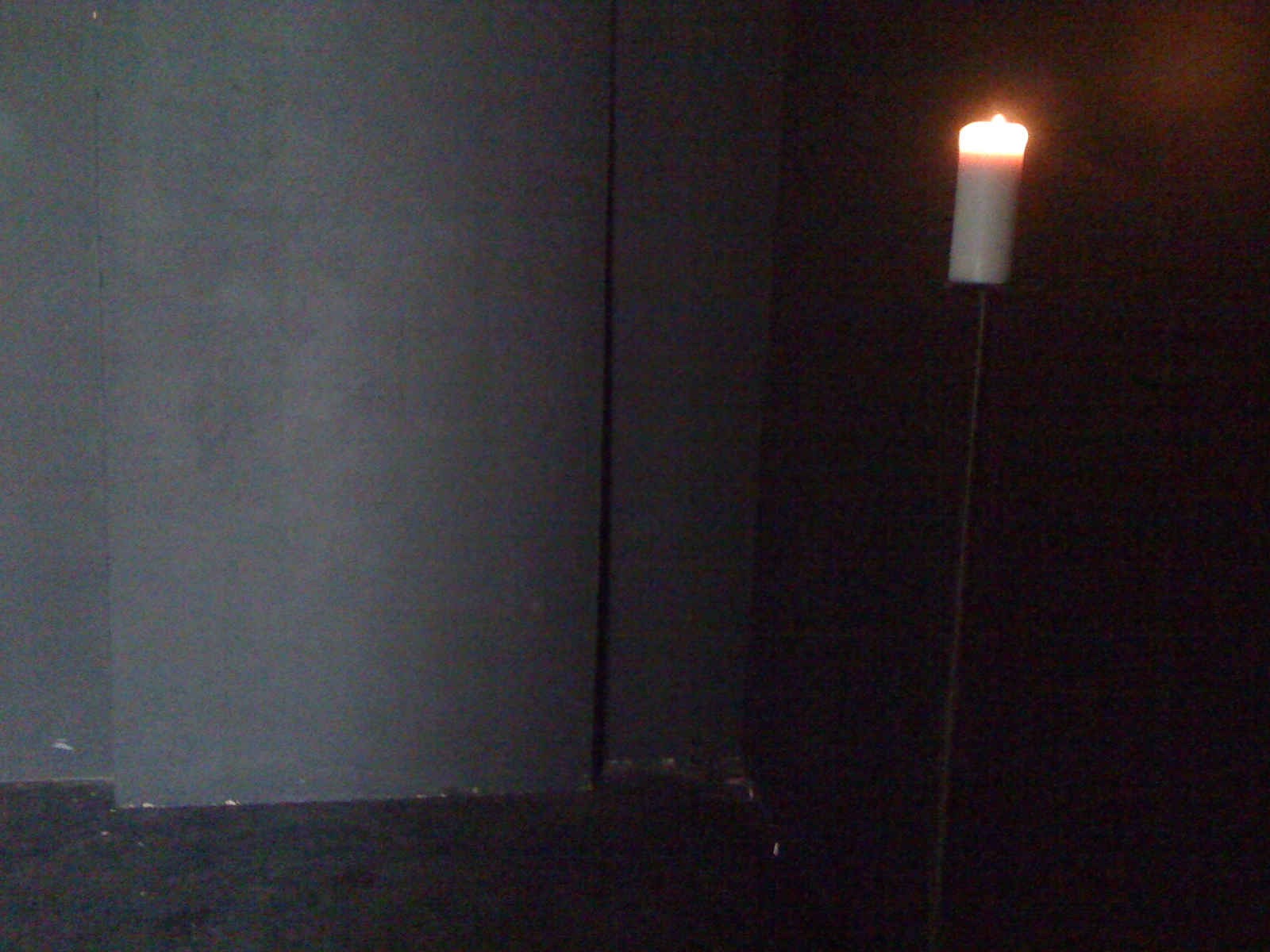
The 3 cell horn mounted on the industrial tripod forming the main sculptural part is aimed at a candle at an angle which produces the illusion that the candle is talking. The above recording is in fact playing back through the driver and horn.
The bass sine wave produced a tone around 35hz which was selected as it was found to be the basic resonant frequency of the space. Low frequency hums and tones have been associated with reportings of the paranormal and ghosts, etc.
Several cancellation spots resulted from this set-up. The most auspicious being between the candle and speaker. If you walked around the space the bass fills the room and the voice recording appears to be coming from the candle.
When you find yourself standing between the speaker and candle and thus learn that the source is in fact the speaker as you are now proximate enough to hear it directly something else also happens.
The bass tone is cancelled out and becomes significantly quieter. As if a moment of lucidity also produced calm and peace.
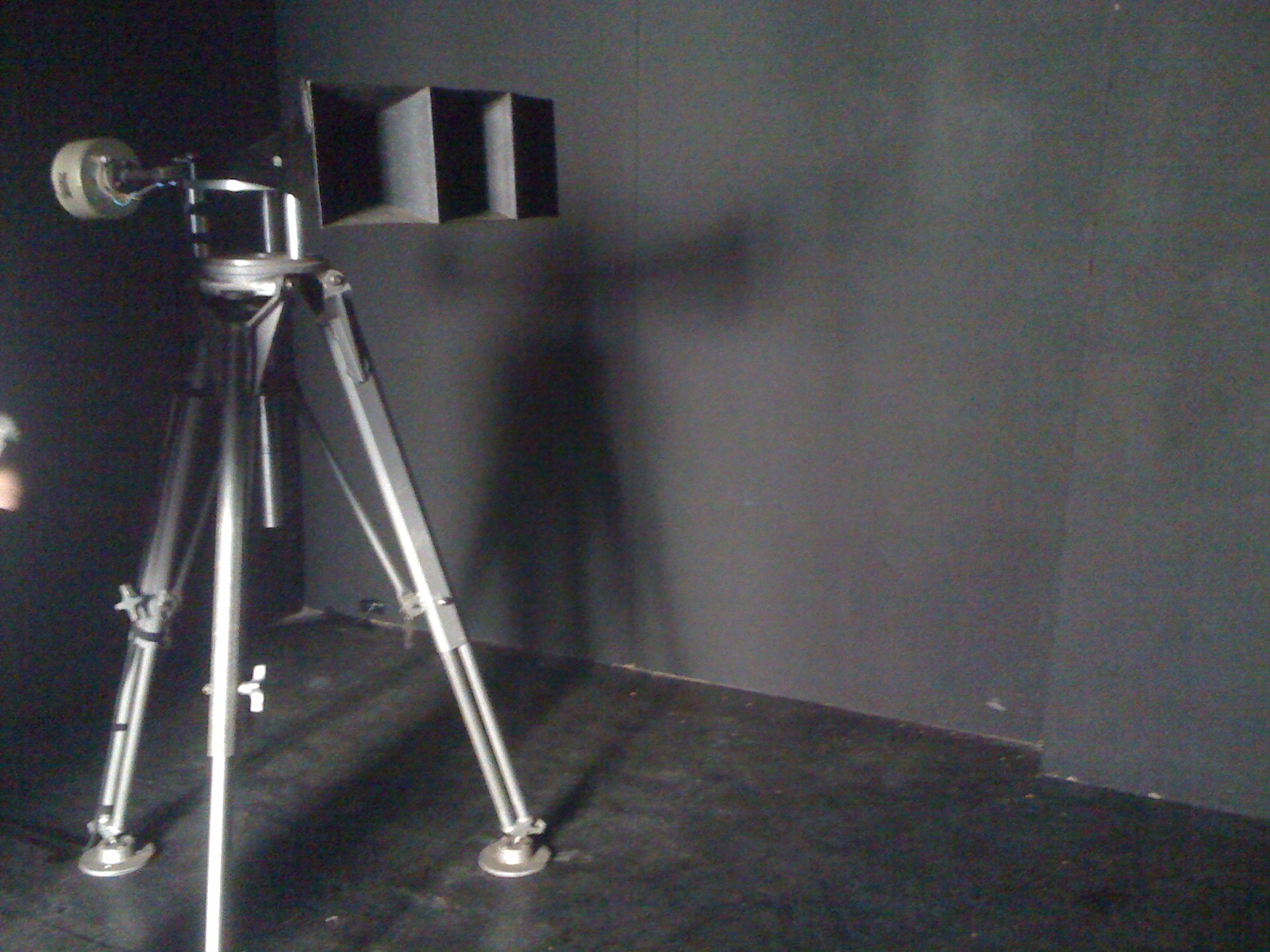
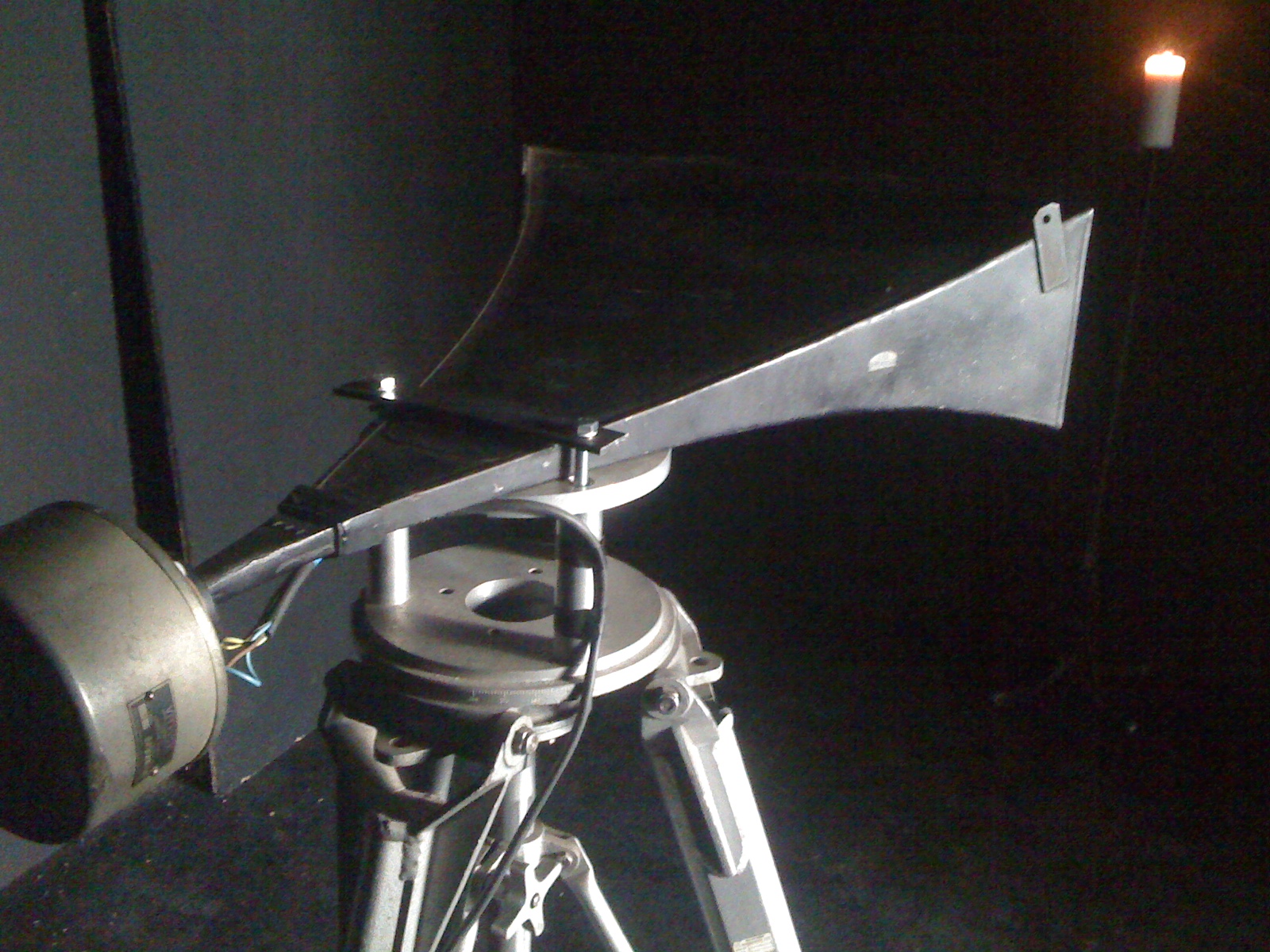
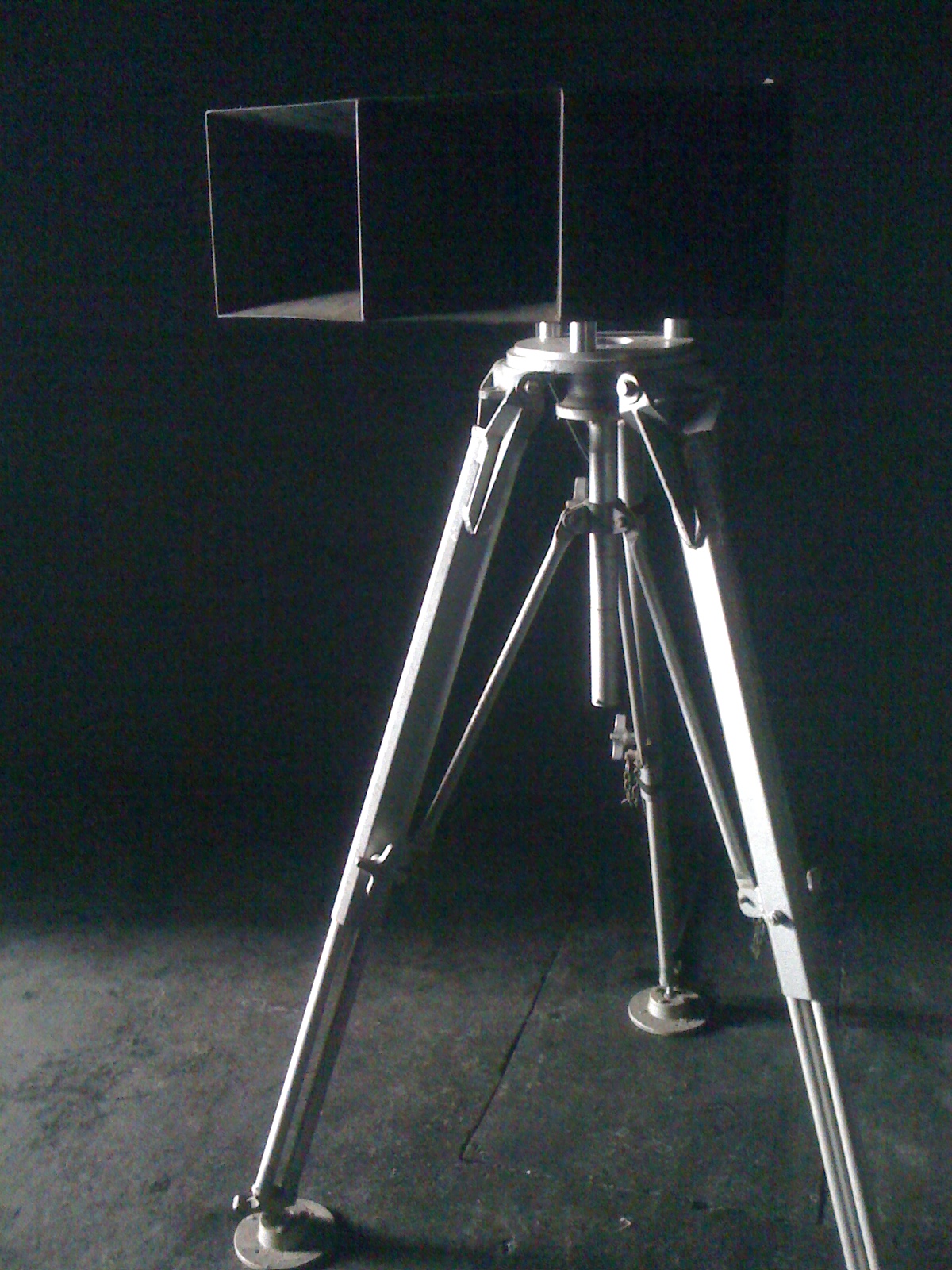
Im preparing for an exhibition at the Backside Space in the motorcycle showroom. The space is a blackened room with no light. I have been preparing a vintage Vitavox N-series compression driver and a square 3 cell horn and along with a large set of legs for a 35mm camera these will constitute the sculptural parts of the sonic work.
The show is on Friday 23rd March, BacksideBlackHole, 15-19 Stokes Croft. 7pm-10pm.
This is the kit I’m currently carrying with me in Haiti.
I’m here as one of a three people team from the Cube Cinema
forming the current field team for HKKP.
I’m planning on using the free time I have here to document what I can about
the people and places we see, a people struggling to rebuild their lives after
2009s devastating Earthquake.
The kit consists of:
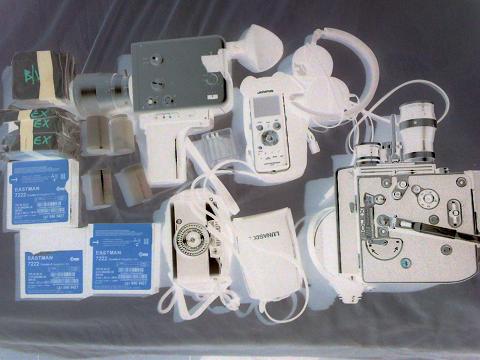
A Nizo Super 8mm, 3 rolls of Ektachrome, 2 rolls of Tri-X, an Olympus PEN 35mm half frame, 2 rolls of Fuji Neopan 100, 2 rolls of Kodak Ektar 100, an Olympus MD90 sound recorder, a lunasix light meter, a Bolex RX4, filters, 3 rolls of 7222 (Double-X).
Alltogether its quite heavy.
The plan for the PEN is to shoot turned, thus giving me an approximate landscape 35mm picture as the PEN is a half frame and affords twice as many shots per roll. These frames will then hopefully be able to be refilmed in the printer the same as rolls of 35mm motion stock.
The sound recorder means recording mediums separately and this effectively frees each medium from the other.
Heres one of two Rank Aldis 16mm portable projectors I have just acquired.
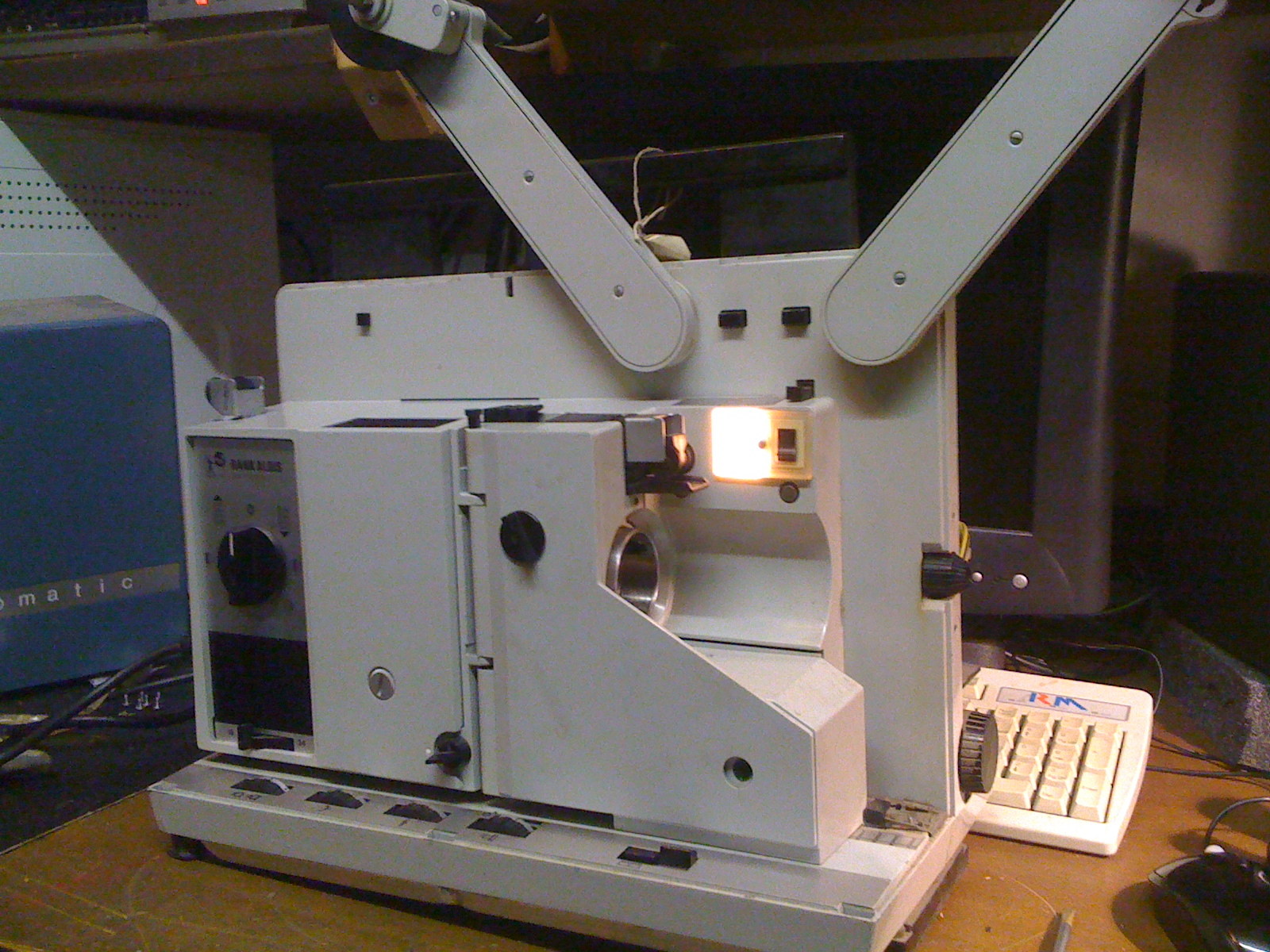
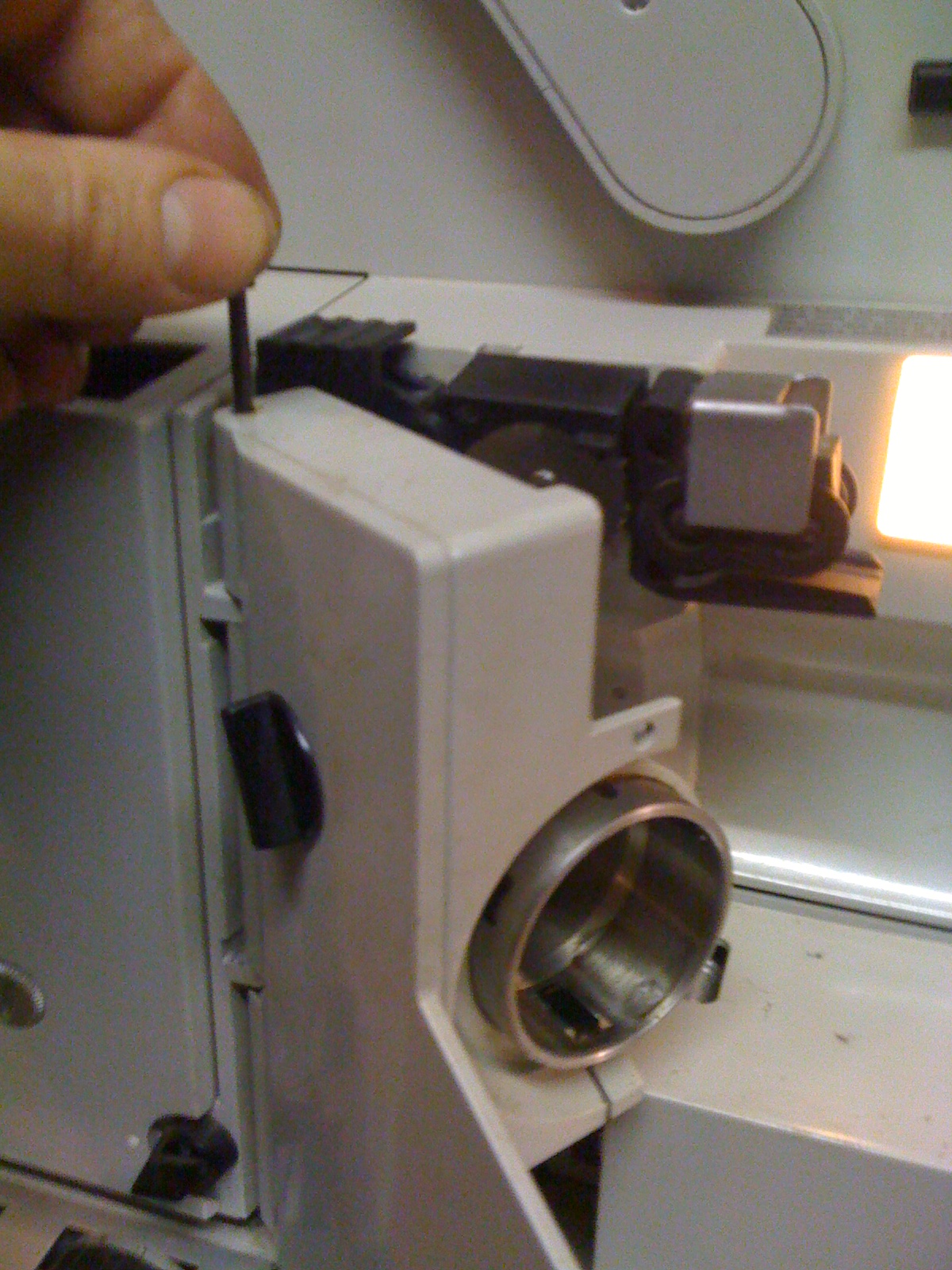
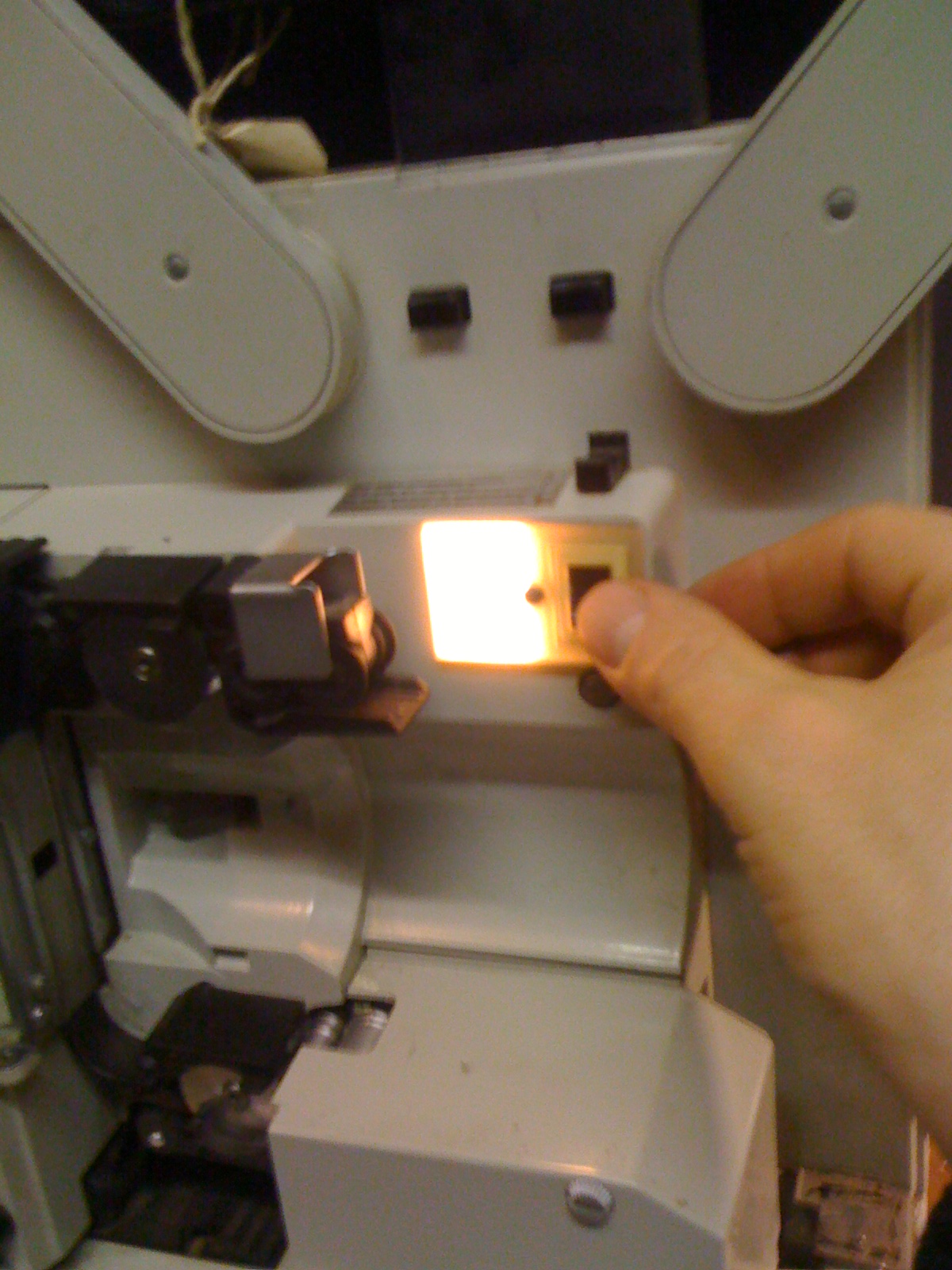
Aldis Brothers were based at Hall Green In Birmingham. The Rank Organisation bought them up in the mid 1960’s.
This machine is very nicely engineered and constructed which has inspired a film/sculpture work. Need to ascertain if they were made in Germany.
http://www.birmingham.gov.uk/historyofhallgreen
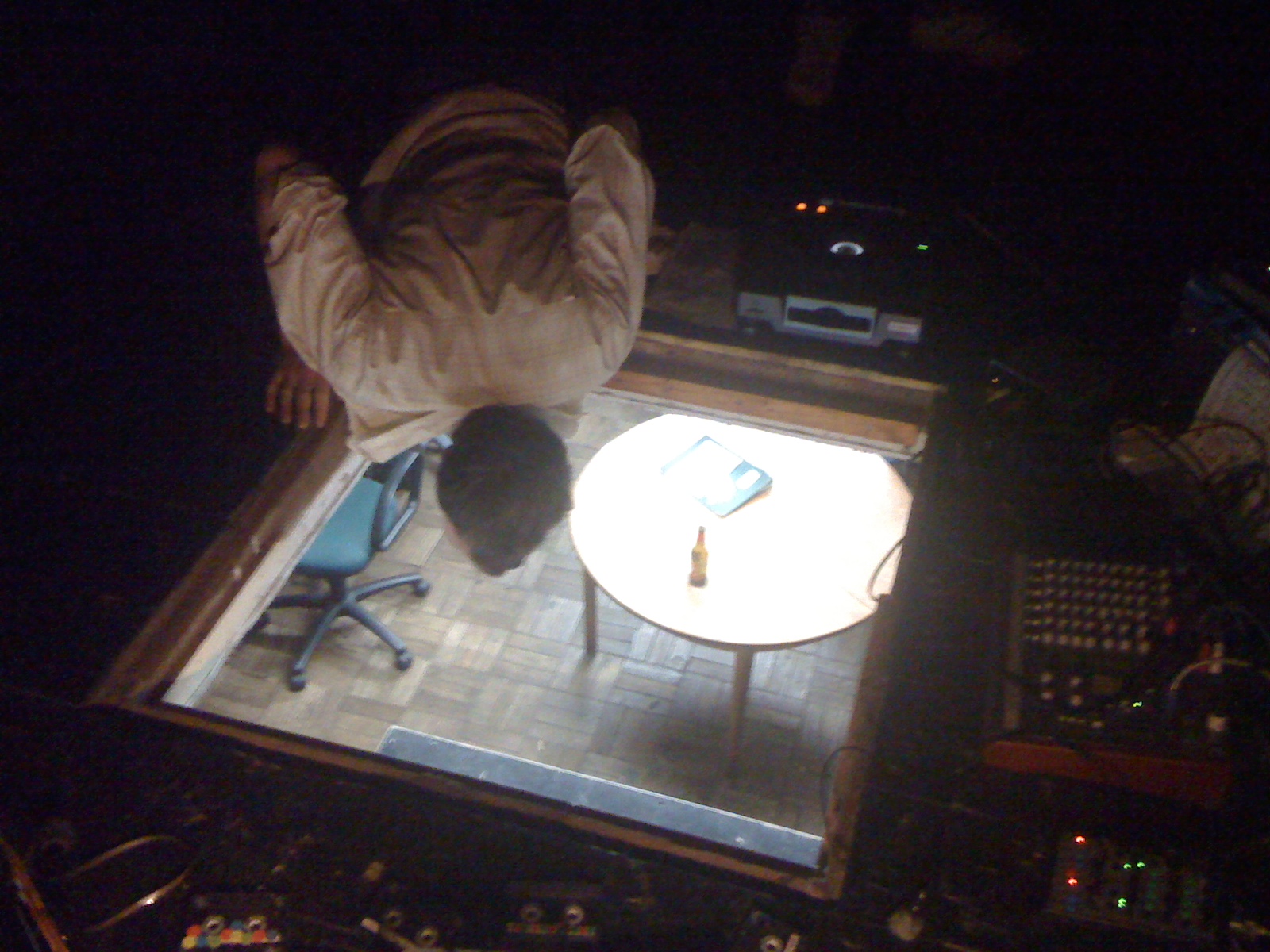
We used the trapdoor on the Cube stage for Sculpture when they played as part of Encounters Film Festival on 19th Nov.
Did Captain Zip show at the Cube using Will Pugh’s Elmo ST-1200.
Looked great and sounded great as well for the sound movies Phil had made.