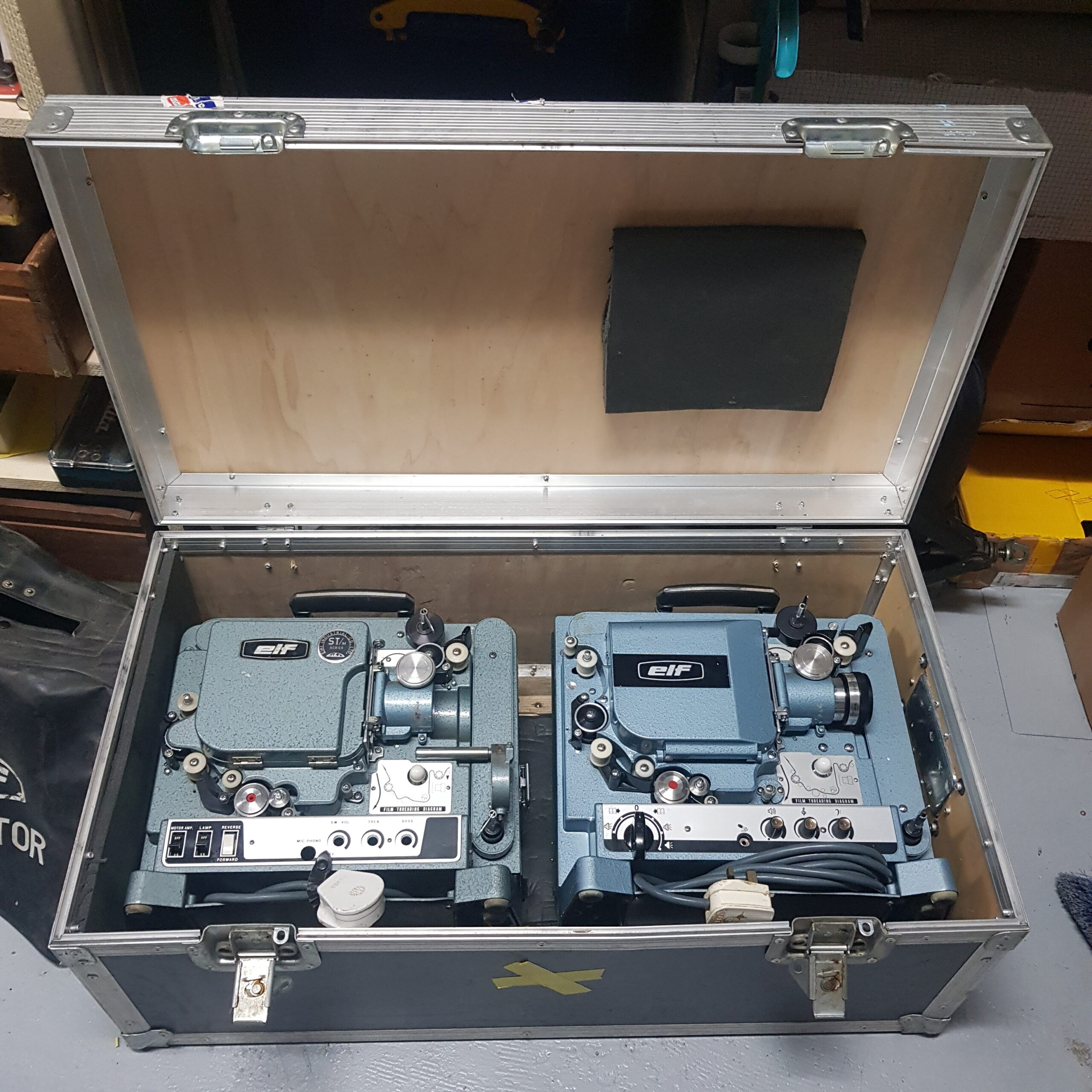
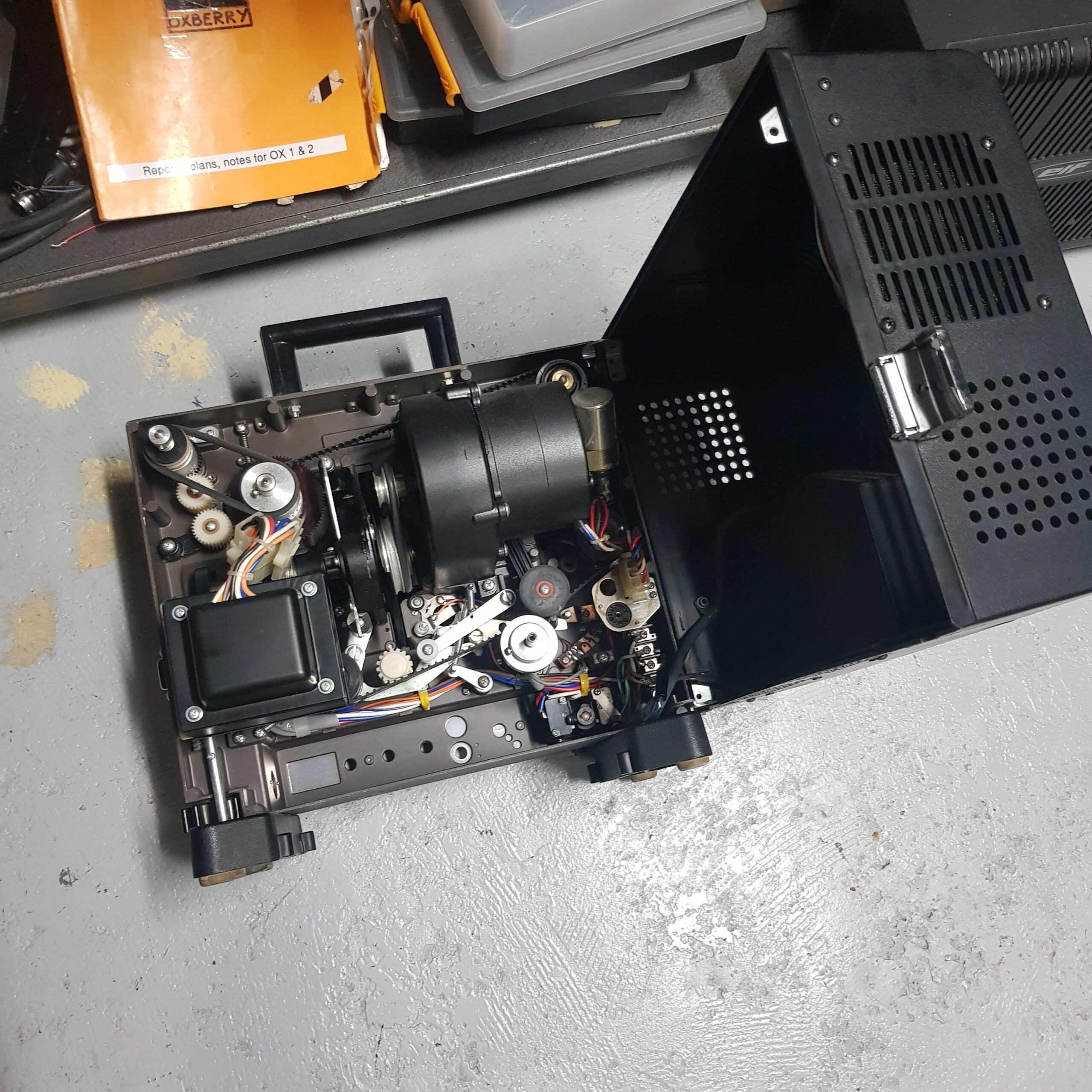
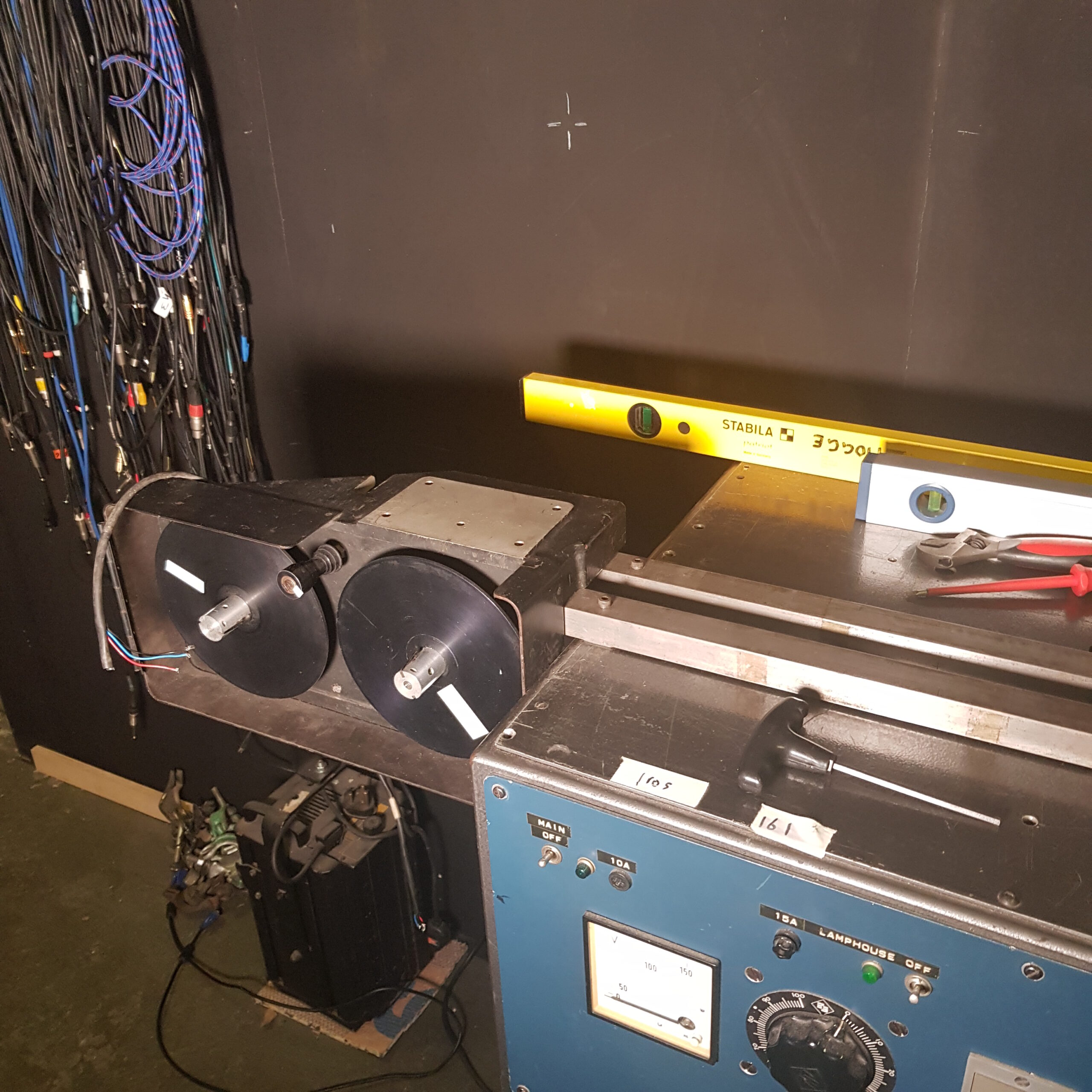
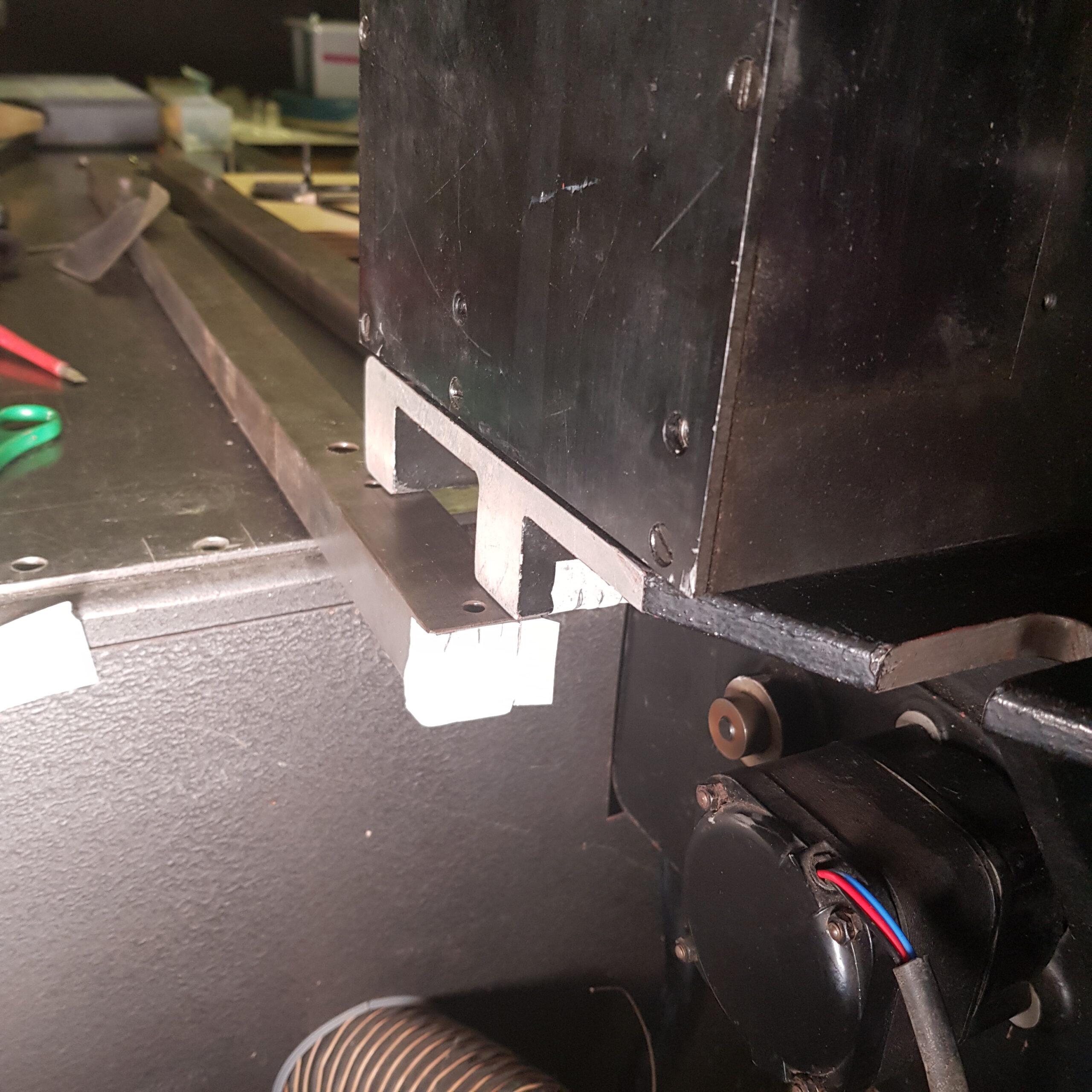
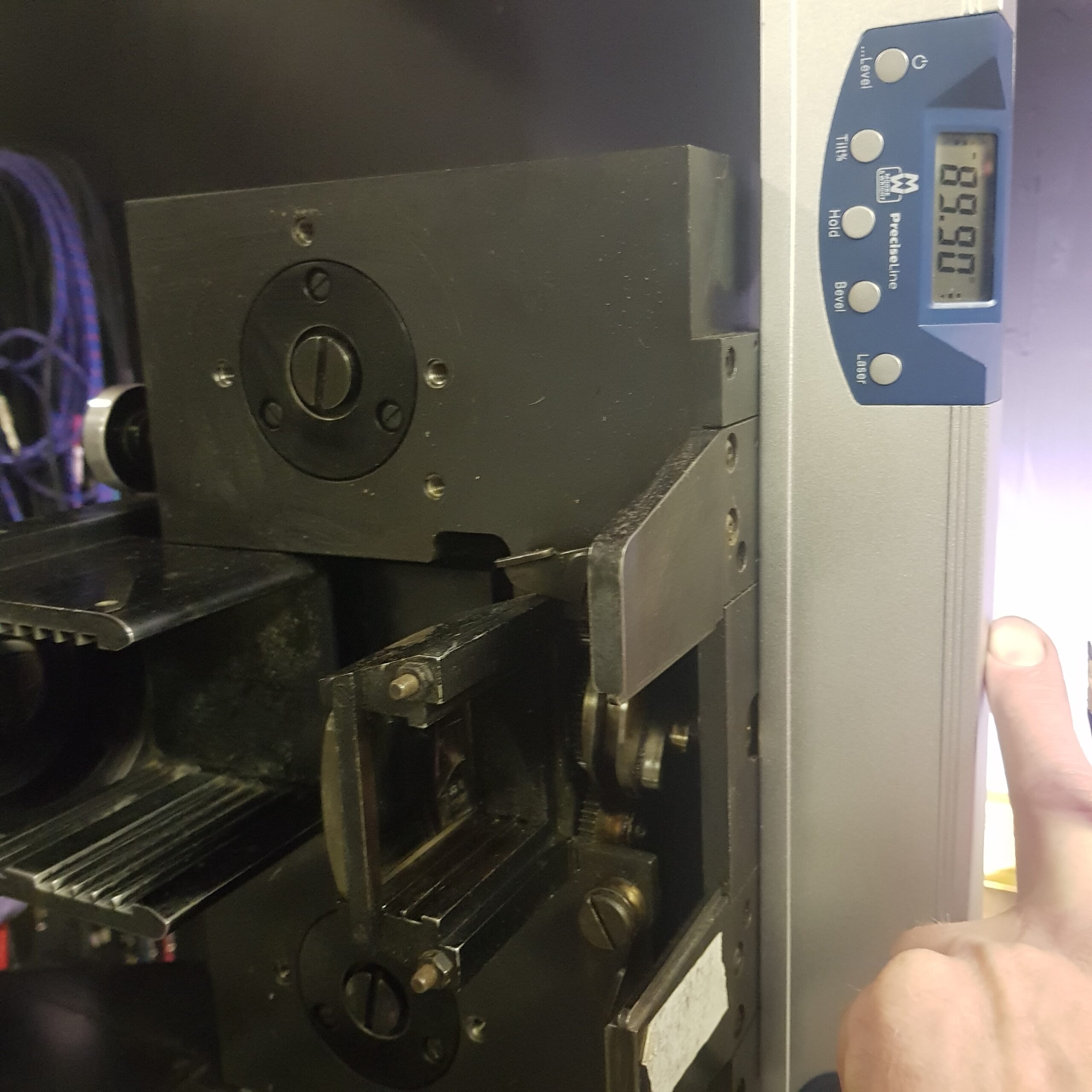
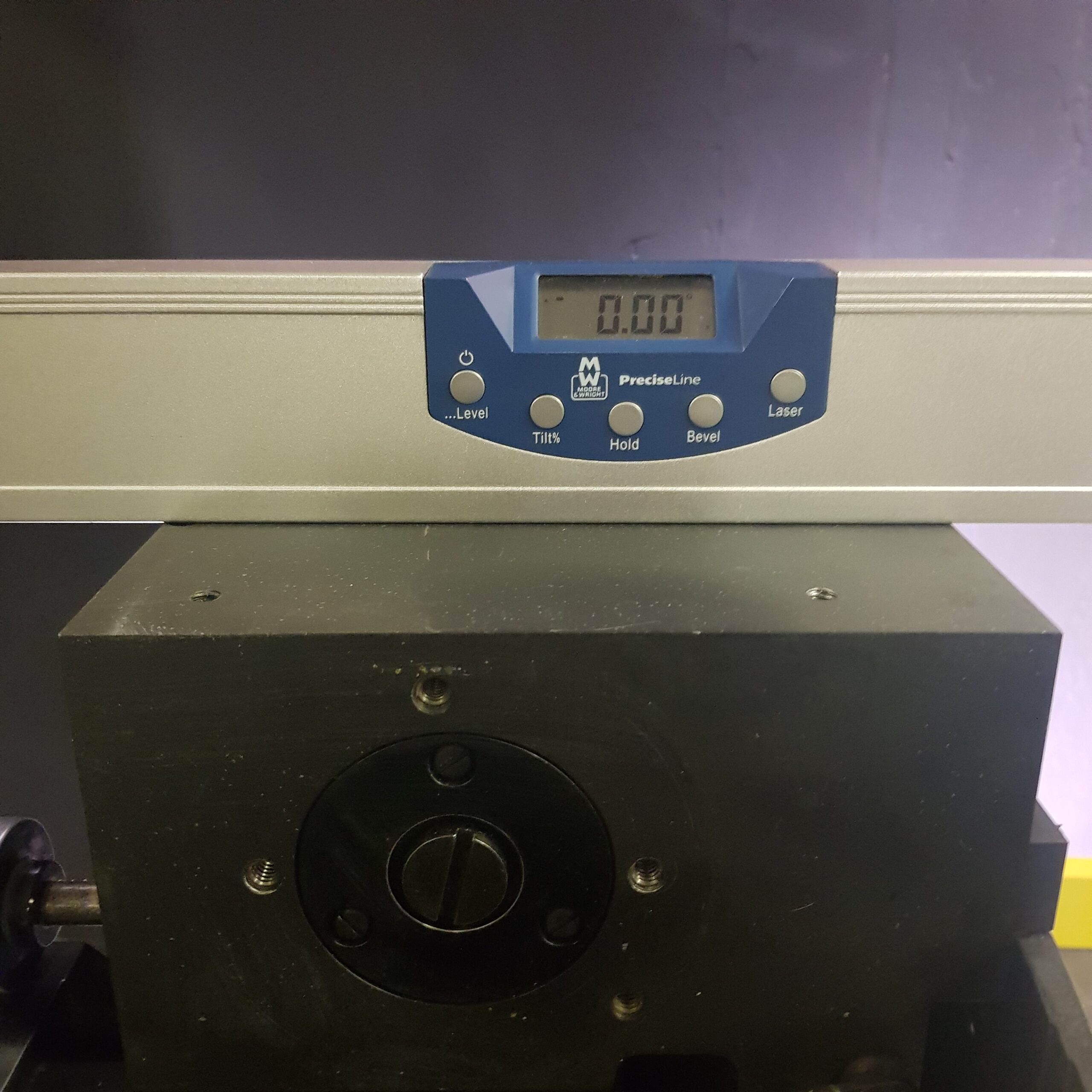
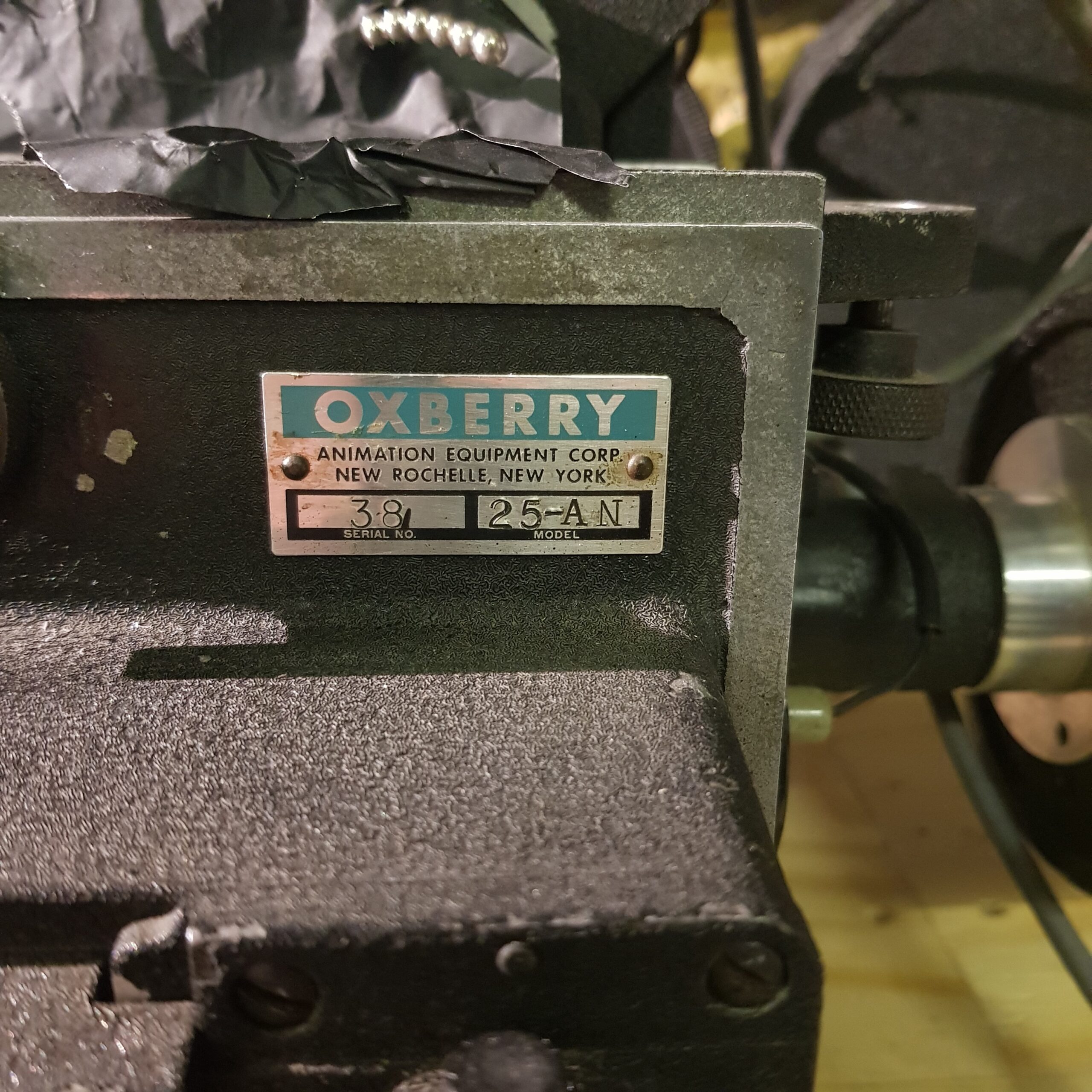
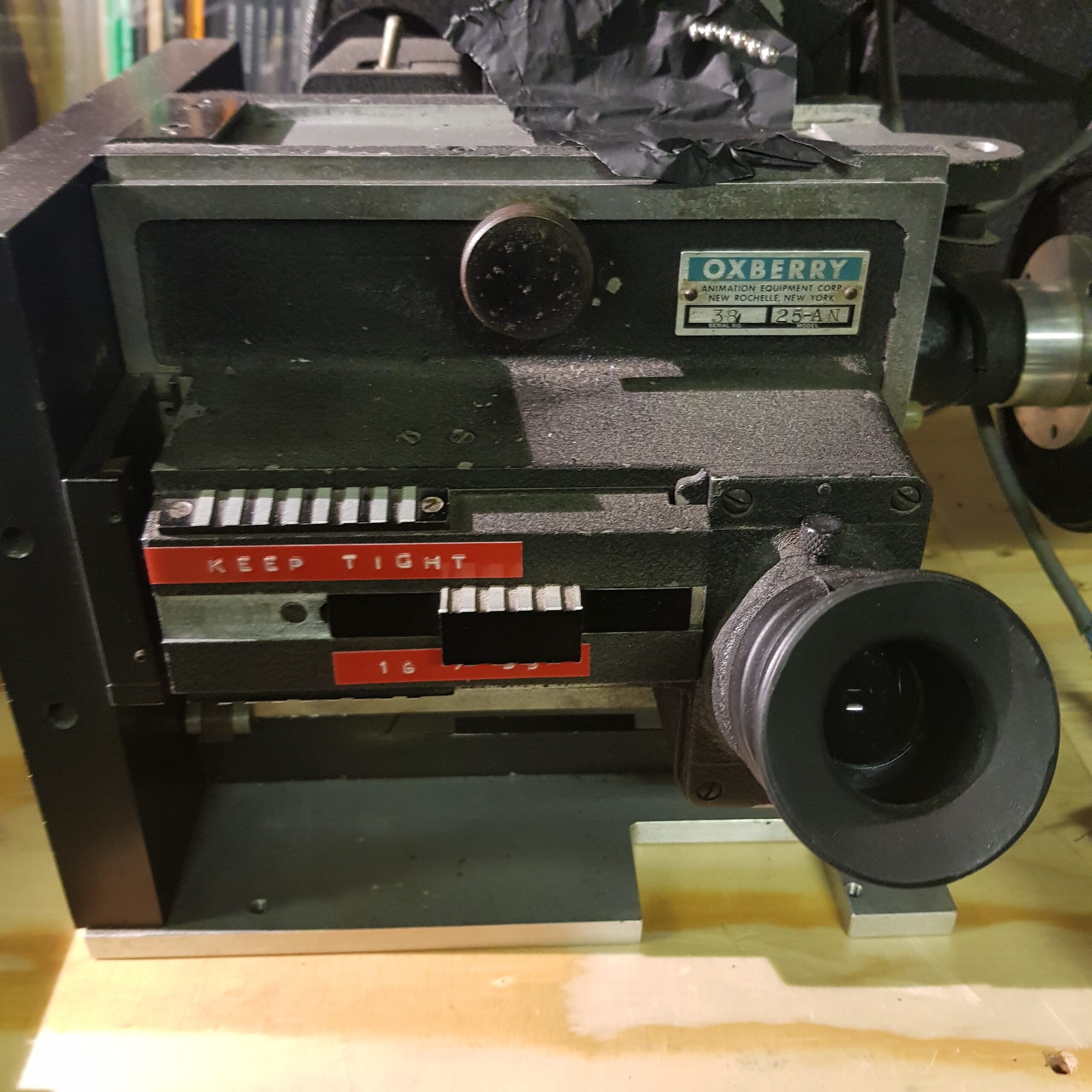
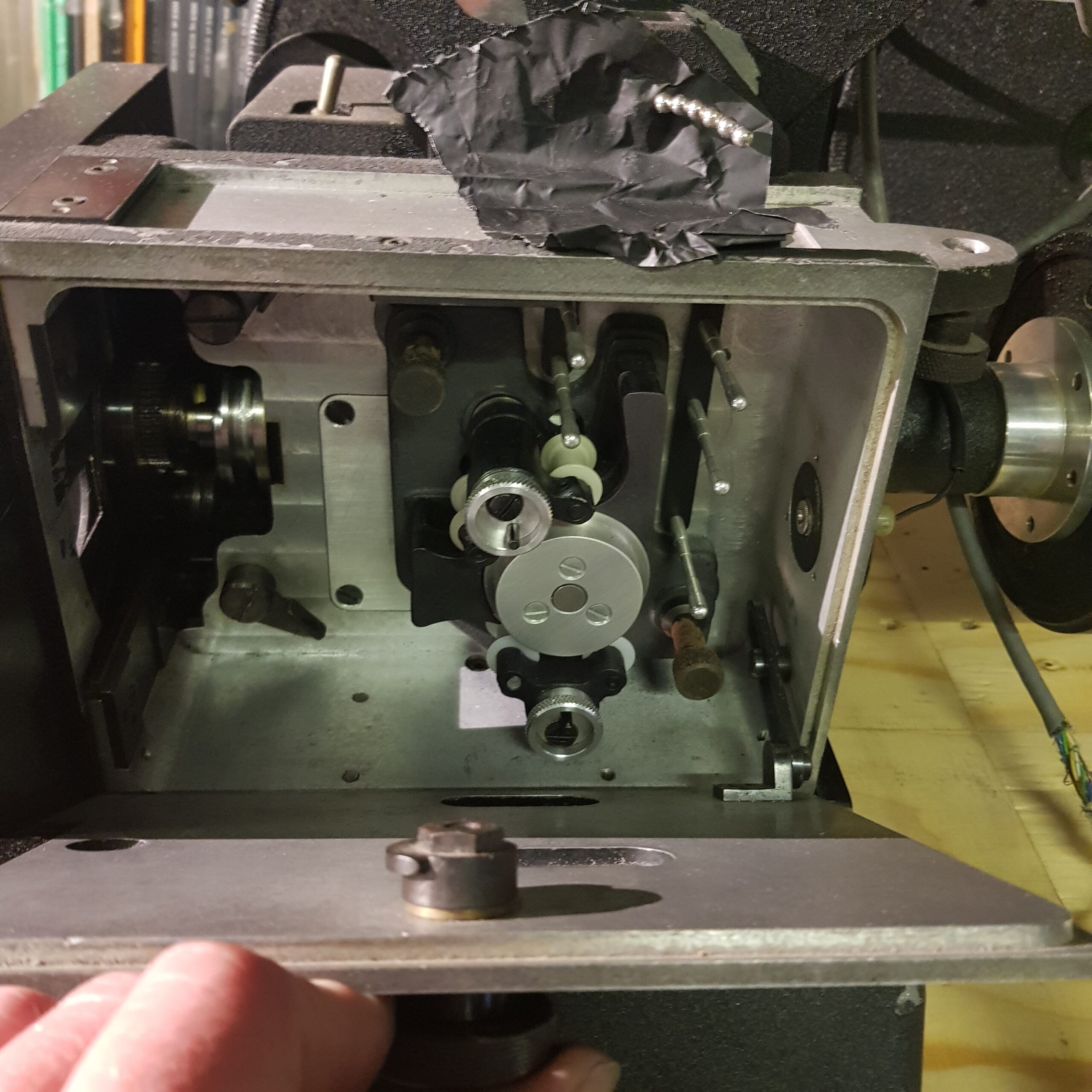
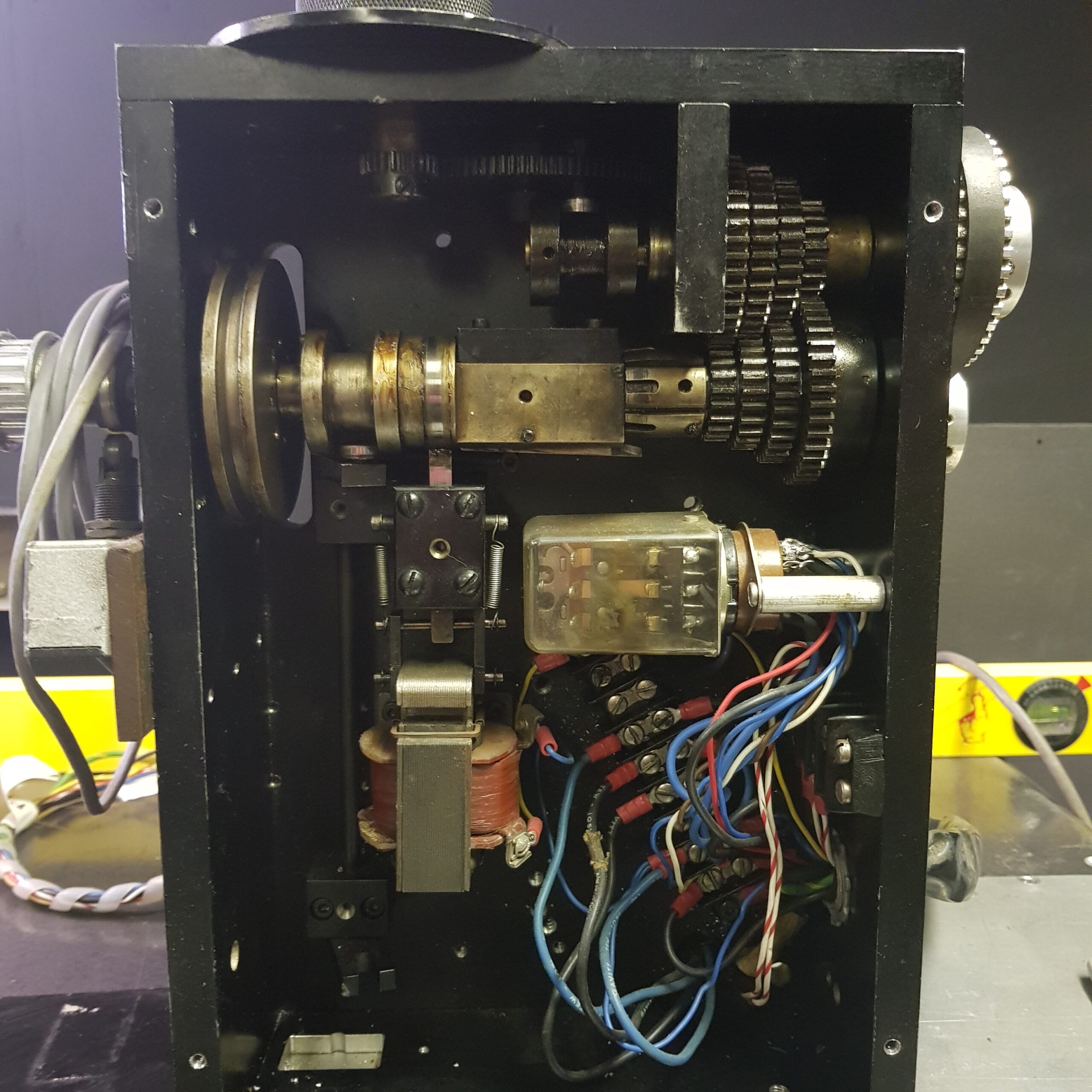
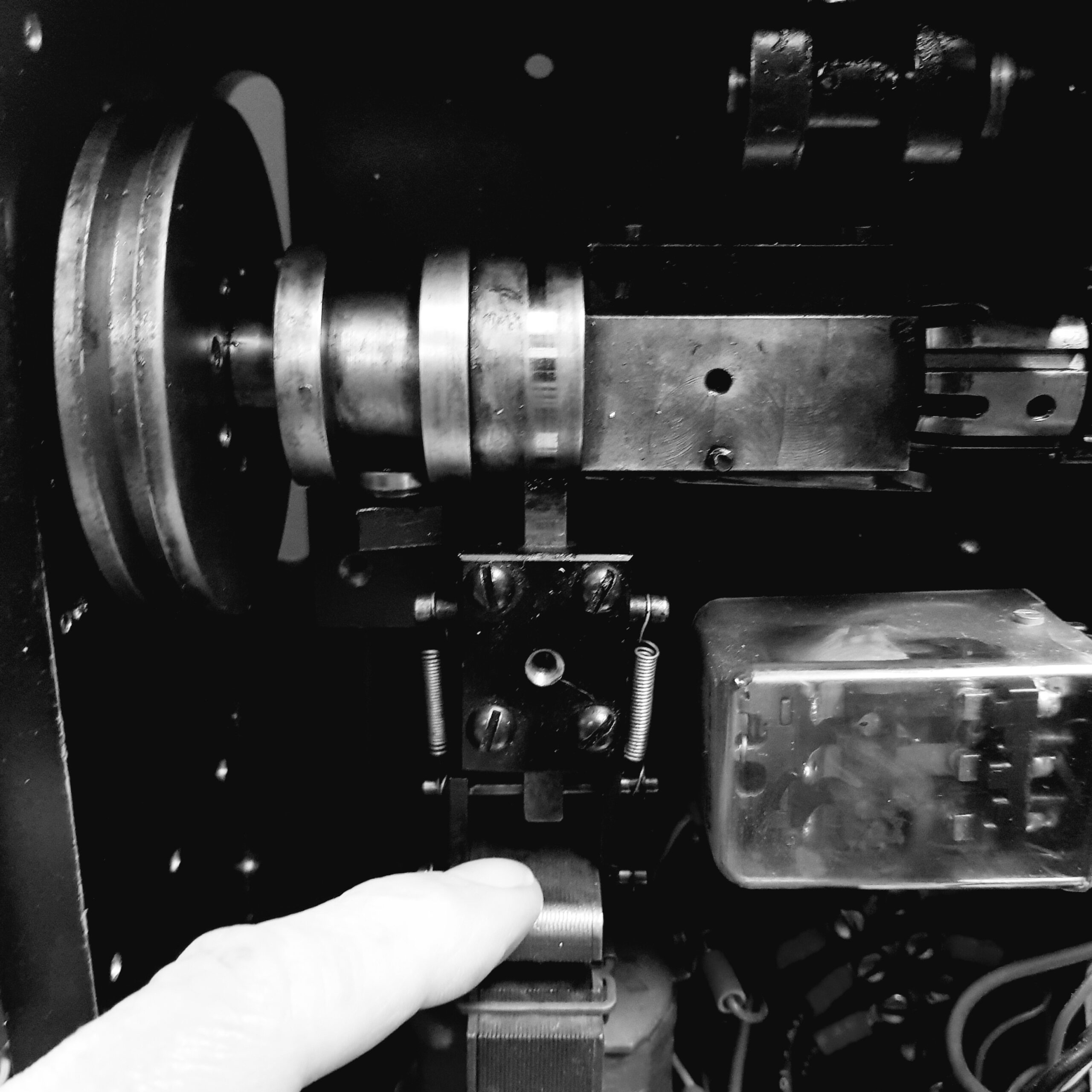
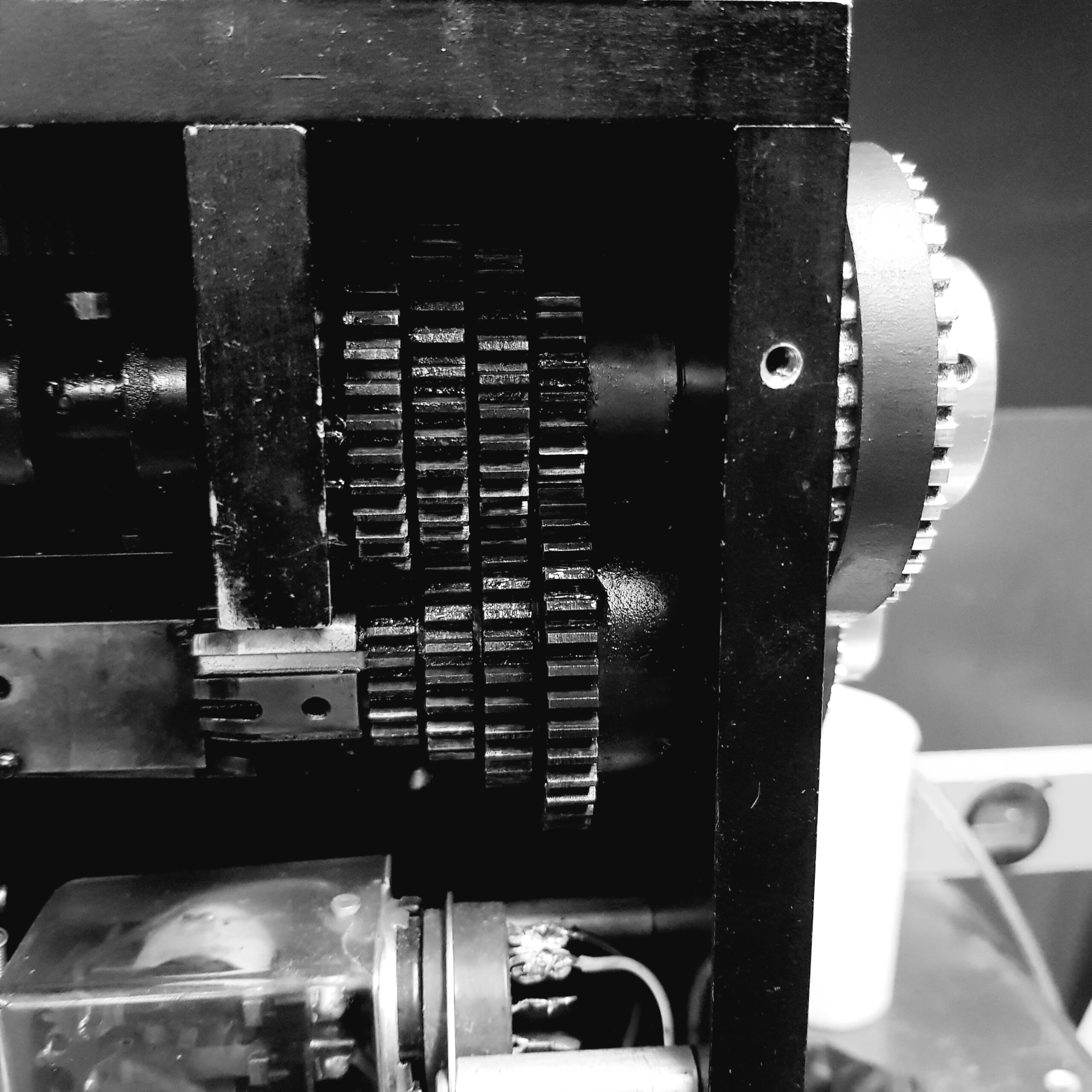
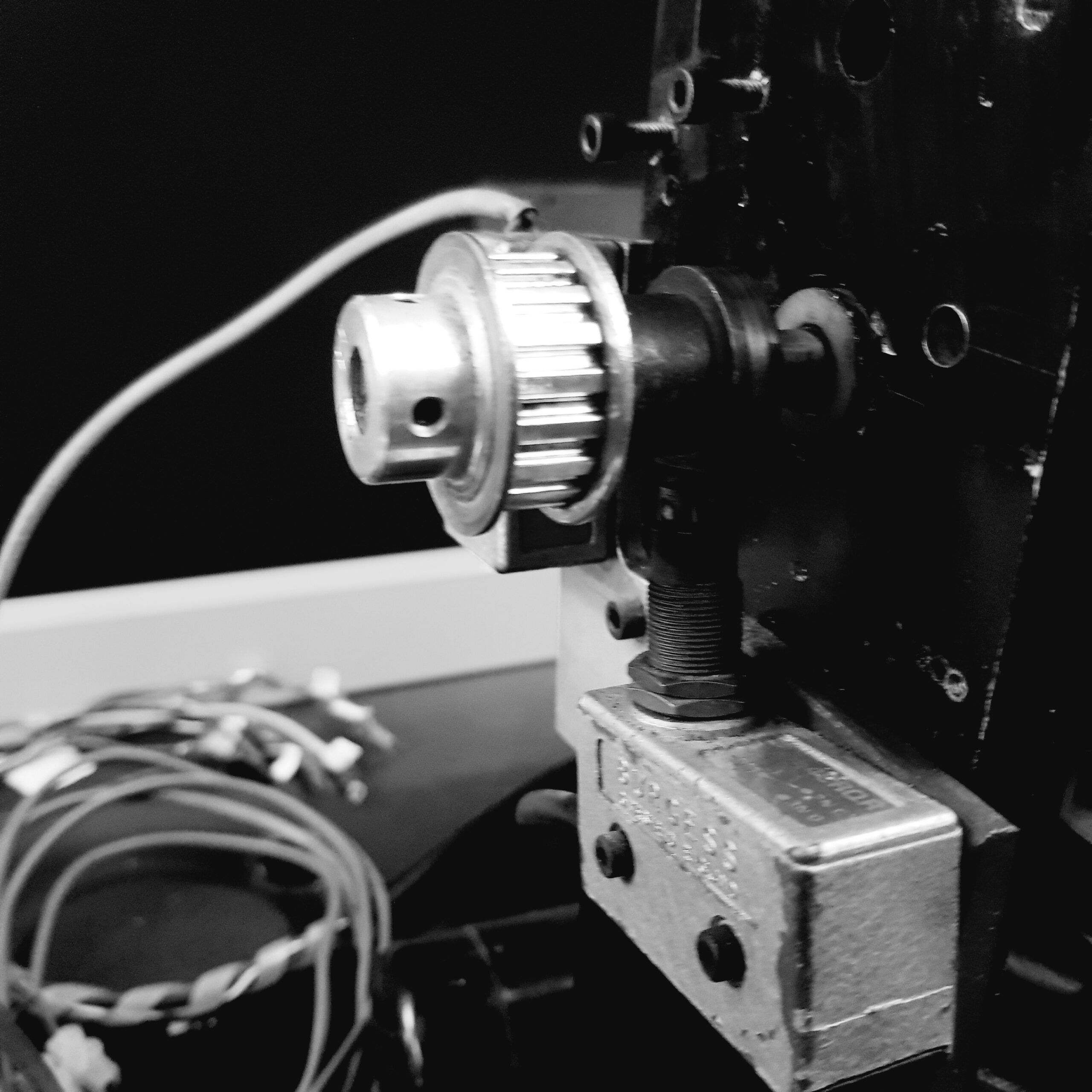
Just been servicing some of my own Eikis for the Bristol 16mm stuff in a few weeks. Two of them fit in the flight case that the geared head came packed in, just without lids. The RT one has been playing up for ages with a problem with power to the exciter lamp. I’ve got a few of these projectors and have started a spreadsheet detailing serial numbers, condition, works, etc.
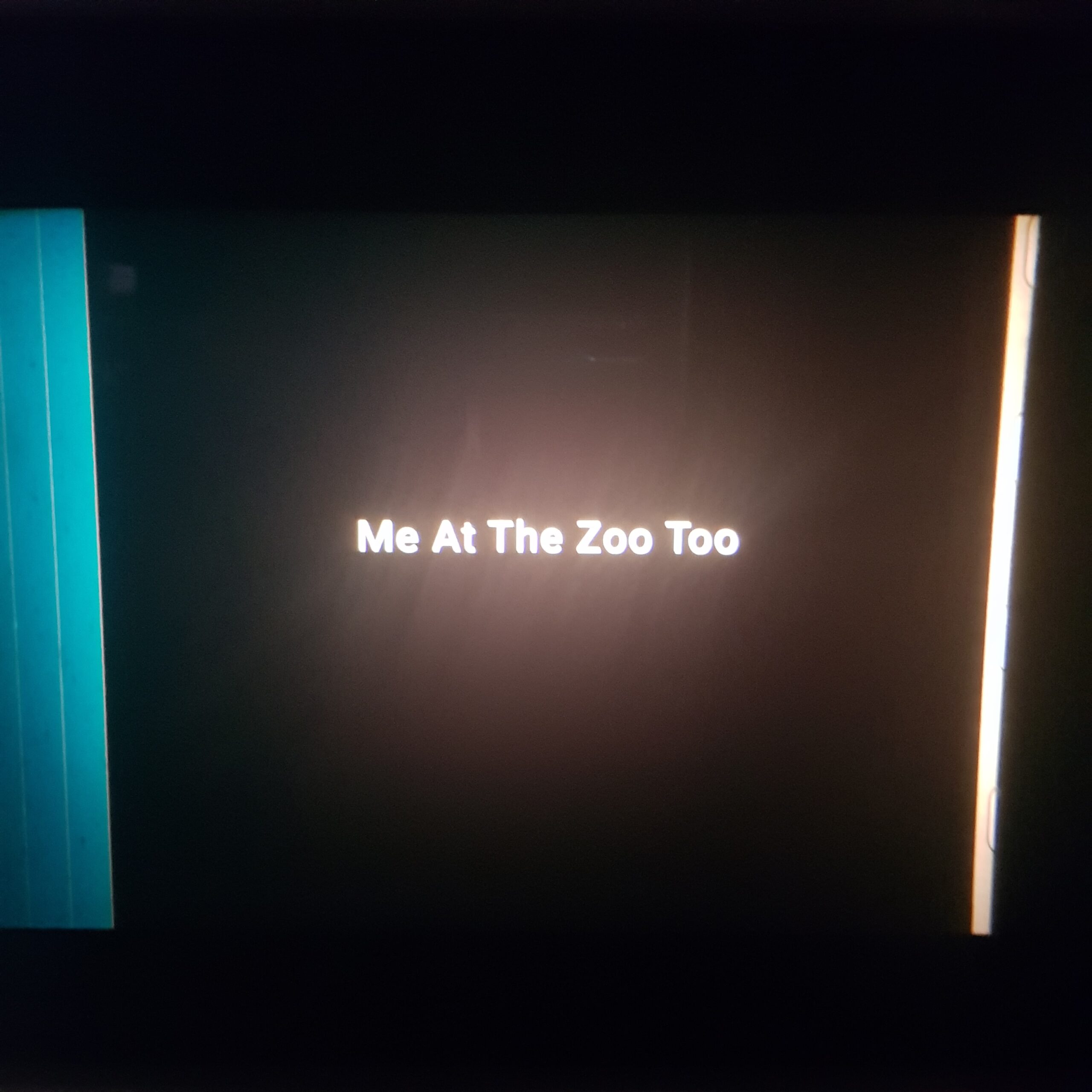
My film, ‘Me at the Zoo Too’ is an attempt at thinking as the medium of film.
It depicts, or rather interprets, or rather ‘thinks about’ the first ever youtube clip to be uploaded, the celebrated and widely written about ‘Me at the Zoo’ by Jawed Karim which has currently had 270 million views and counting. It was uploaded on 23rd April 2005.
My concept involved transfering this clip to 35mm motion picture stock as a way for the analogue photochemical film material to ‘quote’ or comment on not just the clip itself and its place in history but also the whole system of online video and user defined video.
Simplistically seeing it as a moment in the history of moving images therefore necessitated its archiving and preservation for the future and the best technique for this is motion picture film.
The clip is very short, 19 seconds. In my film it appears twice.
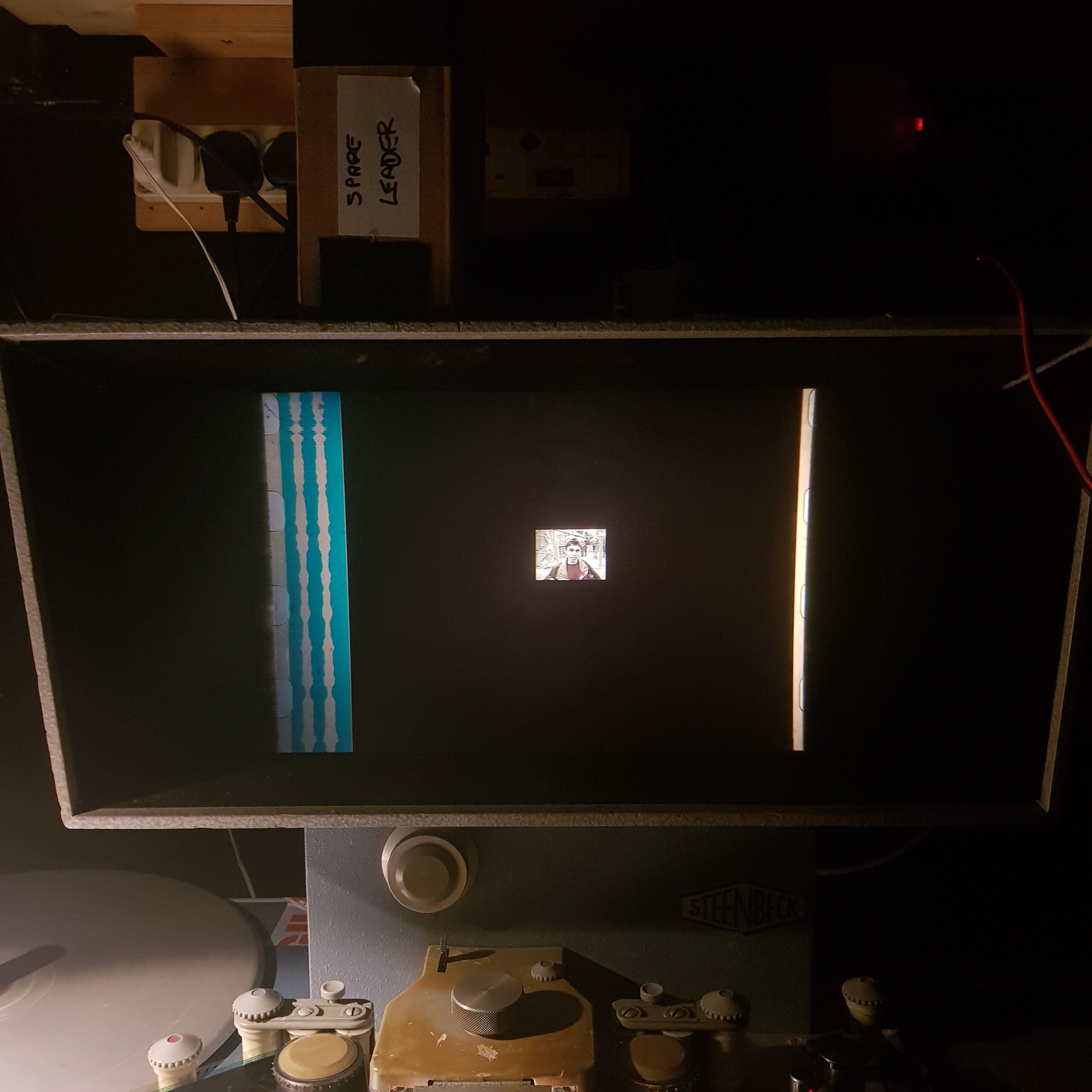
In the frst clip it appears as a very small, stamp like image in the middle of the frame.
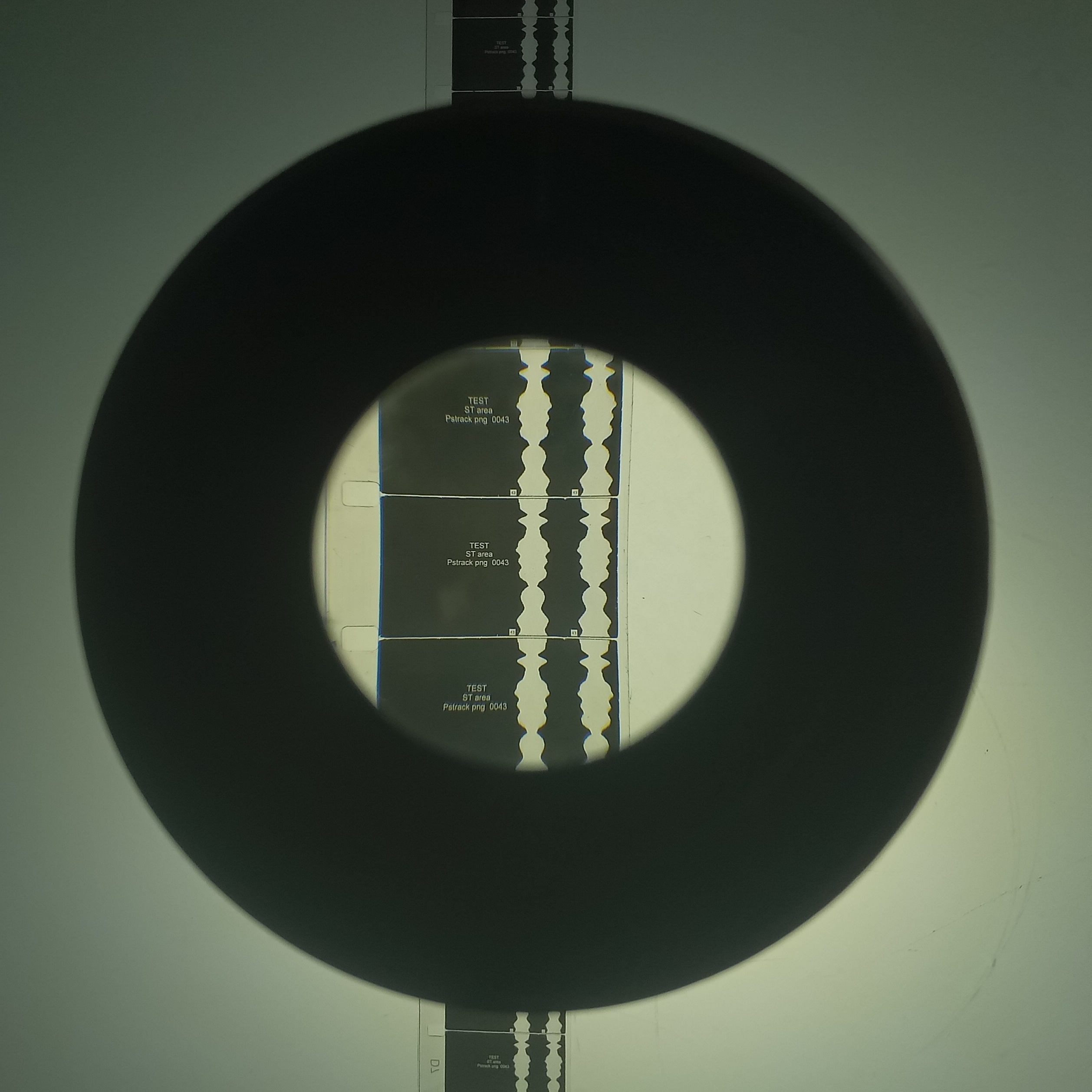
The size is not arbitrary. In actual fact, its the relative size in pixels of that first clip (320×240) within a full frame 35mm image. To be projected properly it requires a cinemascope gate or aperture plate and the correct lens for scope BUT MINUS the animorphic adapter. In effect it is the same as for a fox movietone 1.19:1 film, a film with full frame and optical soundtrack.
There is then an interlude to change lens and gate.
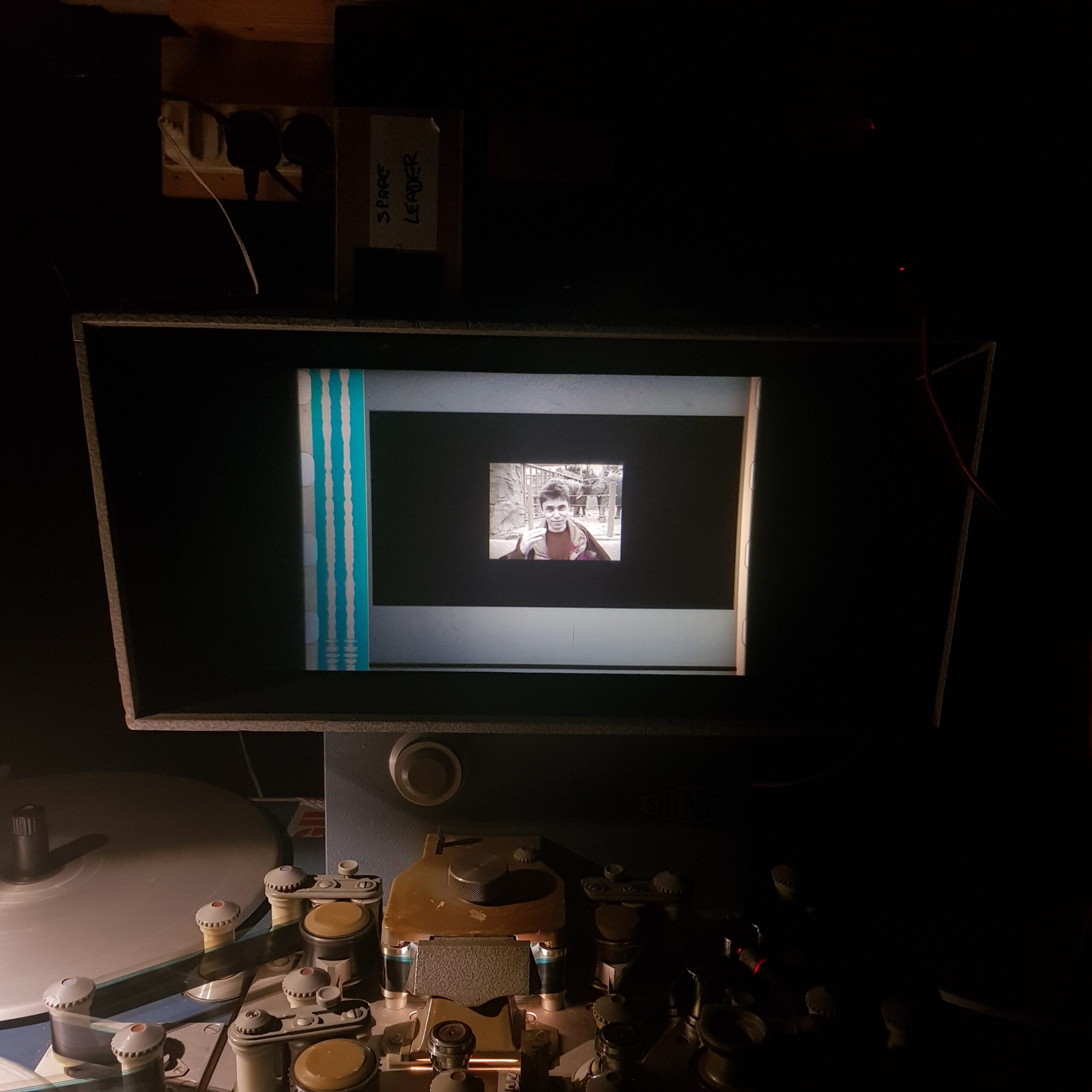
The second clip is sized according to a DVD video image (720×576) within a widescreen (1.85:1) frame, hence the cropping. On the screen the grey coloured area is masked out by the aperture plate so there is an argument to keep it black. But, film is not ONLY projected, so I wanted something to indicate all the factors at play. The sound is mono, printed as a cyan VA optical soundtrack.
These different factors are variables afforded to or intrinsic to the film medium. Therefore they act as parameters that add some level of interaction with the clip that is forever recorded into the piece of work.
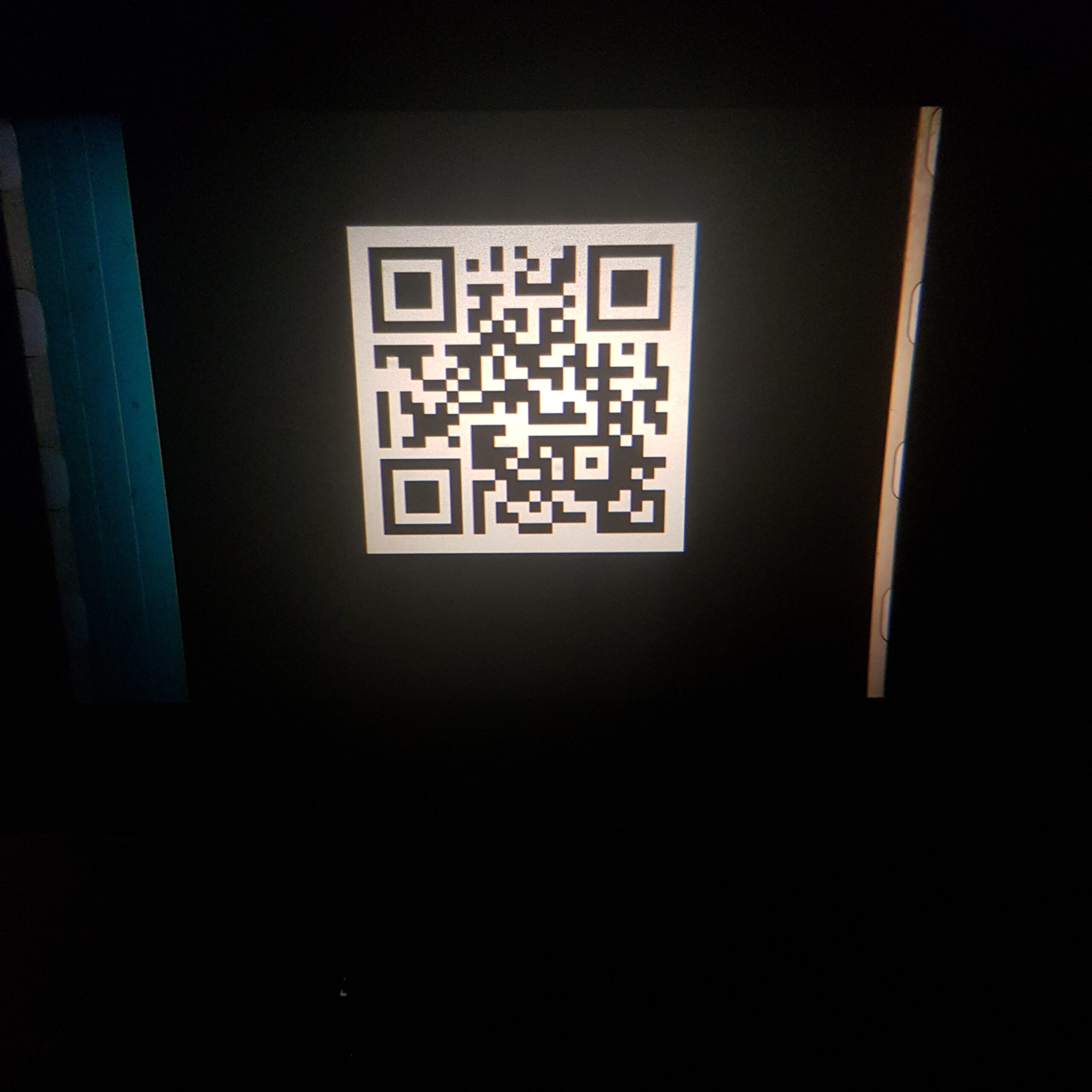
The QR code at the start is a link to this website. It only occurs for 1 frame though so references the manual viewability of film, ie a when a person handles the film to rewind, examine, etc.
An error occured during the digitisation of the clip (wrong colour space defined) which has resulted in a weird colouration. It looks more grey than it should and there is no blue. I quite like this though because the presence of Elephants is an important conceptual one.
Another idea for how this work engages with the notion of the internet is what happens when it is viewed in cinema spaces.
The online original has every viewing counted and logged. As an artifact, outside of that system, individual viewings can not be easily counted (ie a print projected infront of an audience) and so the qualifying value must reside in some other (than metrics) dimension and I would argue this is the social basis of cinema.
So screenings of this film in cinemas or galleries to a congregated public, are diametrically opposite online viewings.
Another aspect of this idea is that it could be exhibited as an object. That is in a vitrine or diplay case with notes etc.
This is another dimension afforded to analogue mediums like film. They are objects and artifacts that can embody an idea or concept in multiple dimensions of time and space.
It comes with projection instructions if anyone wants to screen it. Two copies have been made. I am considering getting more made using the correct colour space.
I am working on other films and Art works that use similar concepts.
Me athe Zoo Too formed the ‘practice’ component of a MRES (master of research) that I did at UWE which had as one of is aims to explore how a film archive / lab can act as an experimental production mode.
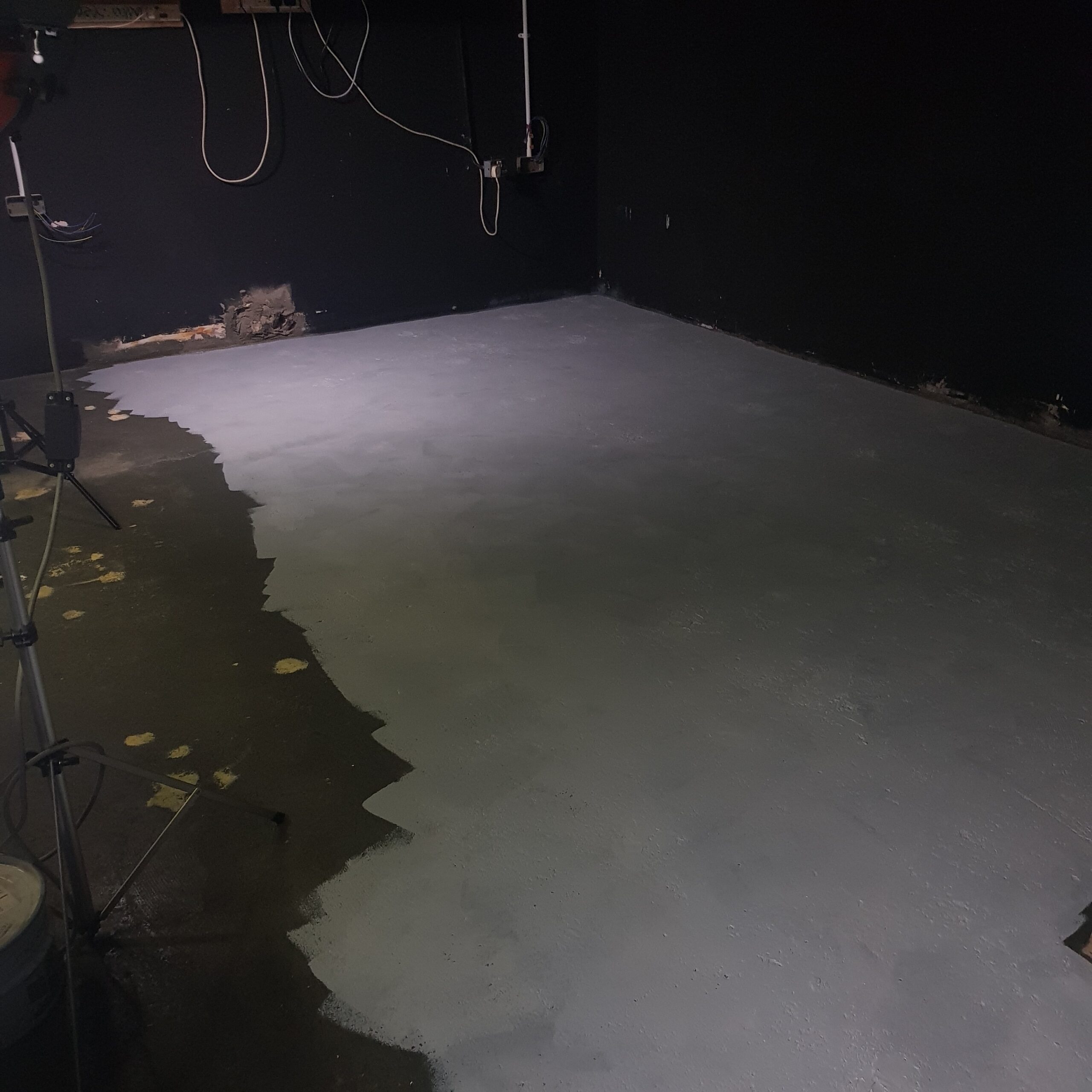
Like anything in an interconnected world I start to prepare and finally paint the floor and get disracted by old electronics. This is the way.
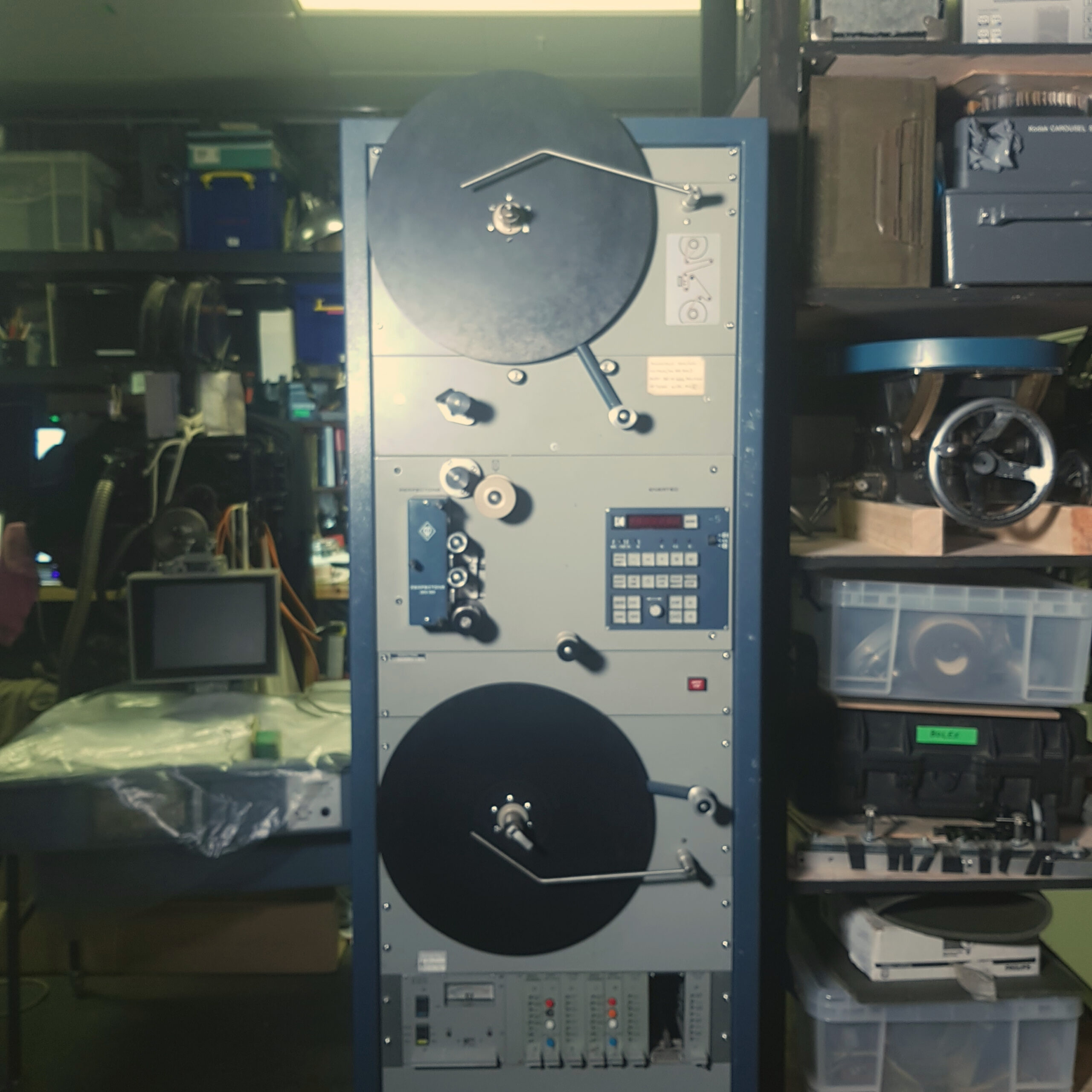
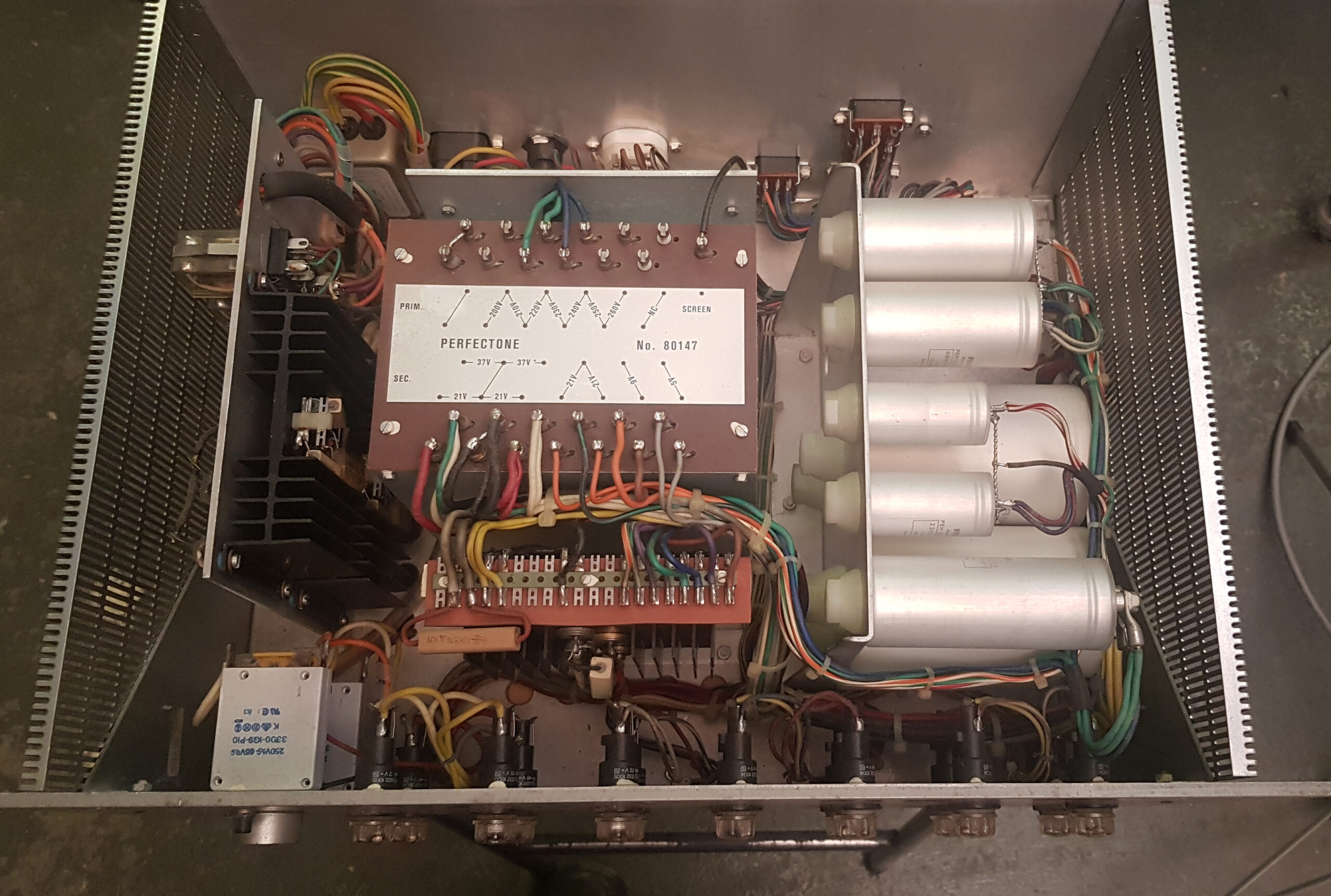
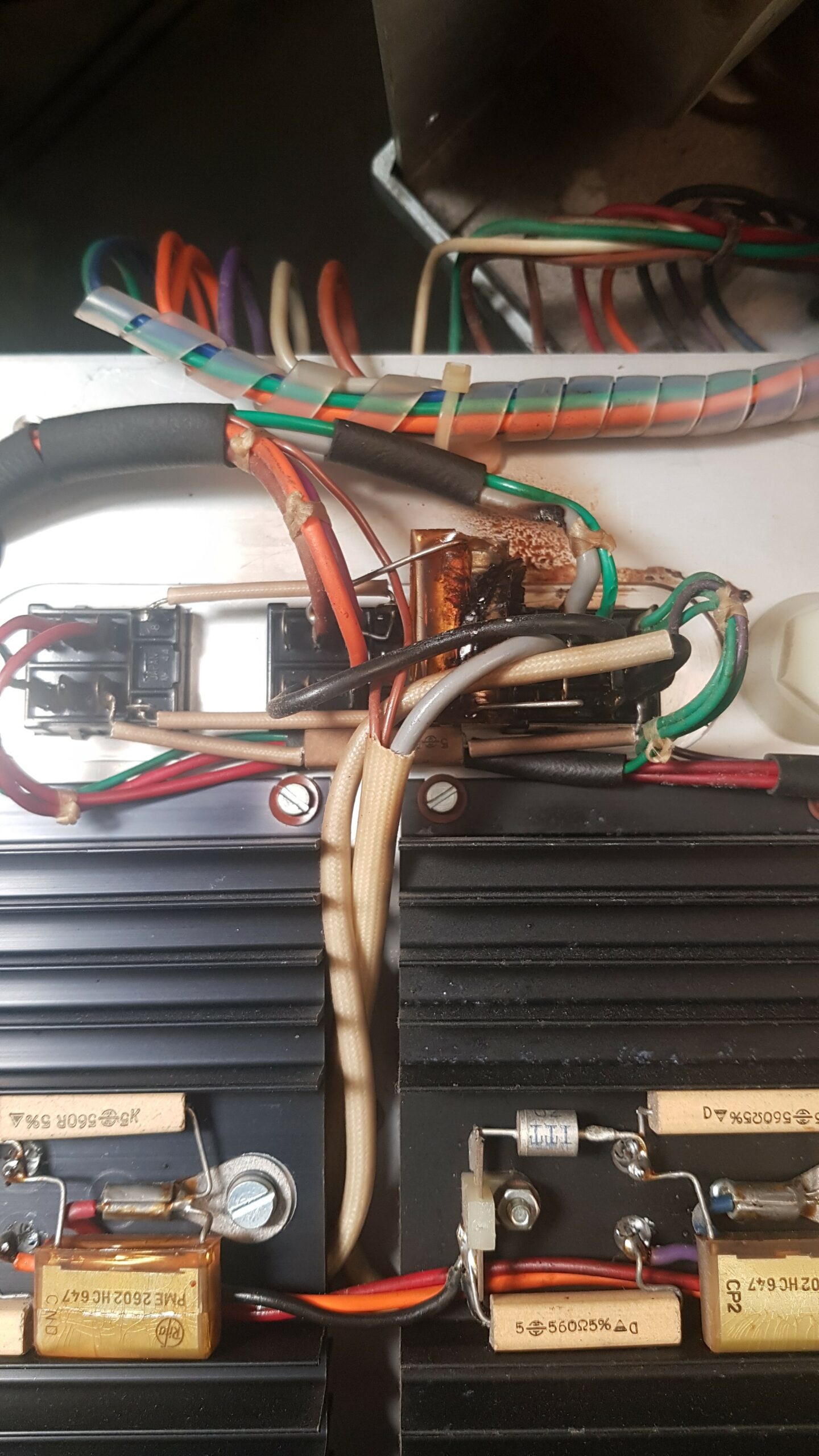
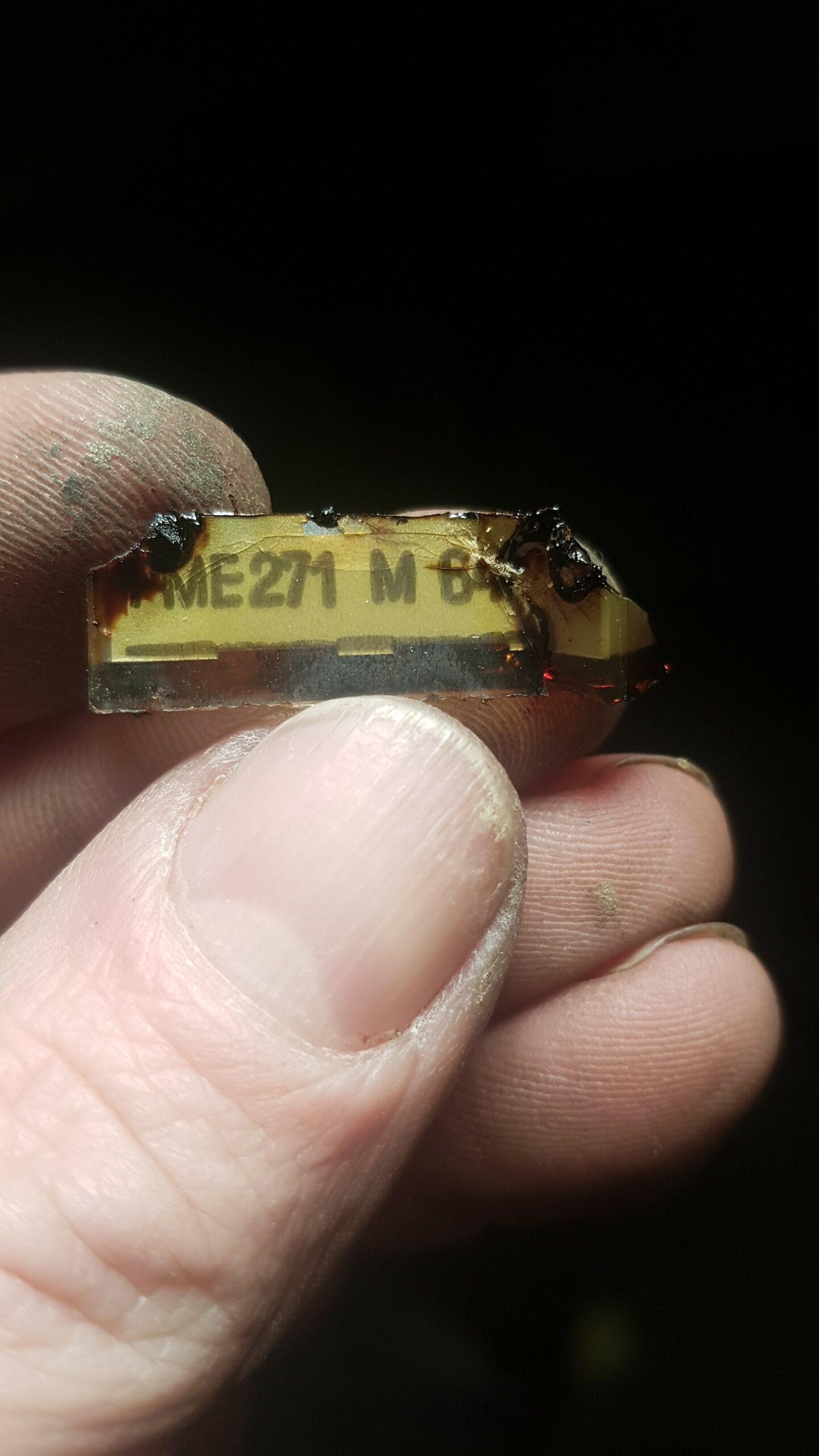
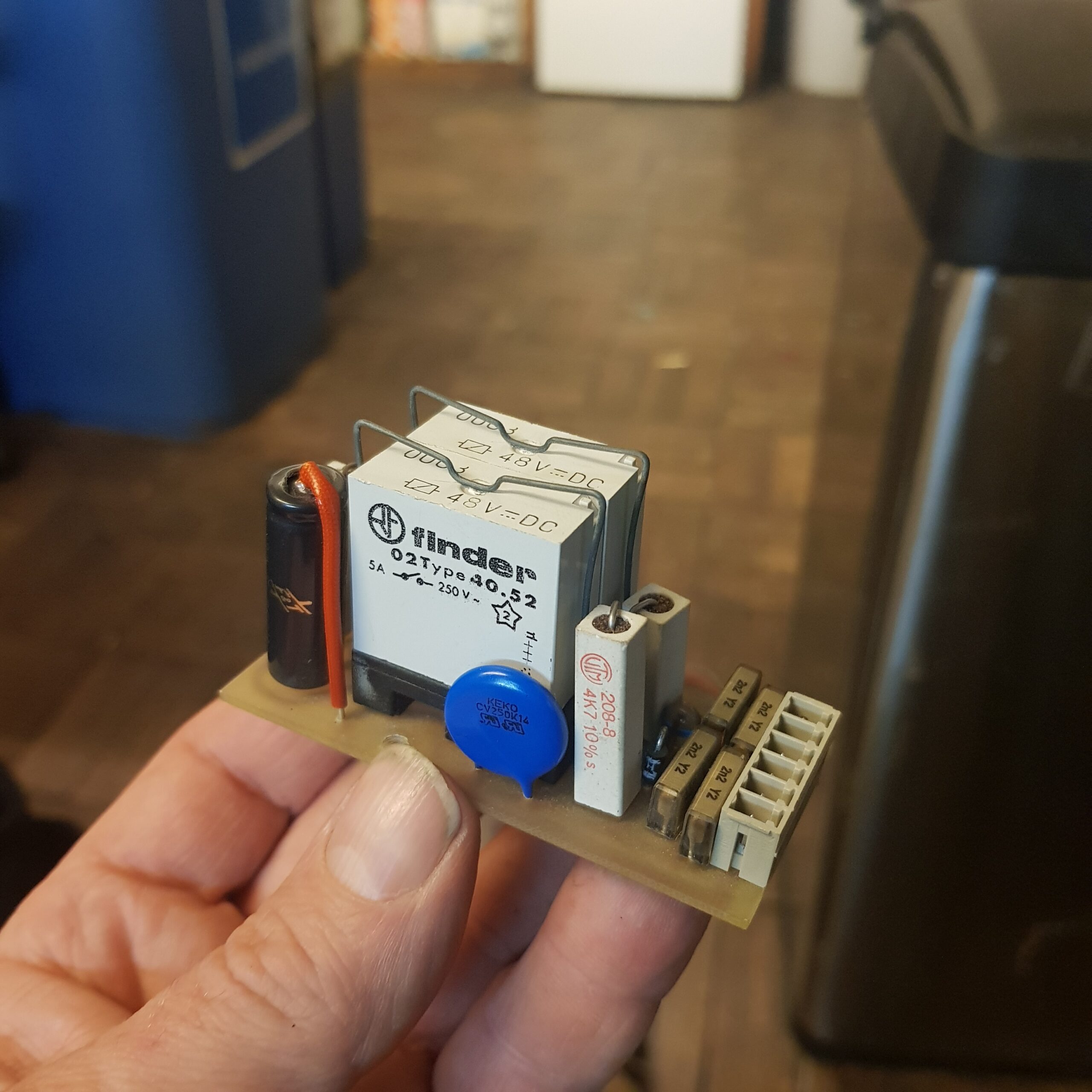
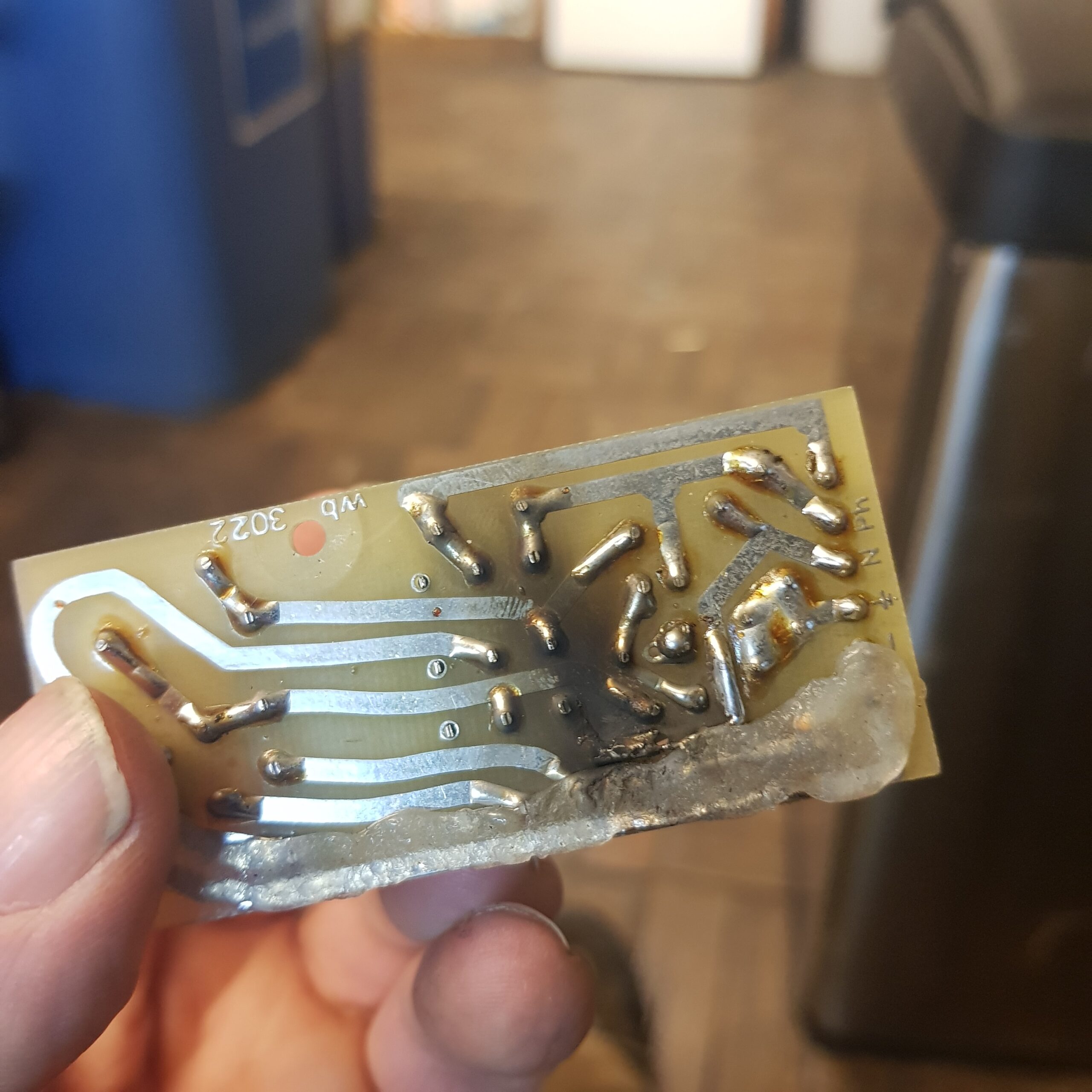
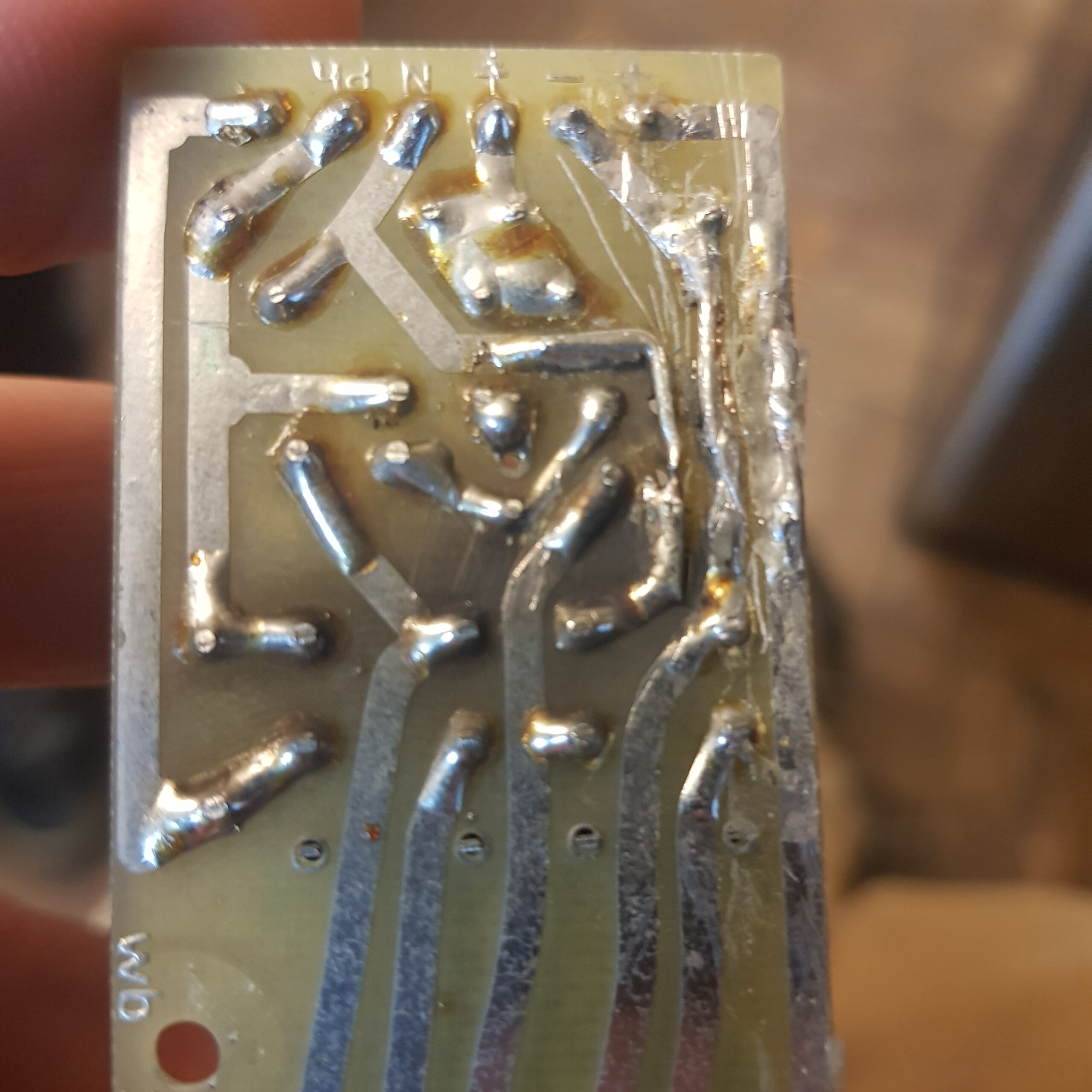
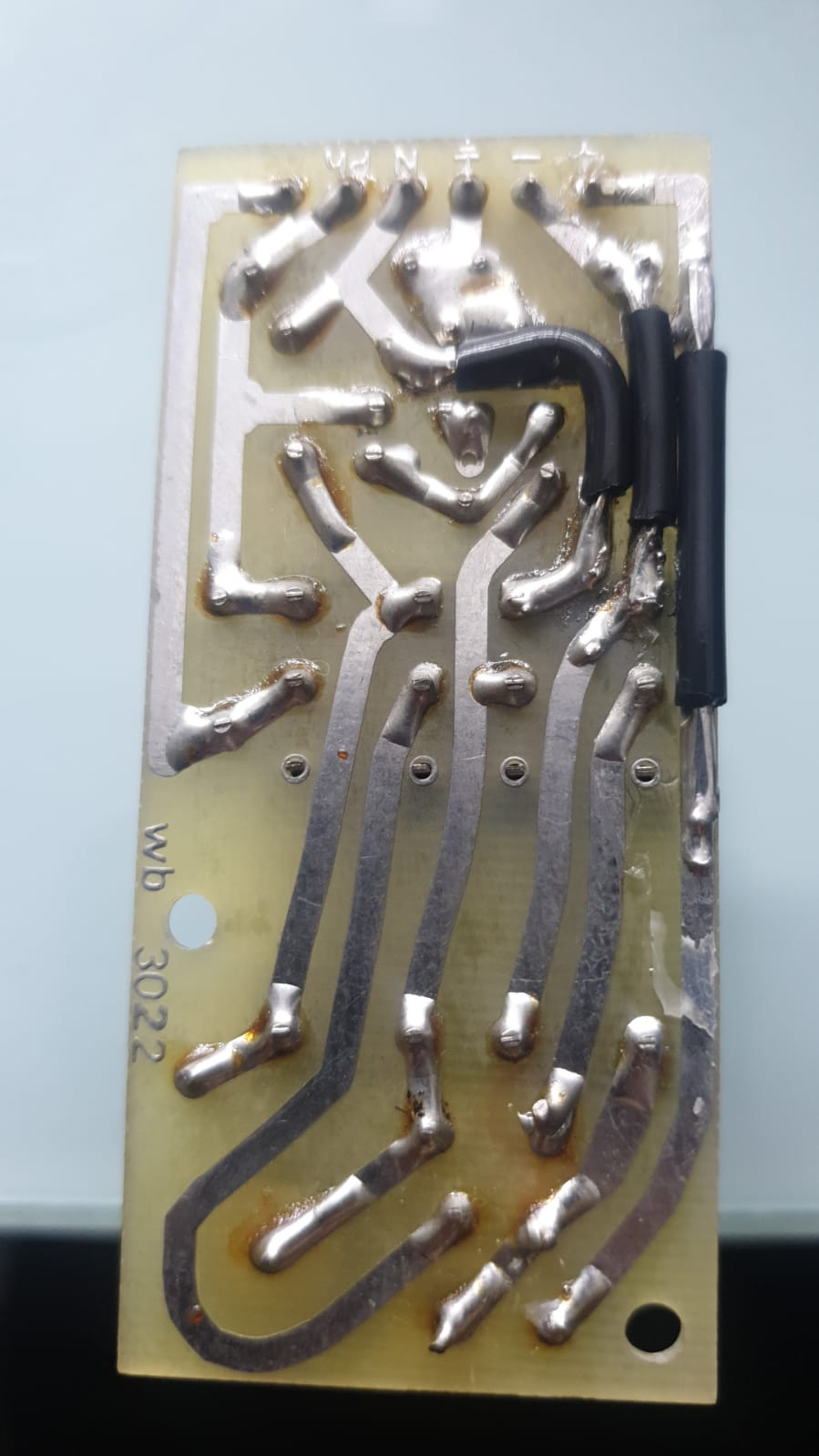
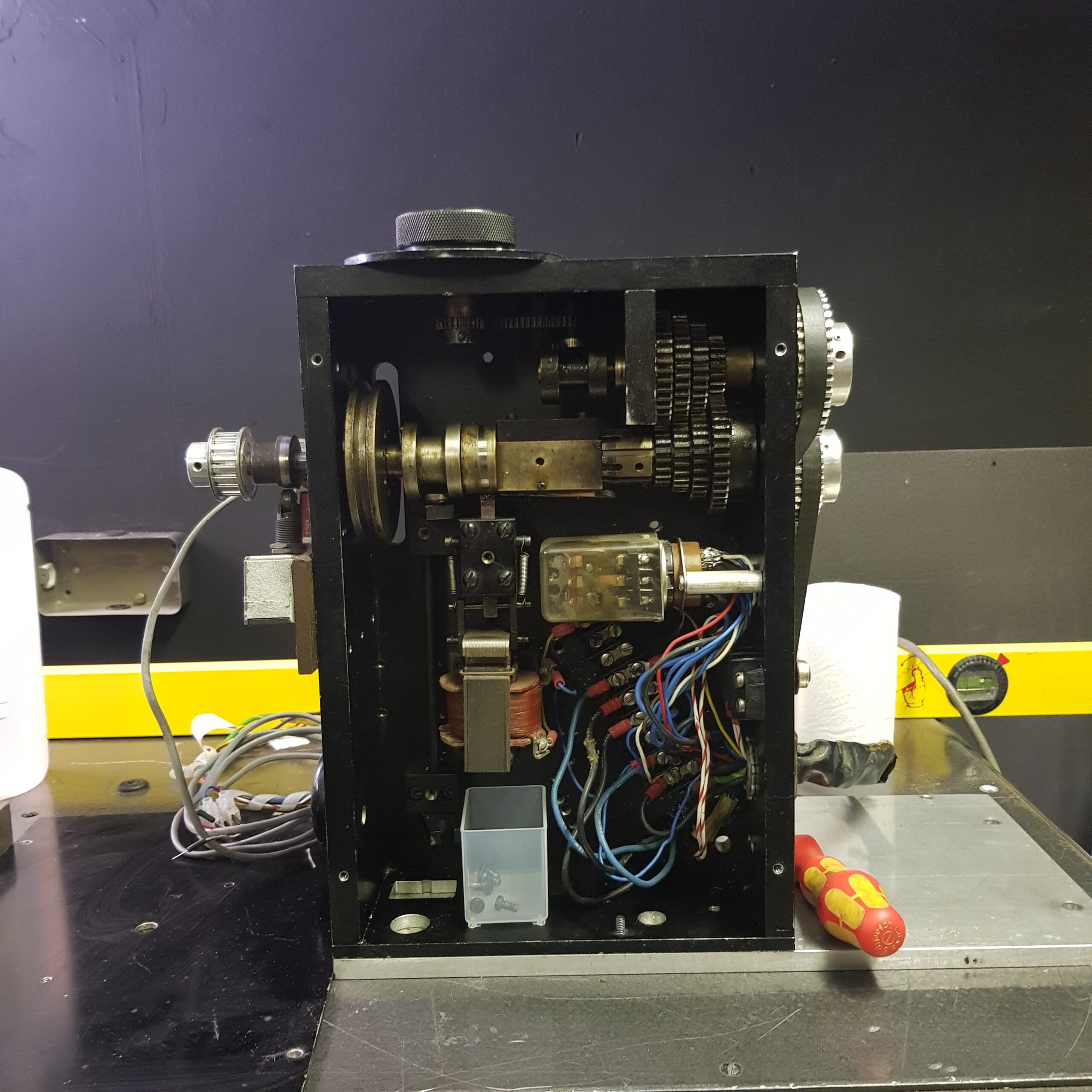
I blew a part on my sound follower a few years ago. I had turned it on to check functions and work out how it worked and then a little pop happened and a puff of perfect white smoke rose up from within the PSU block somewhere inside the machine. My thoughts then, after looking closer at the board concerned was ‘what chance is there of fixing this?’.
Well, several years later, I’m clearing the workshop to paint the floor and the sound follower is stood there on its own. I think, fuck it, lets have a look at this thing, partially spurred on by the success with the Kinoton spark circuit. After removing the PSU block and taking a closer look at the blown part I can see that its easier to get to and remove than I first thought.
Anyone had much experience searching for old manuals online? Well, you get these companies that bought up loads of service manuals and now sell them off for what feels like silly money. I found a complete manual including schematics for a similar-ish model to mine and thought it would be worth the risk of getting it.
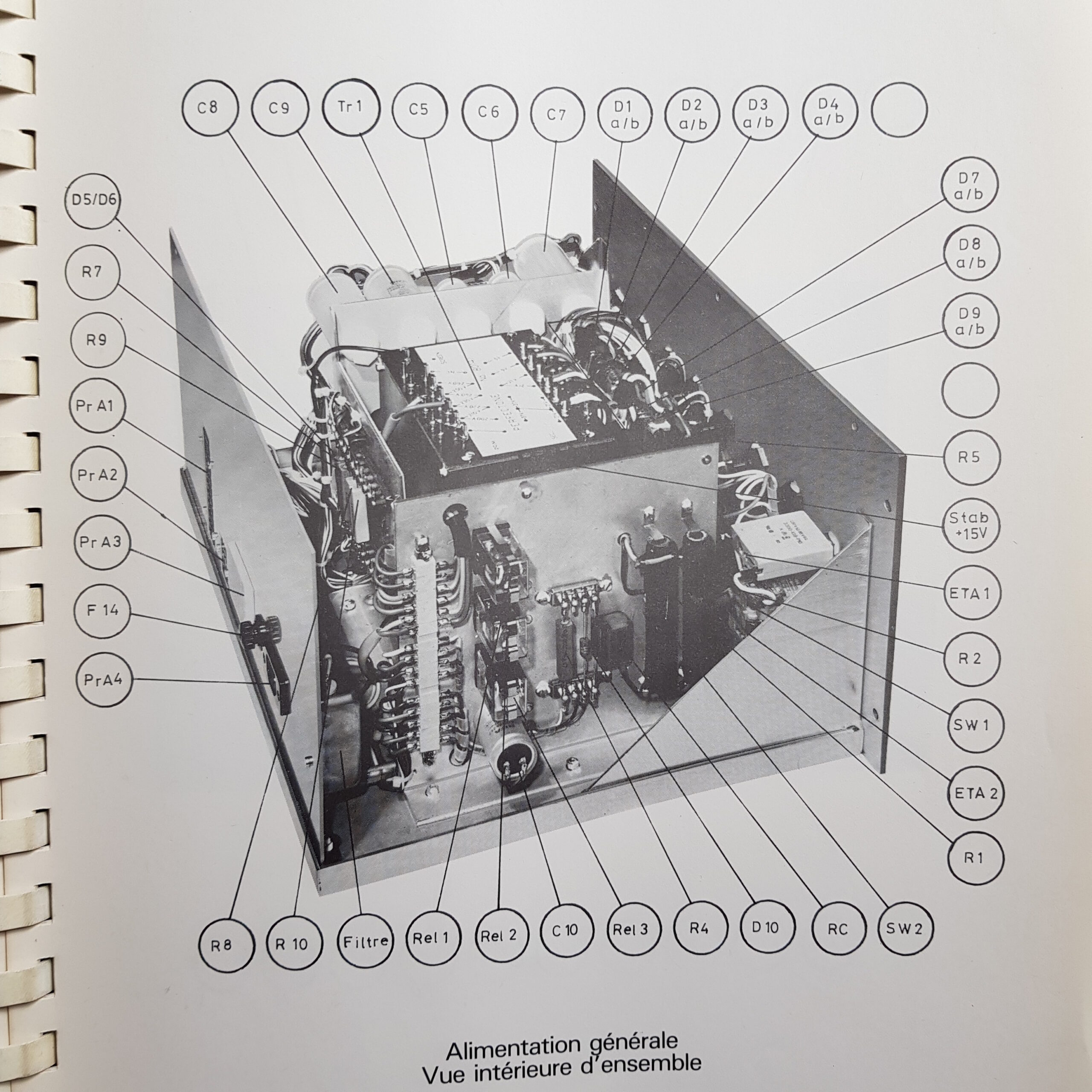
I was very happy when it came because it had everything I needed plus more because it was also an opearation manual. I challenged myself to find the correct schematic and part ‘before’ I consulted my electronics friend.
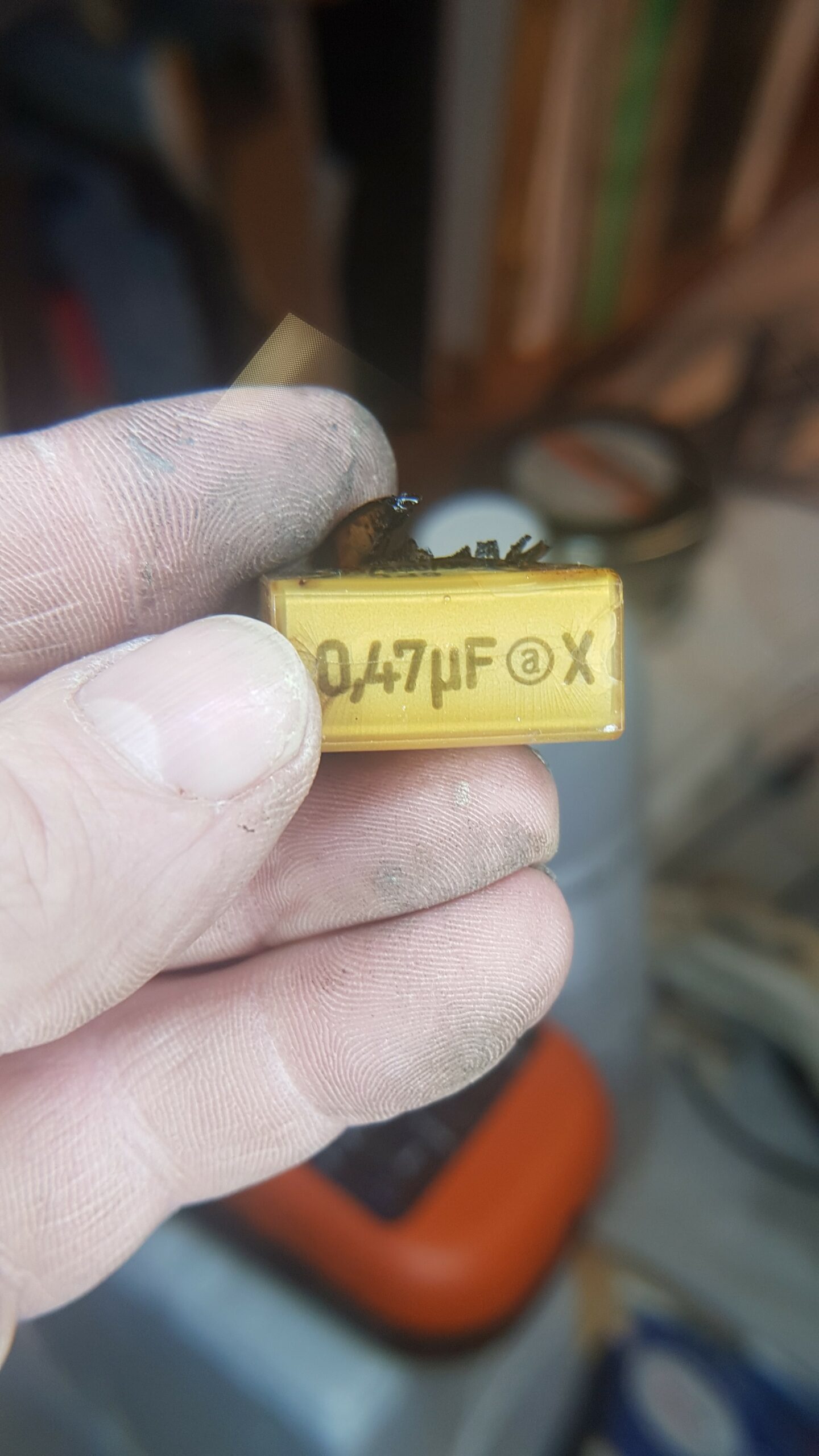
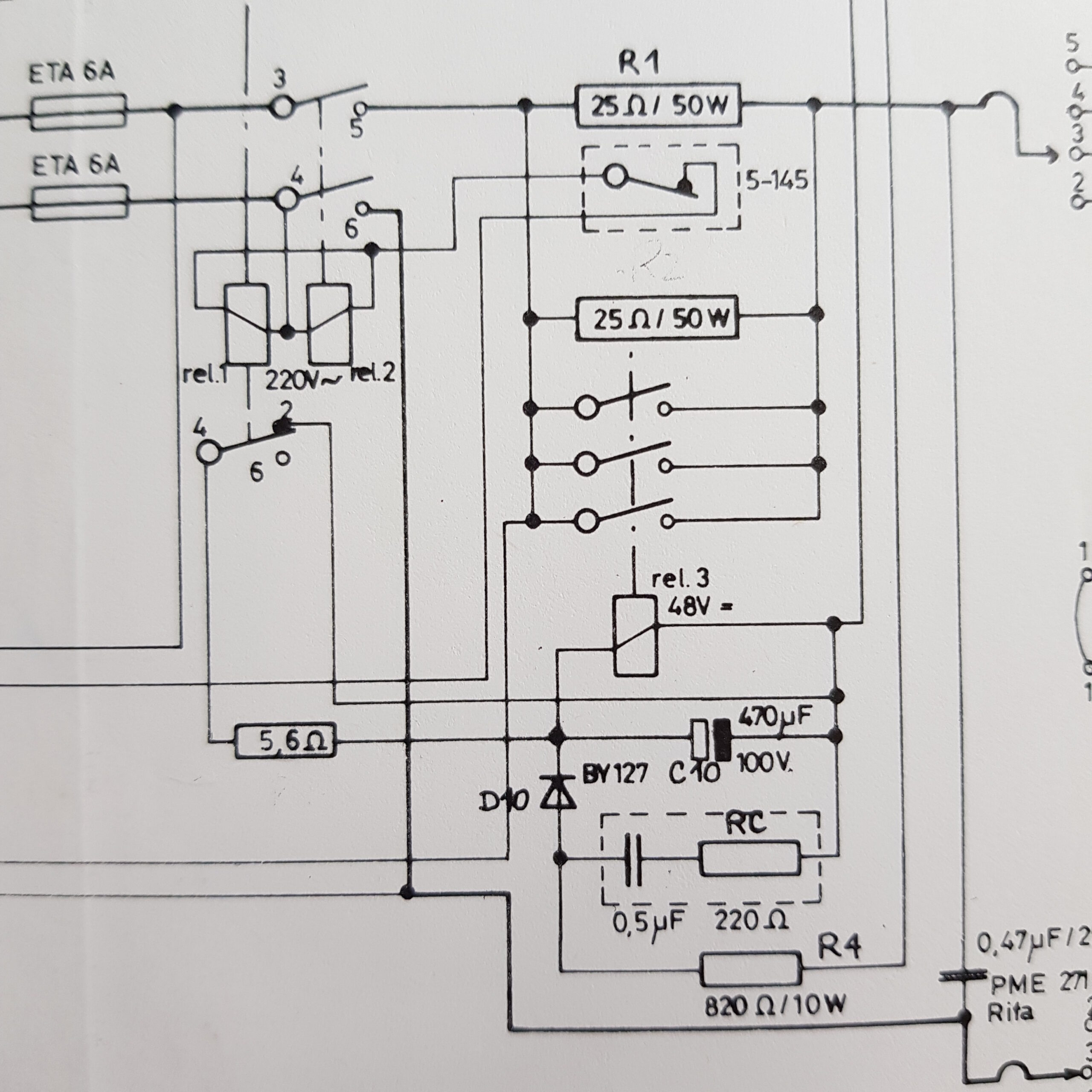
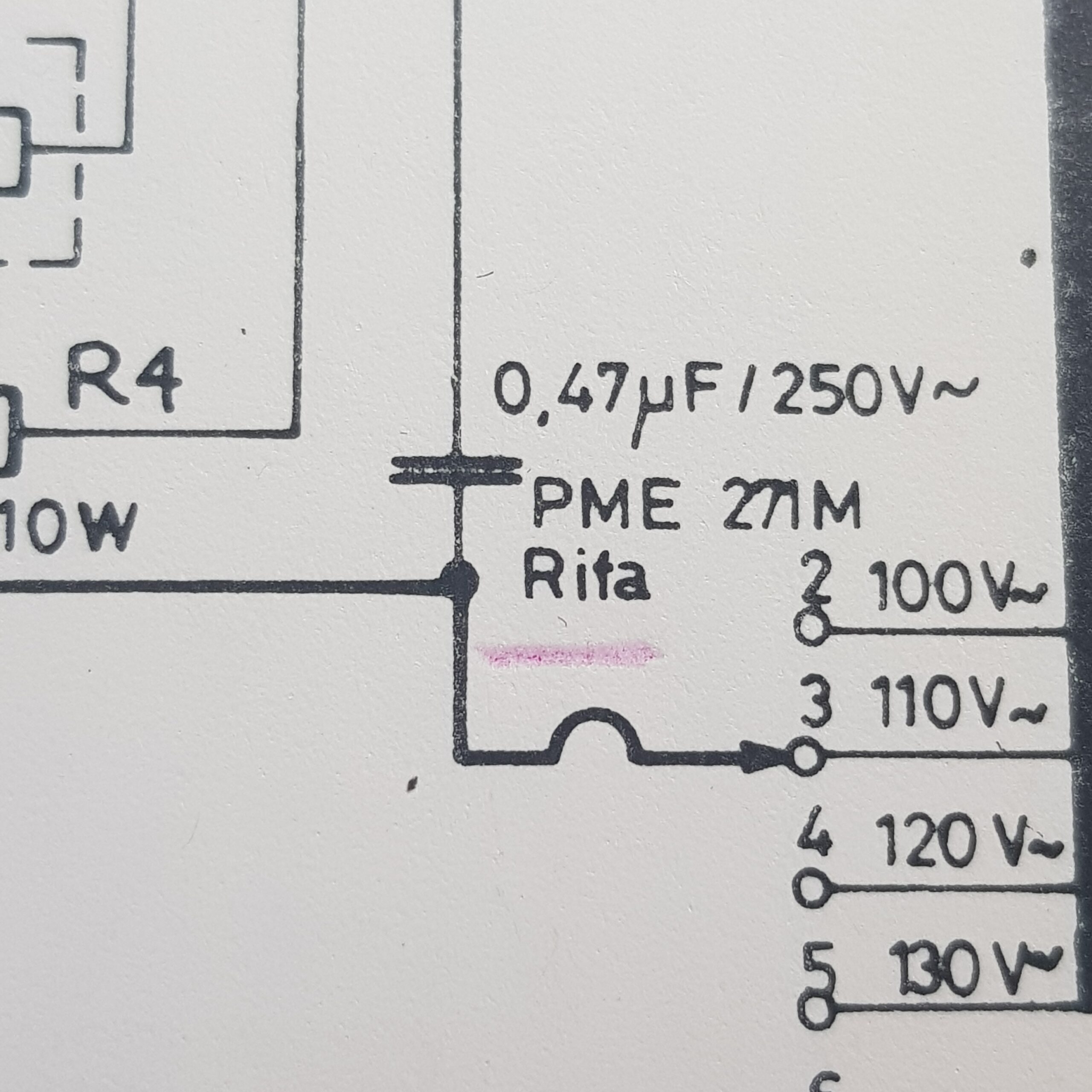
What we are looking at here (took me a few days to decipher the manual and its detailed outline and indexing system) is a part of the PSU circuit where there are 3 relays. rel.1, rel.2 and rel.3. I knew that the blown part, after extracting it, sat between two relays, most probably 2 and 3. I also know, or had learnt from my friend that the part was a RIFA which were known to blow because they allow mositure in. You can find umpteen stories on the internet with radio engineers and electronics folks waxing lyrical about when it happens to them. They act as noise suppressors across mains lines in audio equipment. Easily replaced by modern ceramic caps.
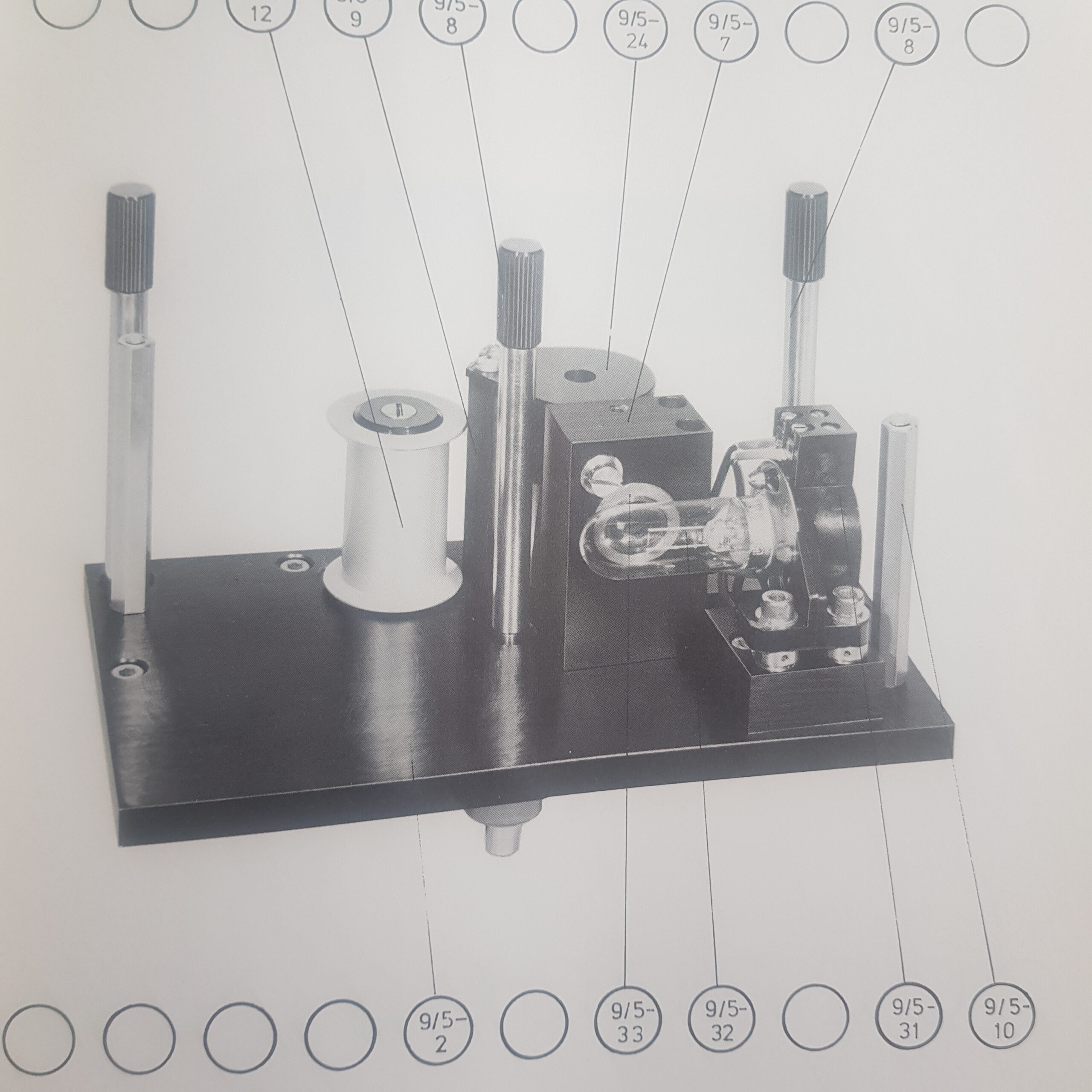
The manual also shows some additional parts (which I dont have) that I guess I’ll be chasing for the next twenty years like this optical sound reader.
You may well ask what is the point of this machine? Dont! Don’t, you understand! Don’t ask this question, never ask this dumb question. Its a machine and it needs our love and attention. It did a job, a good job back in the day and theres absolutely no reason for it to retire from this job. It was built by human hands, designed by human minds, run by human skills and enjoyed on the cinema screen by humans!! What more fucking reason do you need.
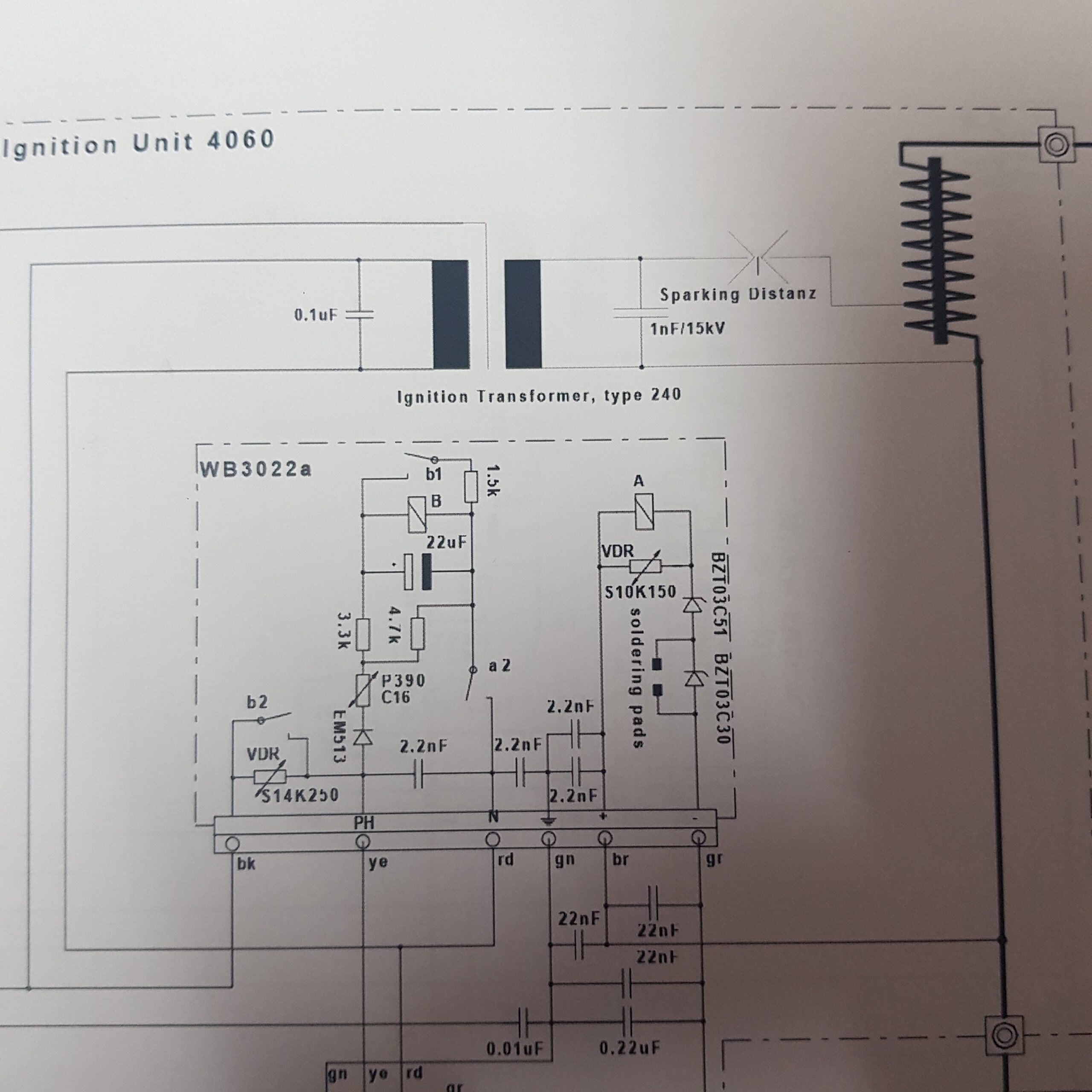
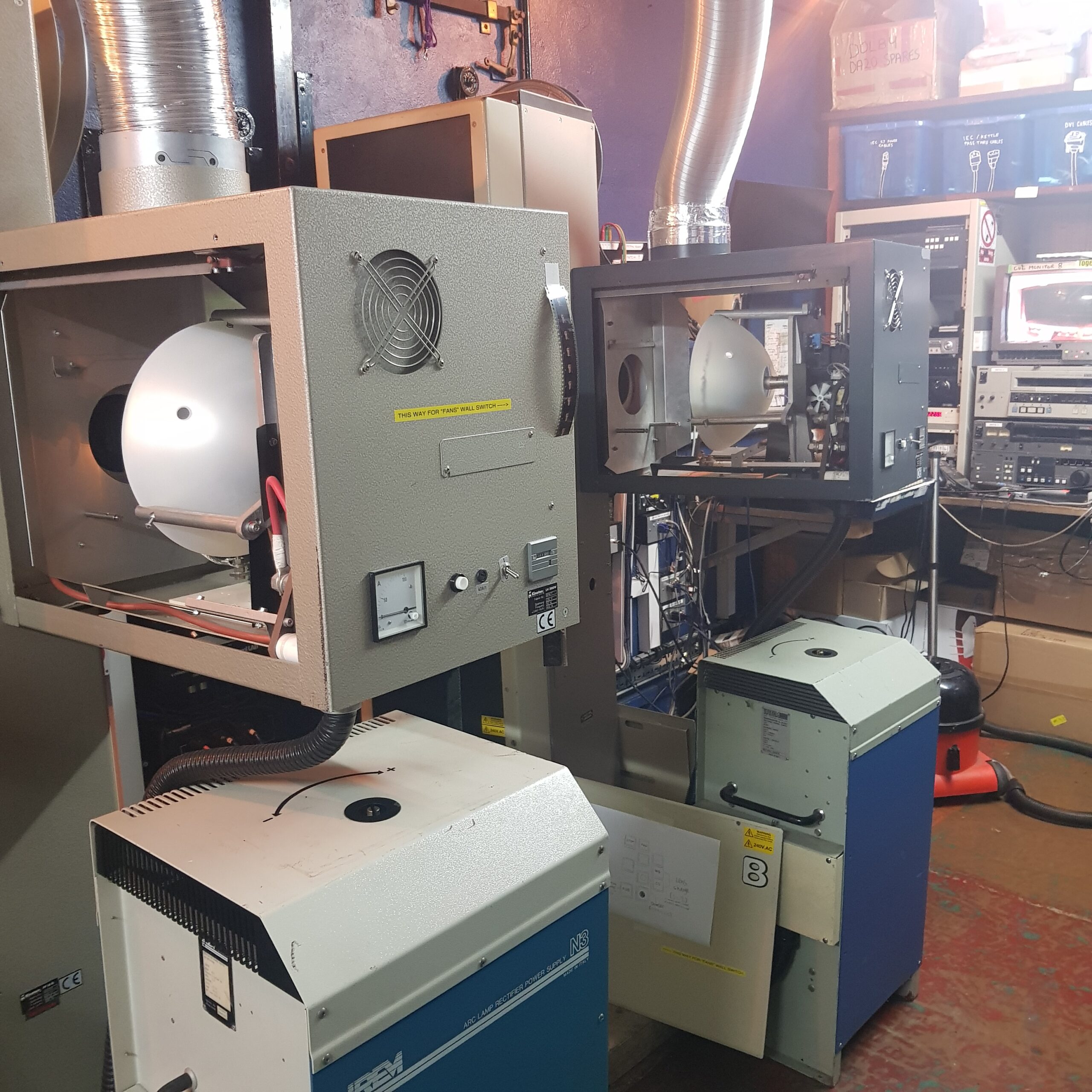
So after some successful use, the right hand side projector xenon lamp has started to refuse to strike. Each time it is struck it blows the 6amp fuse on the lamp house. Having experience with igniter units, tesla coils and the scary electrics involved I was fairly pessimistic about being able to fix this. Everything inside the lamphouse looked in good condition.
At first we thought the spark gap had popped because the right side machines’s clear chamber had frosted. However we learnt that this is normal.
But then a good friend of the Cube turned up and looked throught the circuit schematics. He ascertained that the assembly responsible for handling the mains to DC handover and the initial spark might be the culprit and offered to remove it for a closer look. Underneath was some carbonising which would exlain the failure to work. He took it away and cleaned it, repaired (already badly undertaken repairs) and resoldered. After we’d put it back in it fired up and all is good now!!!
Before.
After.
Heres the newly soldered component set and the two lamphouses undergoing checks and comparisons.
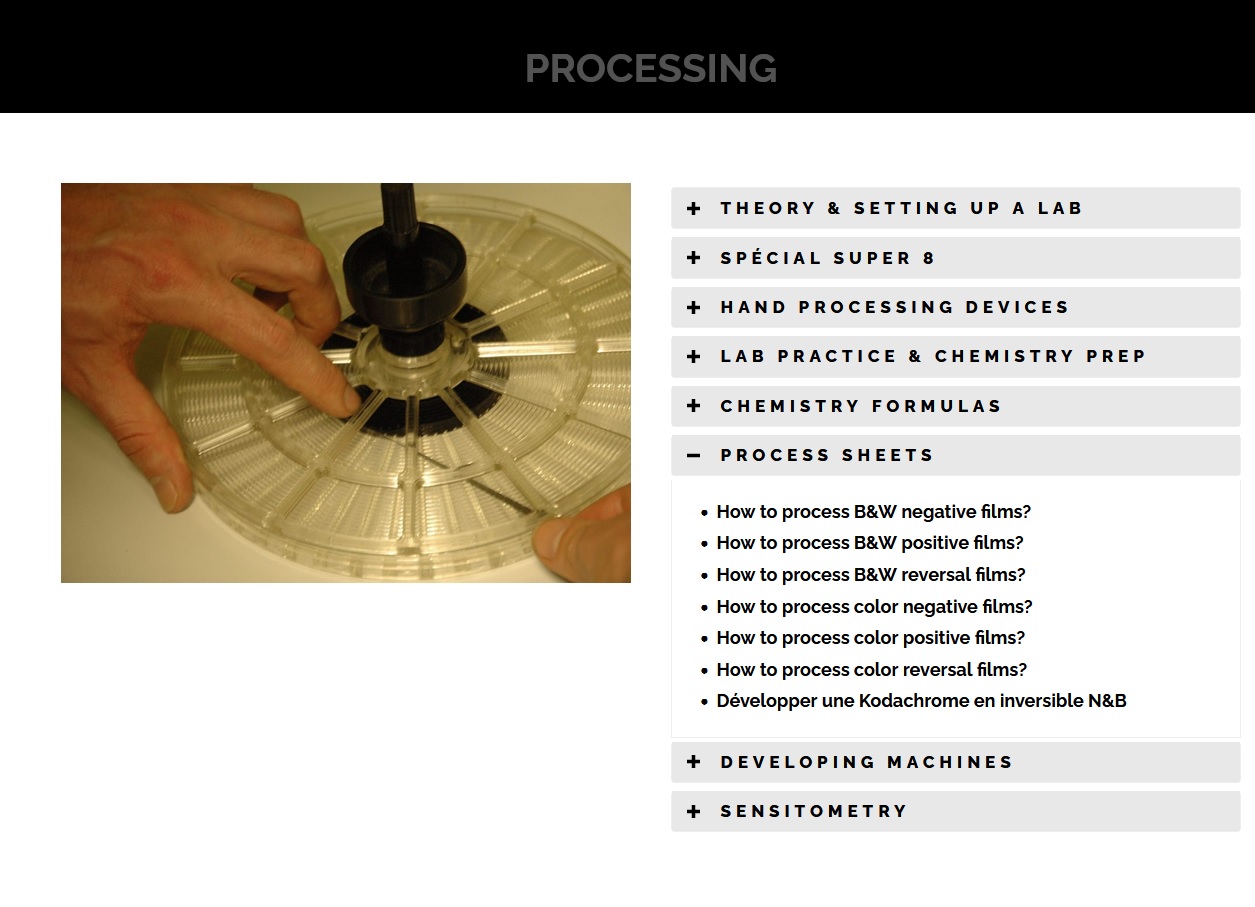
Really getting fired up and excited going through loads of resources at film labs website.
I havent looked at their website for a while so am blown away by all the work thats gone into this. Theres literally everything there you need to shoot, develop, project, etc motion picture film. Amazing, great work guys, keep it up!!!
Im giving a talk at this festival. see below. I’m revisiting some of my research that came out of the work I did on digitising the Curzon Cinemas nitrate clips. This involved looking closely at the mechanical operation of flicker as it occurs in reality in a projector in a bid to resist the erasure of a film projectors presence in digital file versions of film born material.
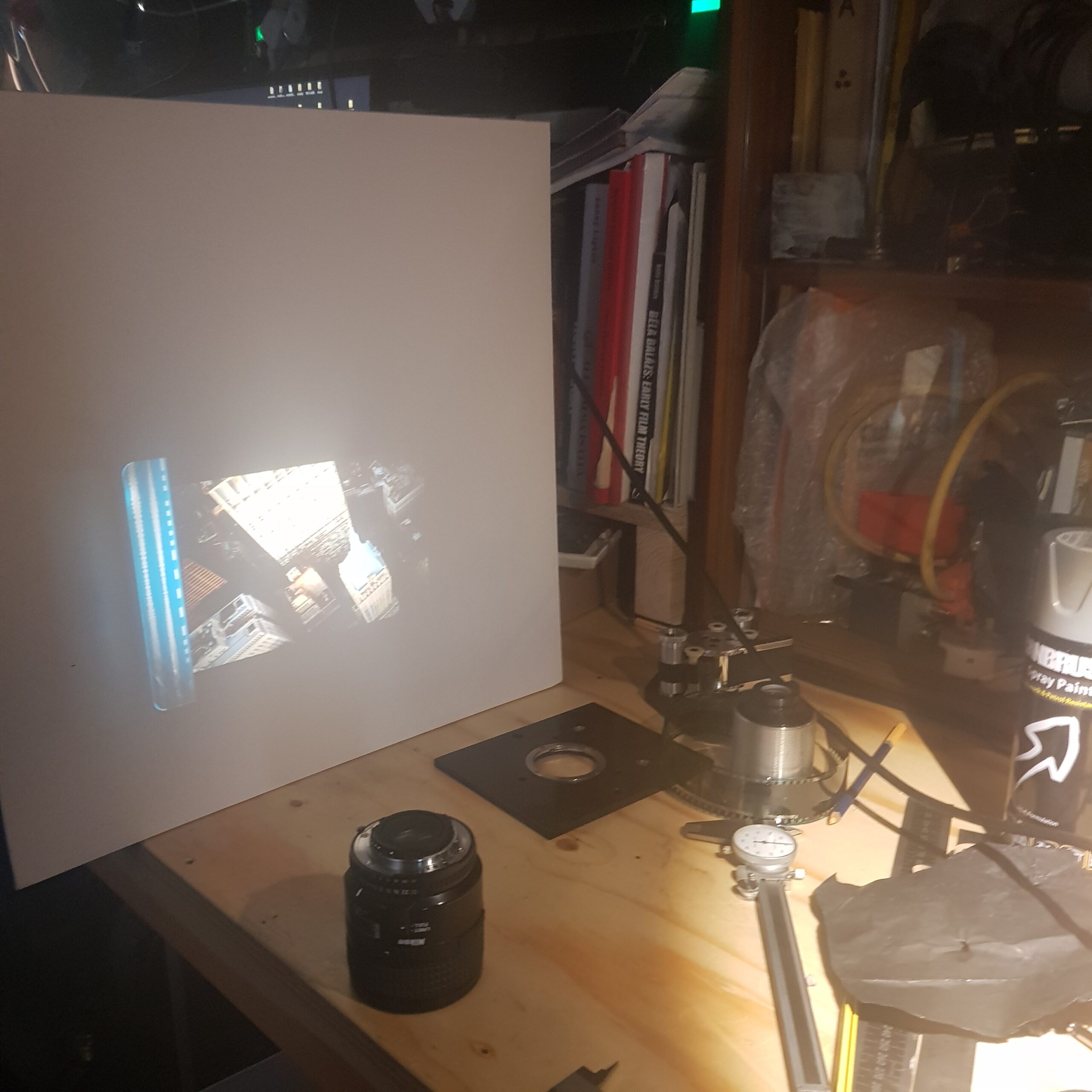
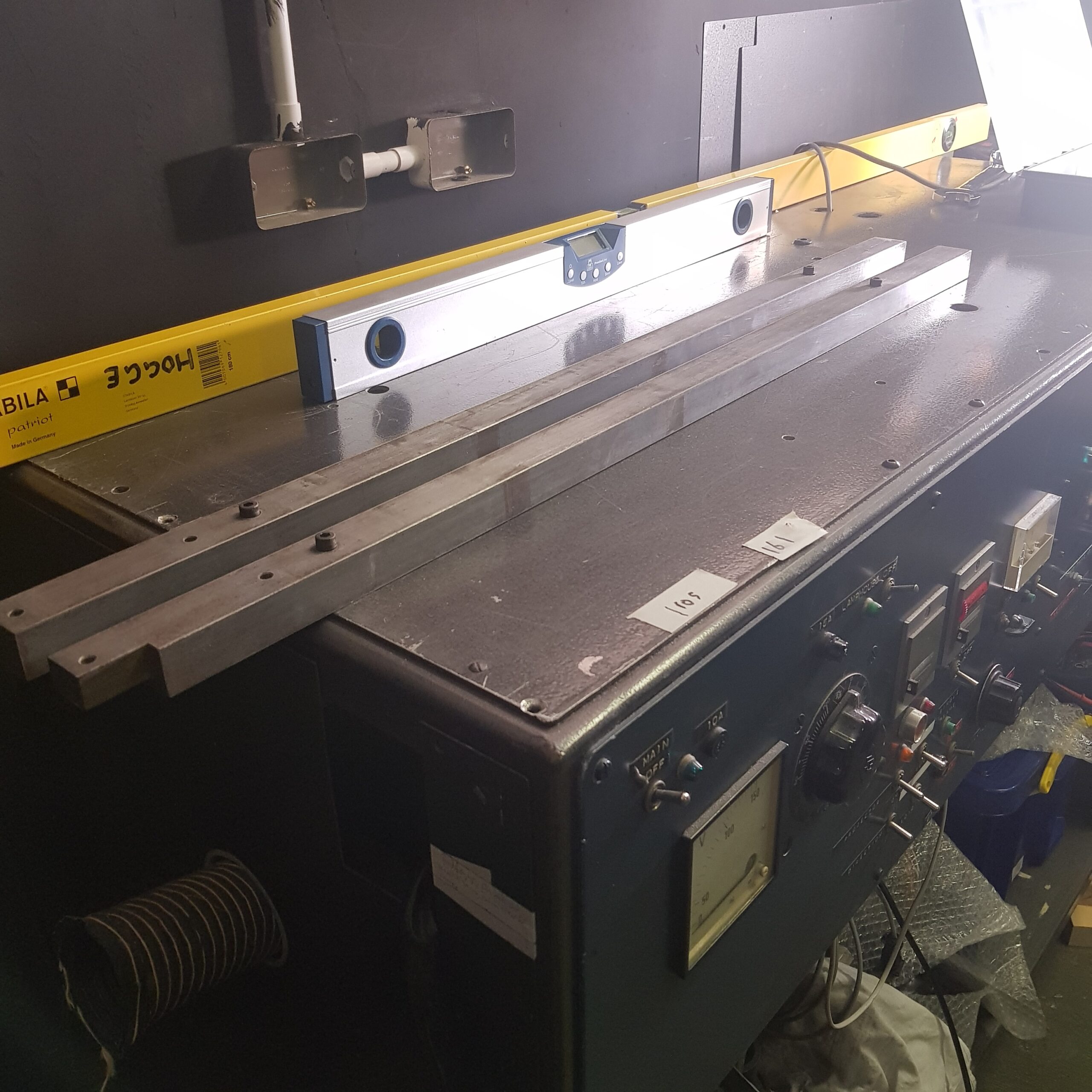
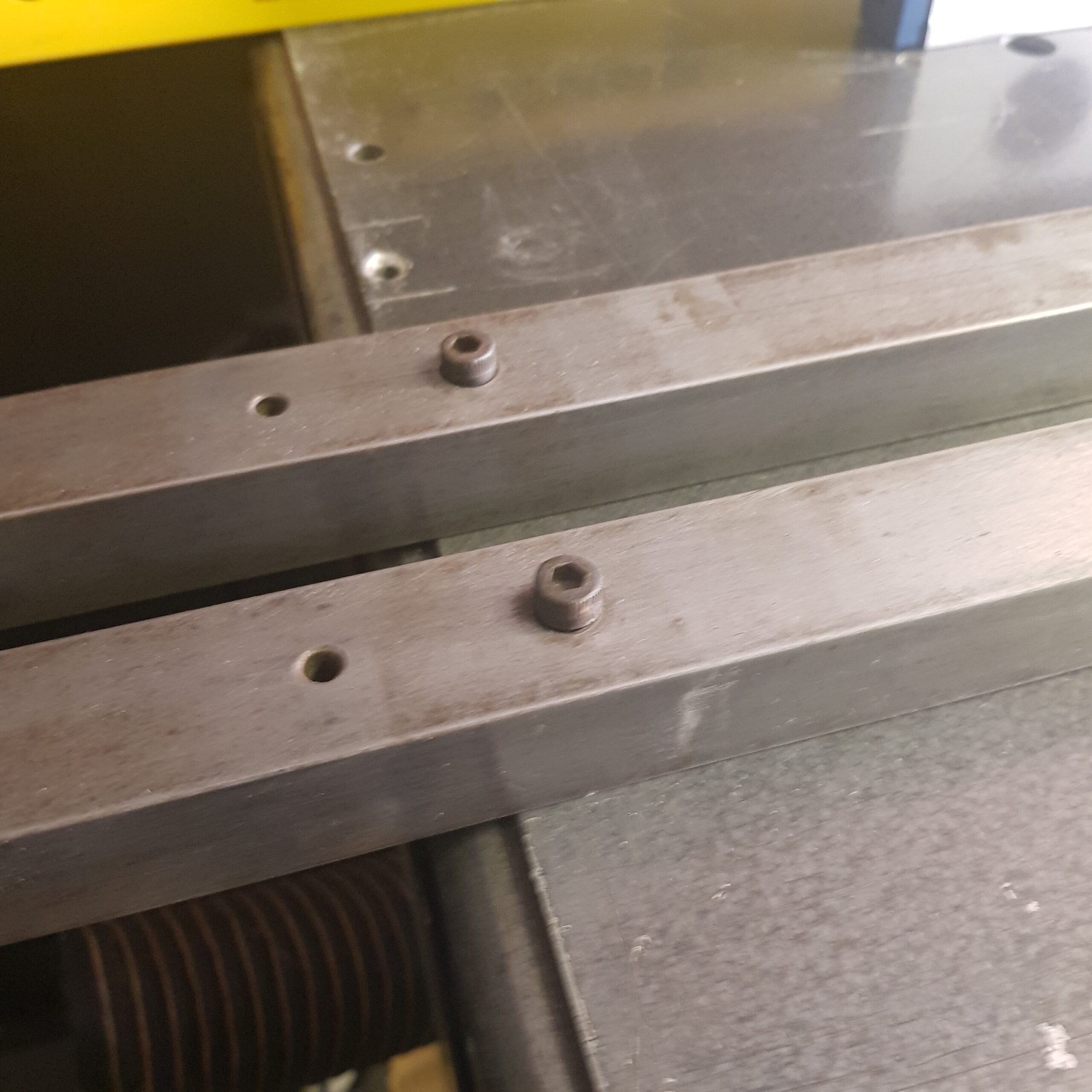
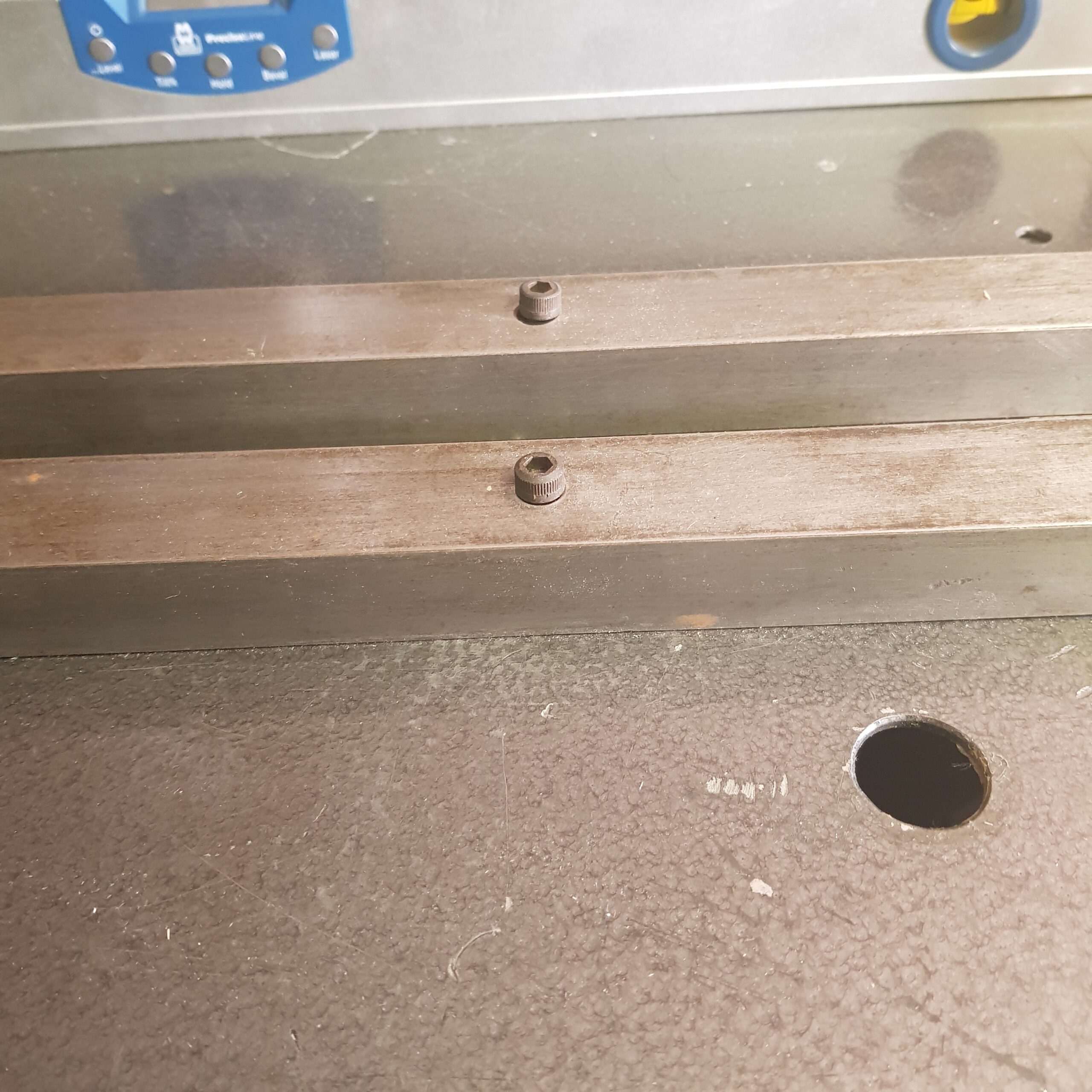
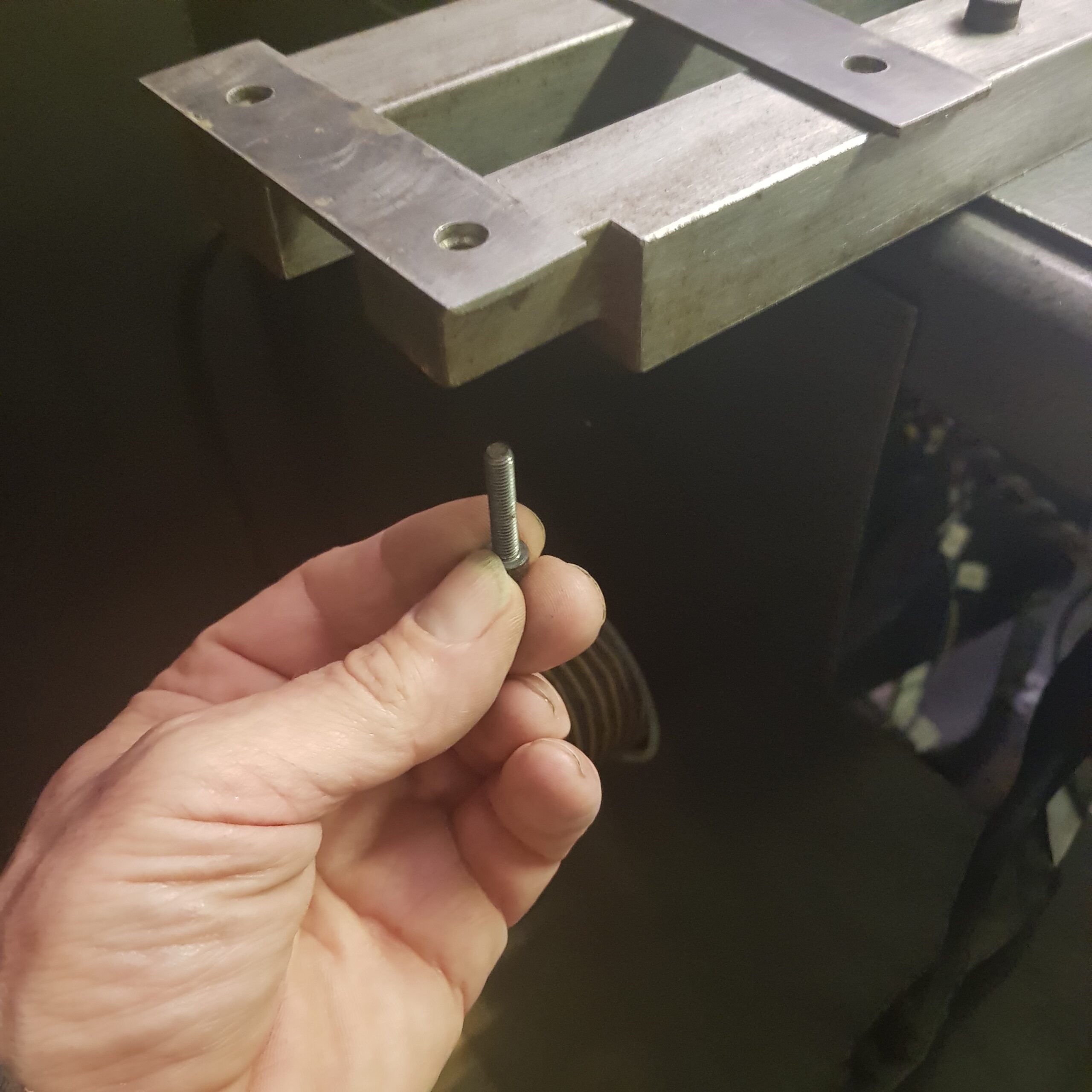
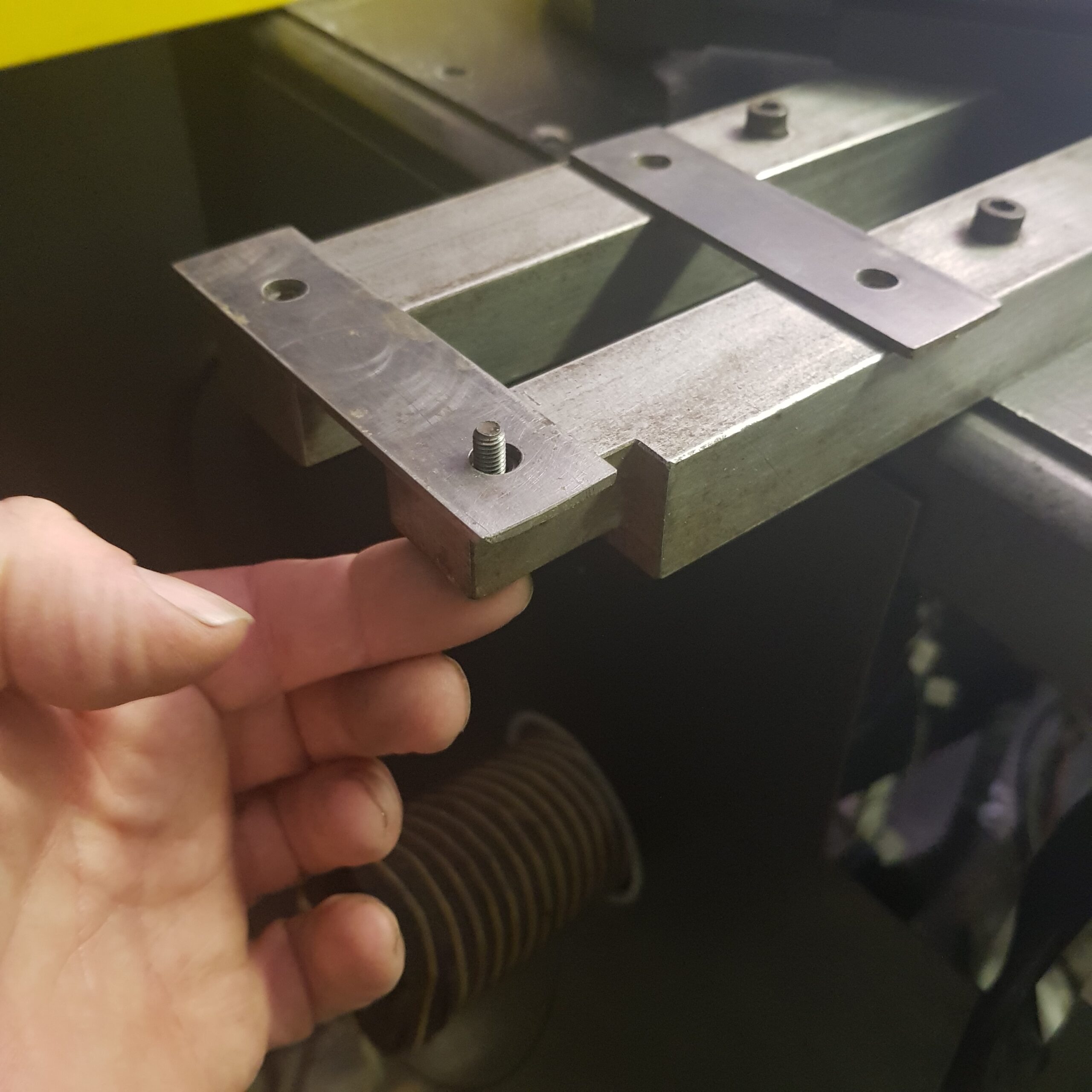
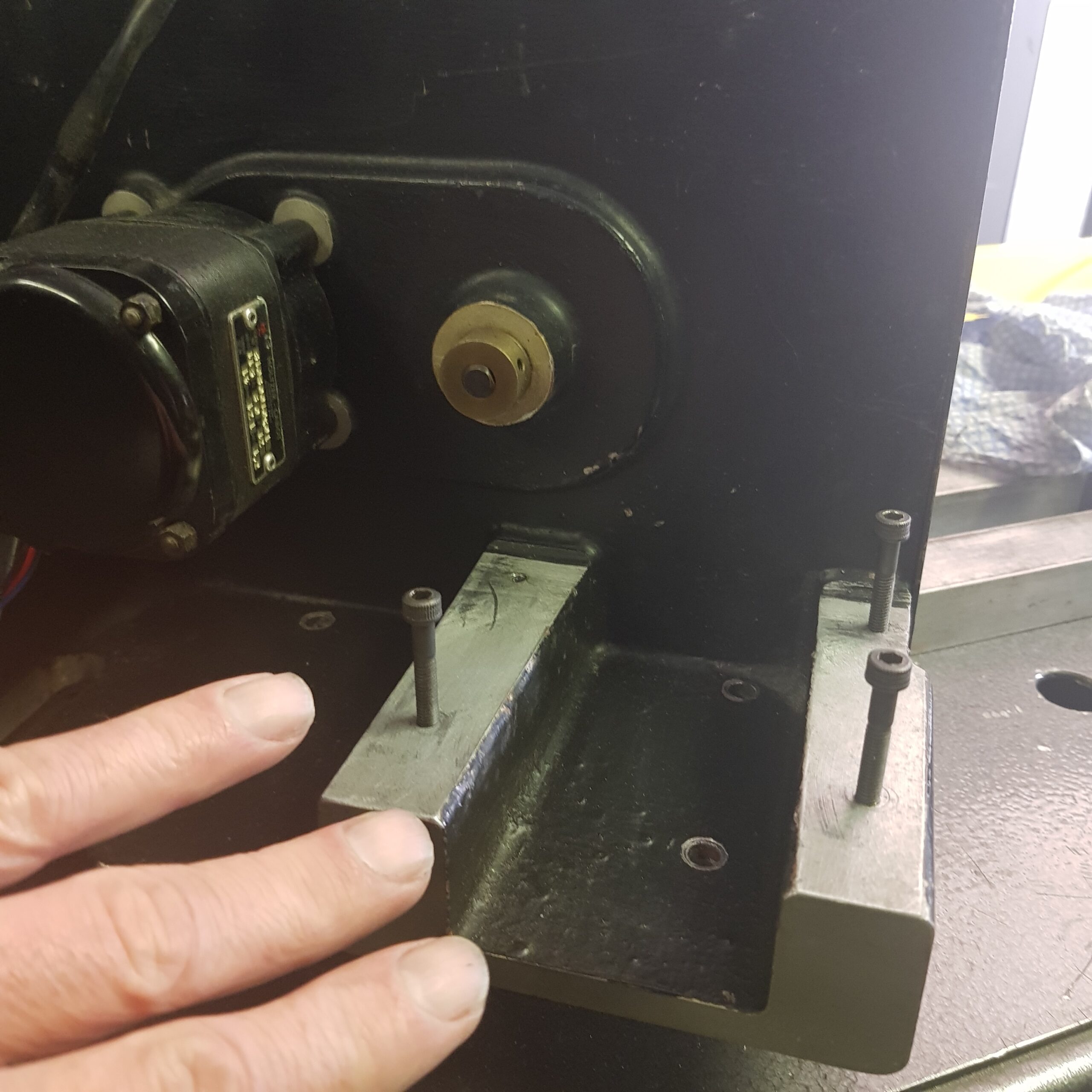
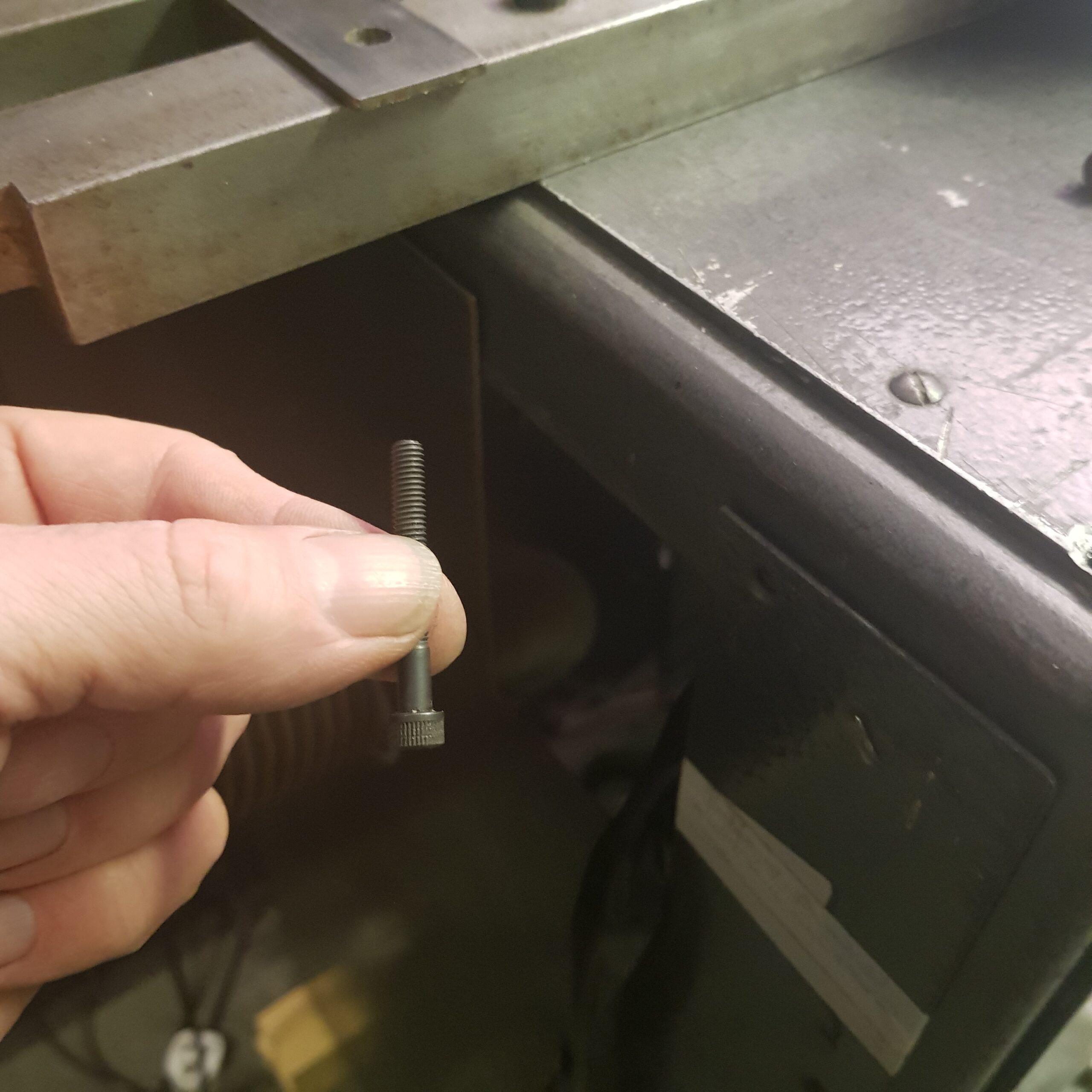
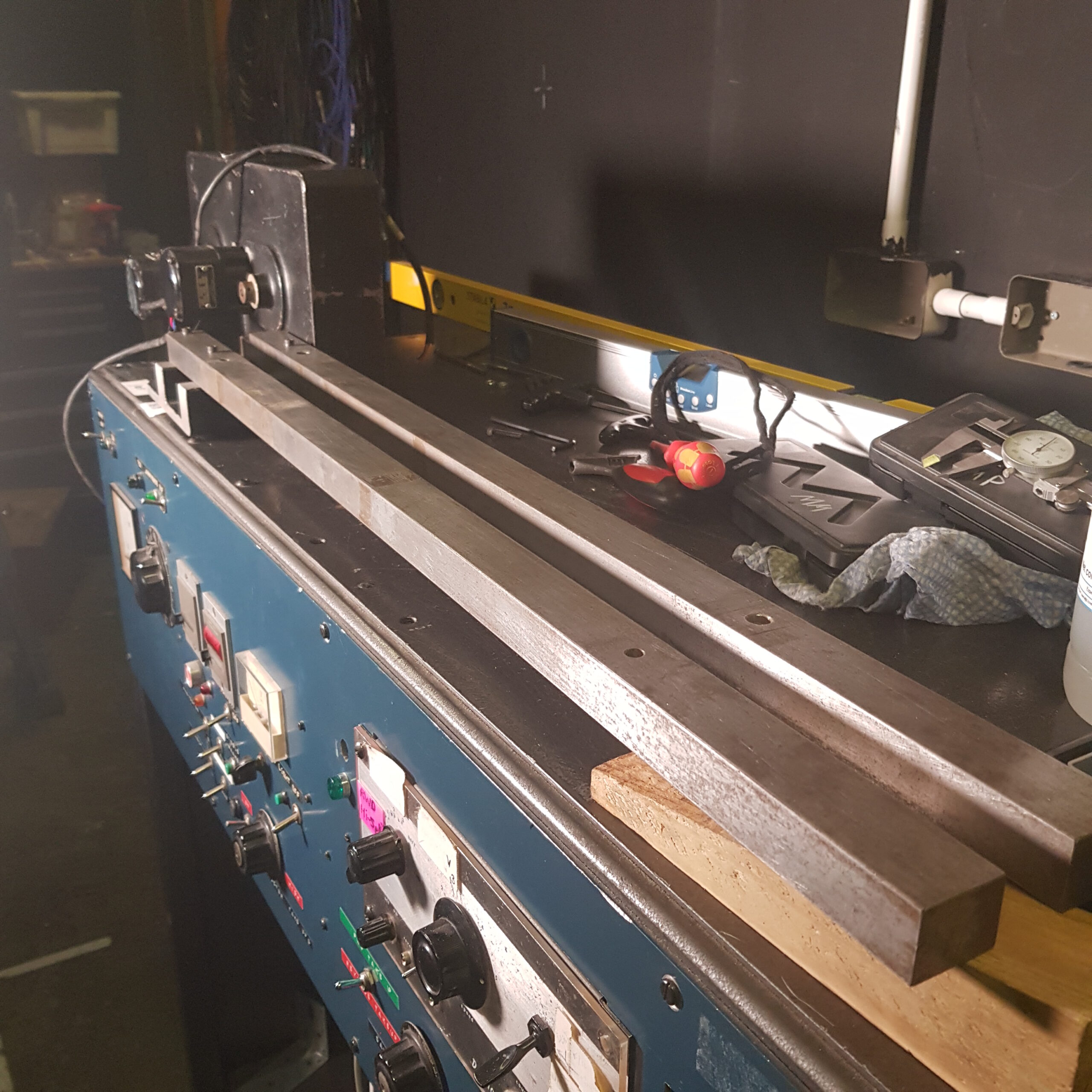
This is my chance to do a proper job aligning, leveling and improving this machine. From previous set-ups I’ve learnt a lot about what is wrong with the design. Heres a load of snaps showing the awkward assembly of the projector on two steel rails that just bolt to the top of the main frame. This part of the machine has to be assembled section by section as the machine screw location tolerances are high so its impossible to bolt together if you are also lifting/wriggling it around.
This could be improved by a new frame that spreads out more and includes screw-jacks to dampen/support the circular rails that the lens and camera move on, which wobbles like fuck, even when all locked off.