Amsterdam March 31st – April 3rd 2014
The future of Cinema may well look like the EYE in Amsterdam. All windows, views, vistas, angles, exploded shapes, discovery, a perfect staging of Cinema and Architecture.
Once in Cinema 1 though its clear that the basic same arrangement is the same wherever we are; screen, rake, projected images.
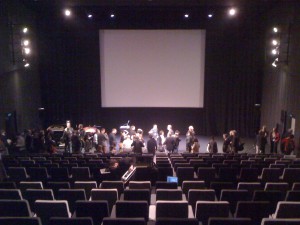
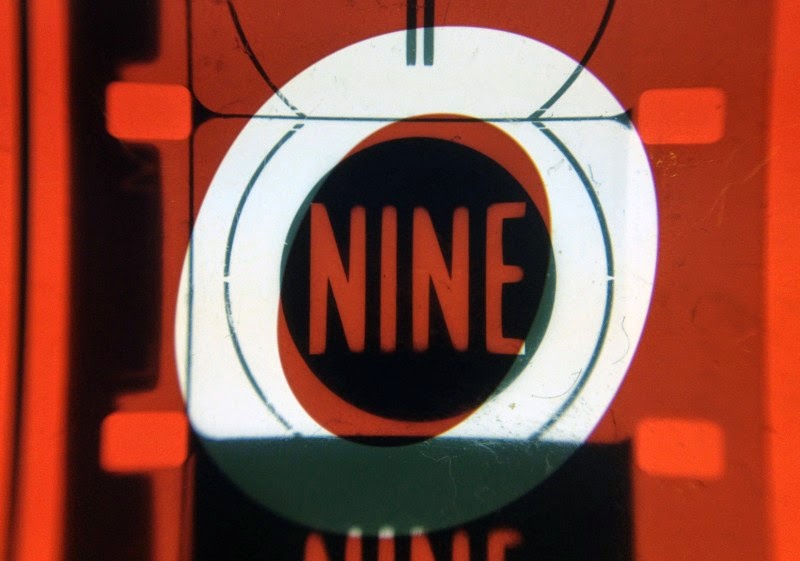
I’m here at the 9th Orphans Film Symposium. A Biennial meeting of film archivists, artists and technicians, historians, philosophers and preservationists. Orphans events up til now have all been held in north America and that’s because they grew out of the activity of various departments and people at the University of South Carolina. This Orphans is the first one in Europe. The theme this year is :
The Future of Obsolescence
The event begins on the Sunday with a screening of East is West, 1922. Fully restored and presented digitally in 4K (more later on watching [old] film material presented this way) the screening was accompanied musically by Stephen Horne who was on hand during the whole event and did a great job playing along to just about everything.
DAY 1
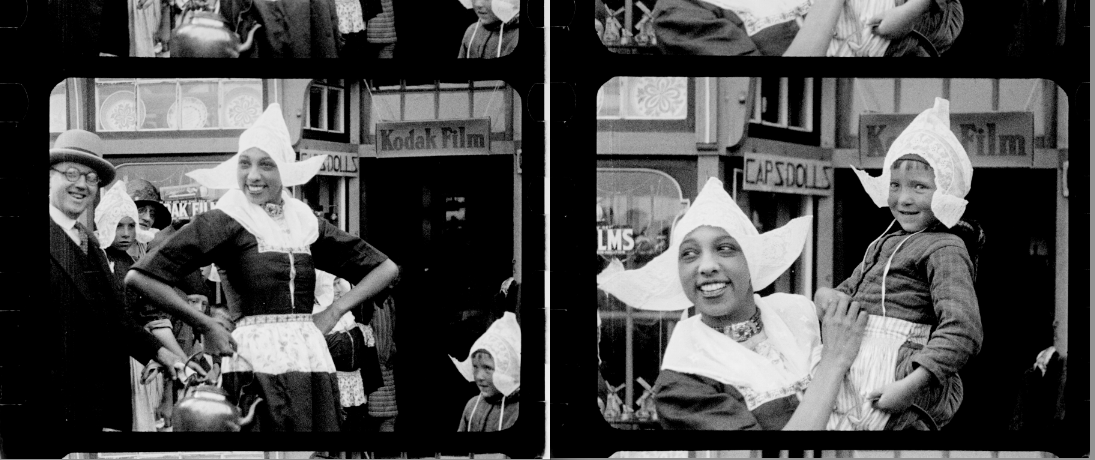
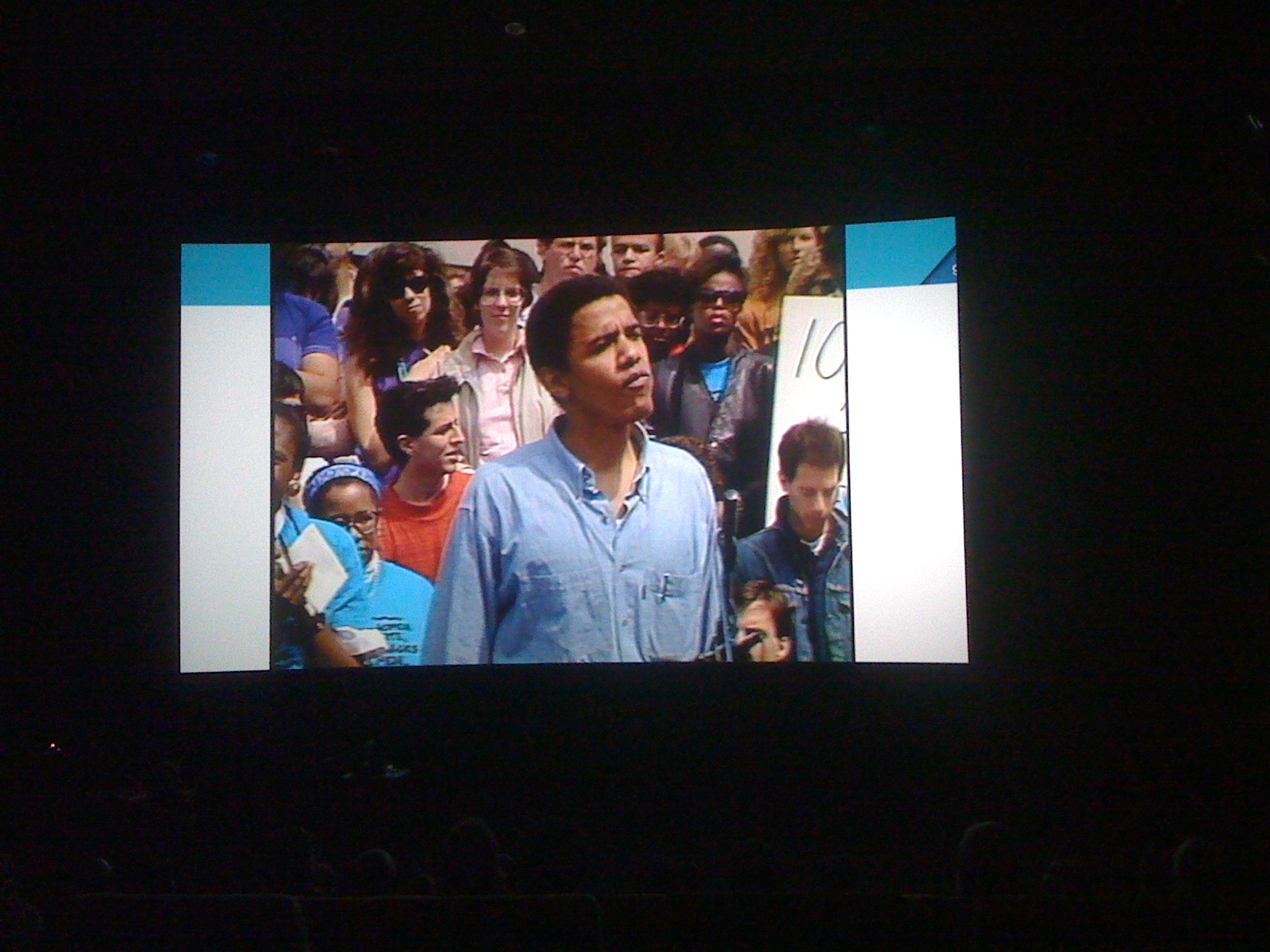
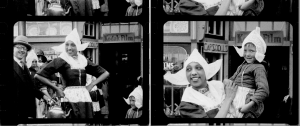
The main symposium starts on Monday the following day at 9:45 with introductions by Dan Streible [NYU] , Giovanna Fossati [EYE] and others. There is a screening of a short news clip ‘Jospehine Baker Visits Volendam’ from 1928 which becomes a typical offering of the event, moving image material presented that has been forgotten, abandoned or neglected but that shows great history, meaning and value in any field of study.
Thomas Elsaesser presents a talk on Obsolescence that was impossible to take notes to. Read his books and you can get an idea of his areas of specialty.
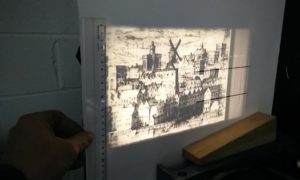
After a break there are a series of talks with screenings. Giovanna Fossati presents 2 clips of ‘A Pretty Dutch Town’. One a fully digital, cleaned, restored version that impresses most people. The second one a photochemical restoration of the same film, presented on film. The difference is marked. The original clip had been hand coloured with stencils and in the digital version this process achieves a kind of ‘modernisation’ where the process is perfected, hidden, realised. In the celluloid version, besides the obvious grain and more contrasty image the actual stencil process is evident by the clear areas that are coloured.
Simona Monizza [EYE] presents a very interesting project about how electronic, or code based moving image work by the late Bart Vegter needed to be reassembled from obsolete hard drives and computer programs thus demonstrating the increased need to approach ALL media forms from the perspective of restoration and preservation.
After lunch there is a performance presented by various people from University of Groningen and Luxembourg and Maastricht called ‘Staging The Amateur Dispositif’ wherin various decades and eras of family home movie usage are humorously staged by an assortment of amateur players [drawn from the symposiums atteendees by the looks of it].
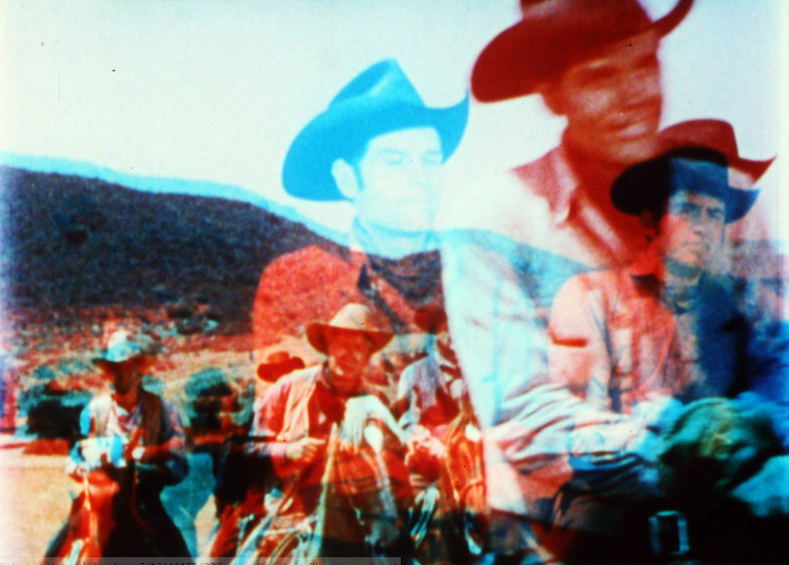
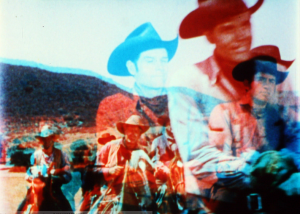
The later afternoon session sees presentation about lost leaders by Matt Soar. A talk by Benedict Olgada and Bill Brand about the restoration of ‘Tabula Rasa’ by the enigmatic Henry Francia 1968 and a colourful and hilariously surreal performance by Walter Forsberg and John Klacsmann from Anthology Film Archives where they do an improv noise soundtrack over one reel of a misregistered technicolour print of The Ride To Hangmans Tree 1967 where colour layers are out of synch producing a psychedelic blurry ghosting.
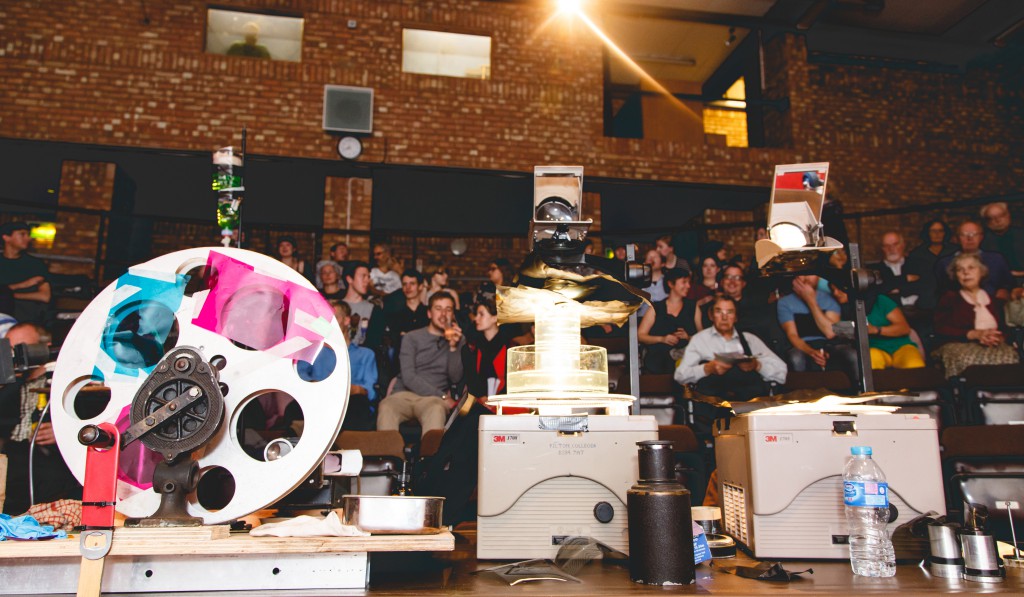
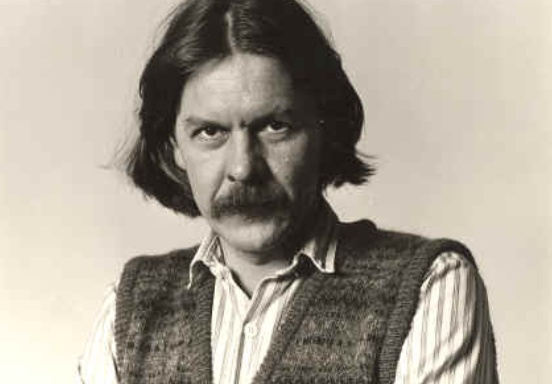
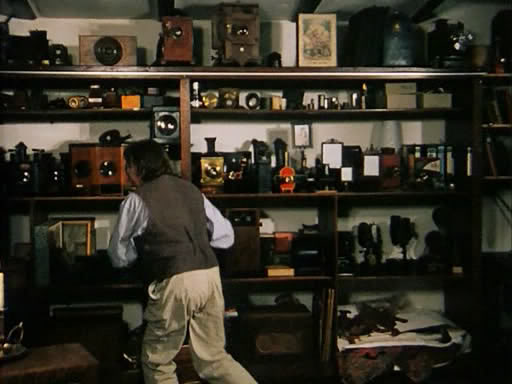
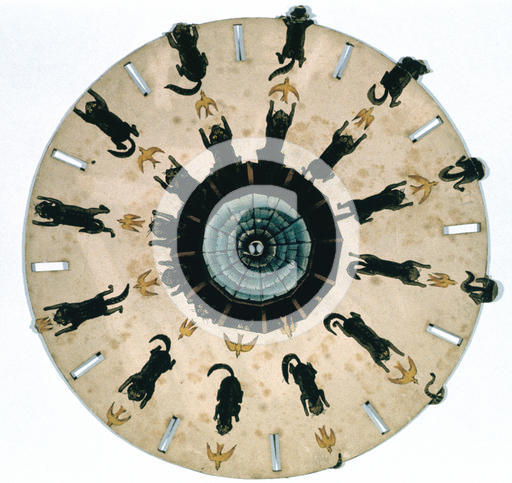
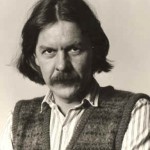
After dinner everyone returns to have the treat of seeing a large table on stage full of some pieces from Werner Nekes amazing early cinema collection with optical curiosities and toys. He is the Orphan9 recipient of the Helen Hill award and receives the award from Jodie Mack and Becky Lewis humbly.
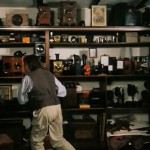
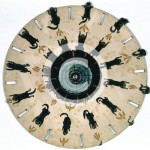
Bill Morrison shows some beautiful super8 footage from a train ride in South America and Doug Goodwin [CAL Arts] shows a film about Ted Serios and Thoughtography.
After Werner had talked and toured everyone through some of the collection there was a screening of his early experimental film ‘Start’ 1966
restored from 16mm and presented digitally.
DAY 2
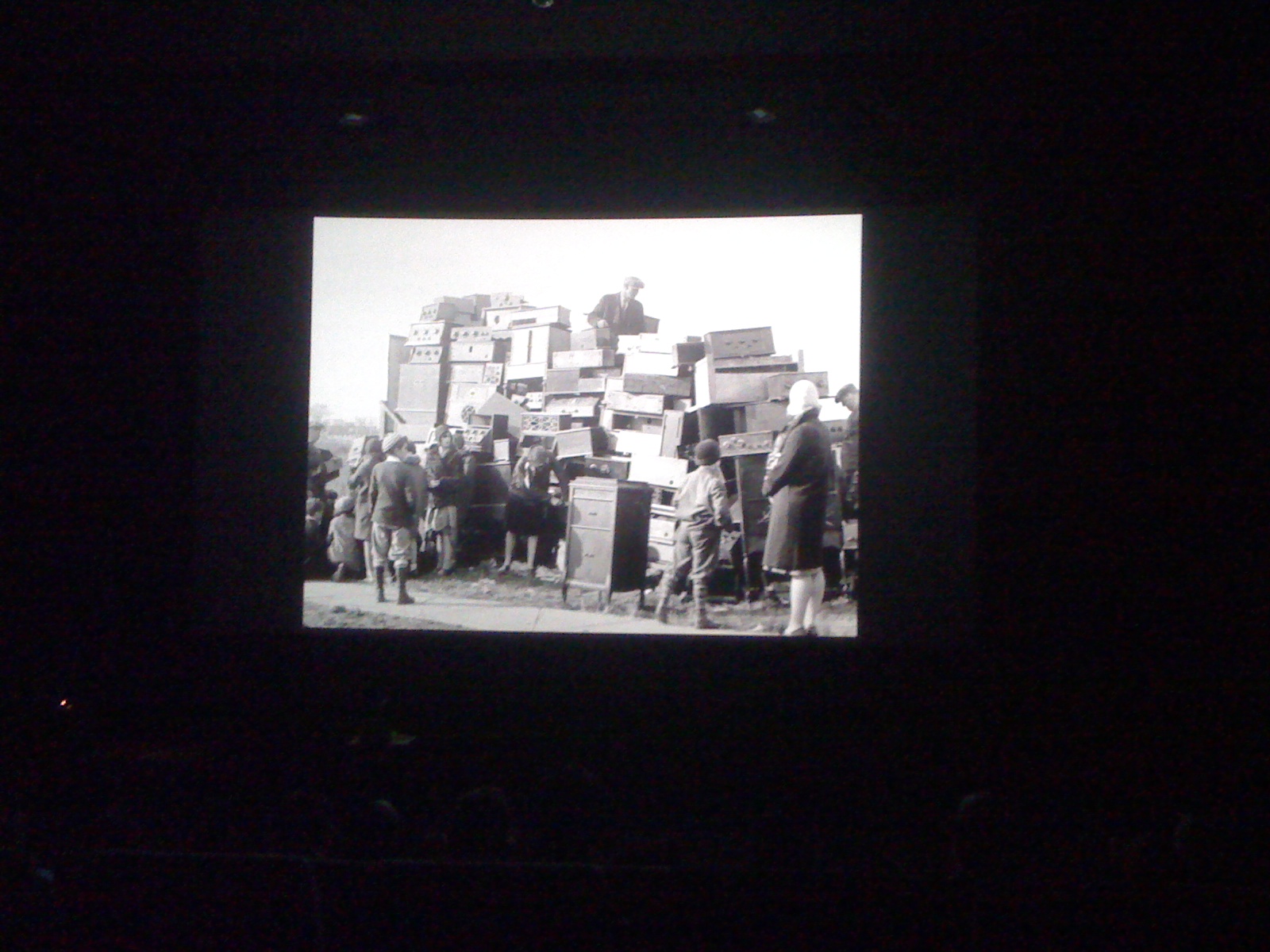
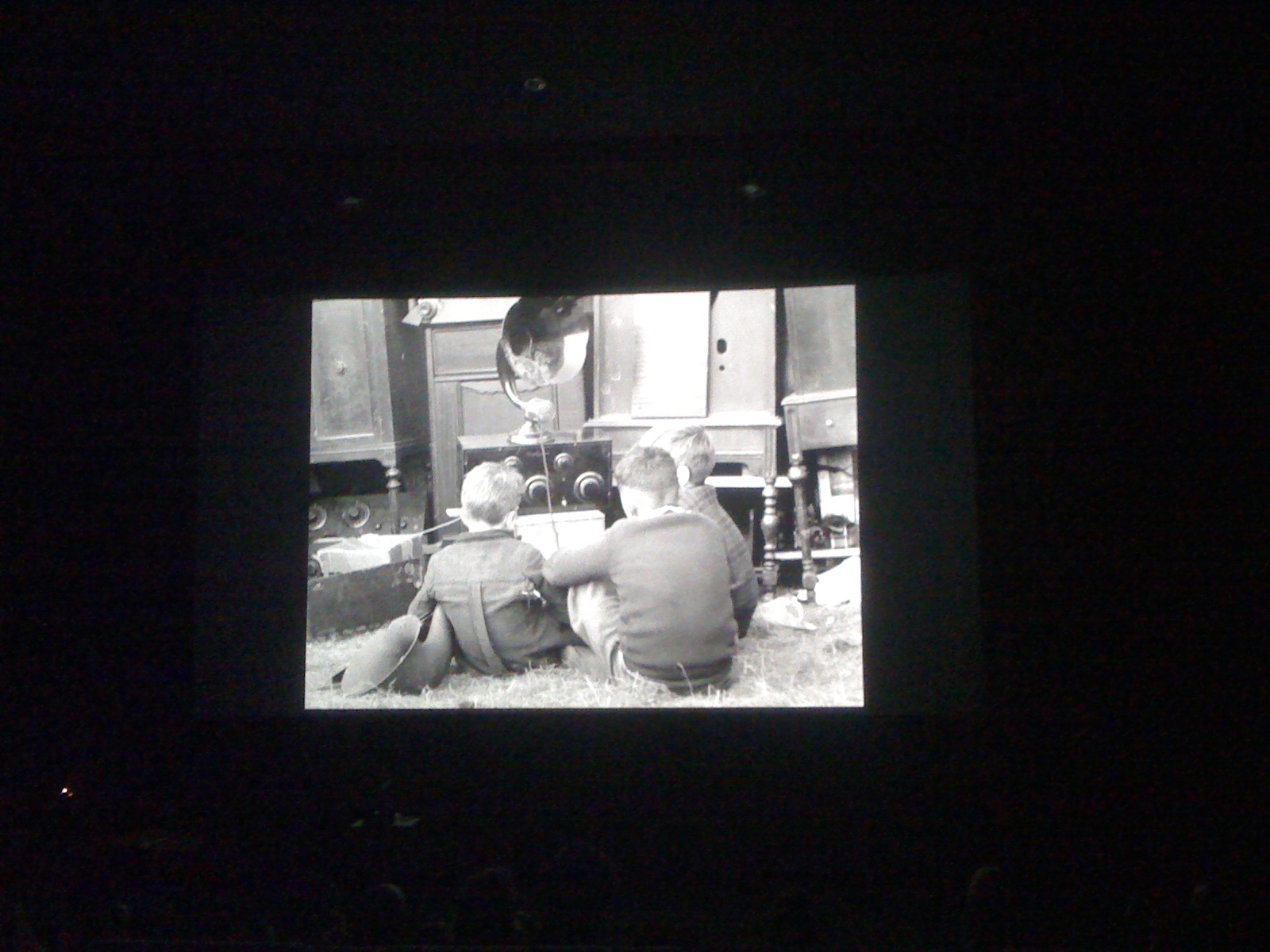
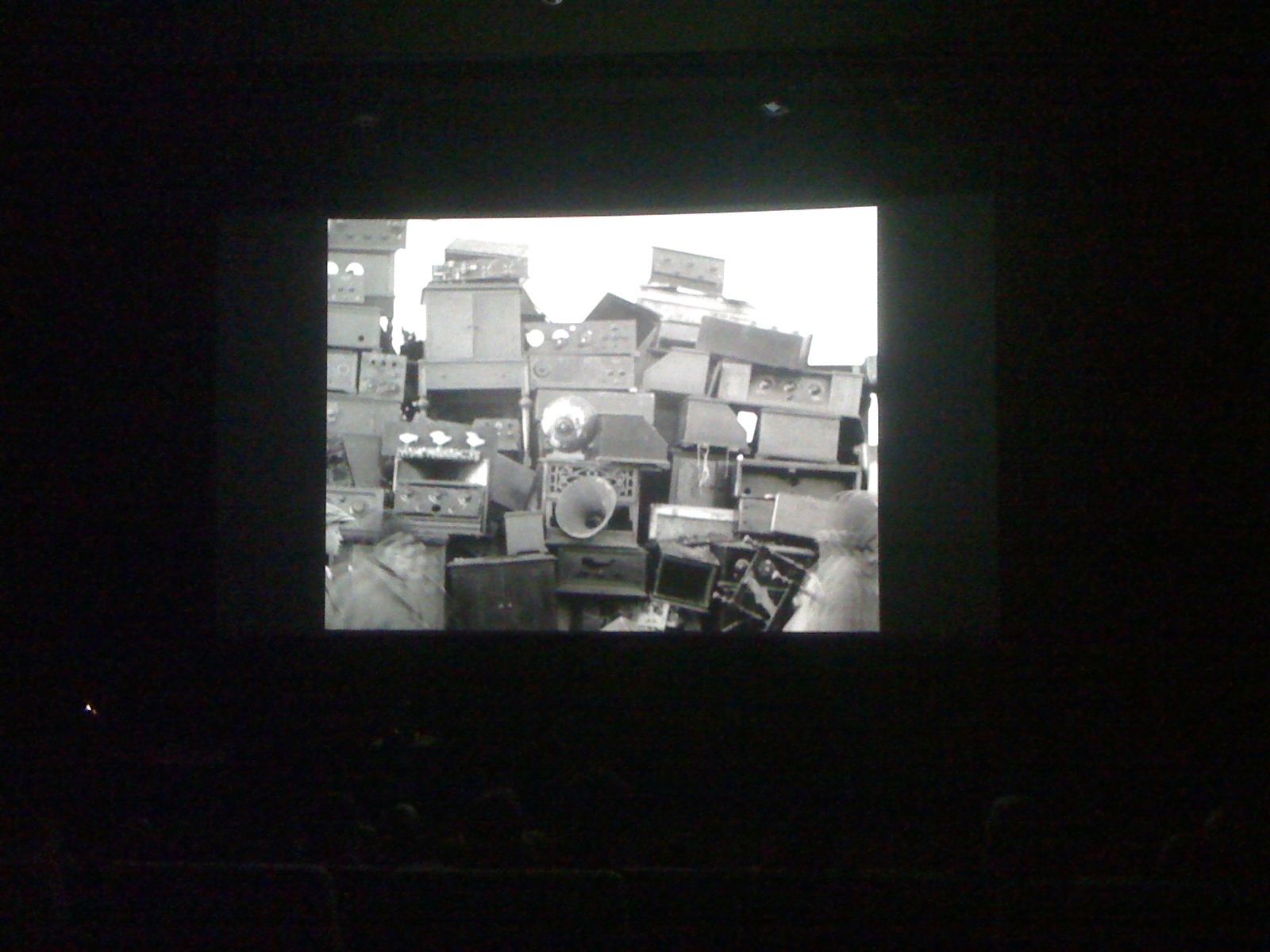
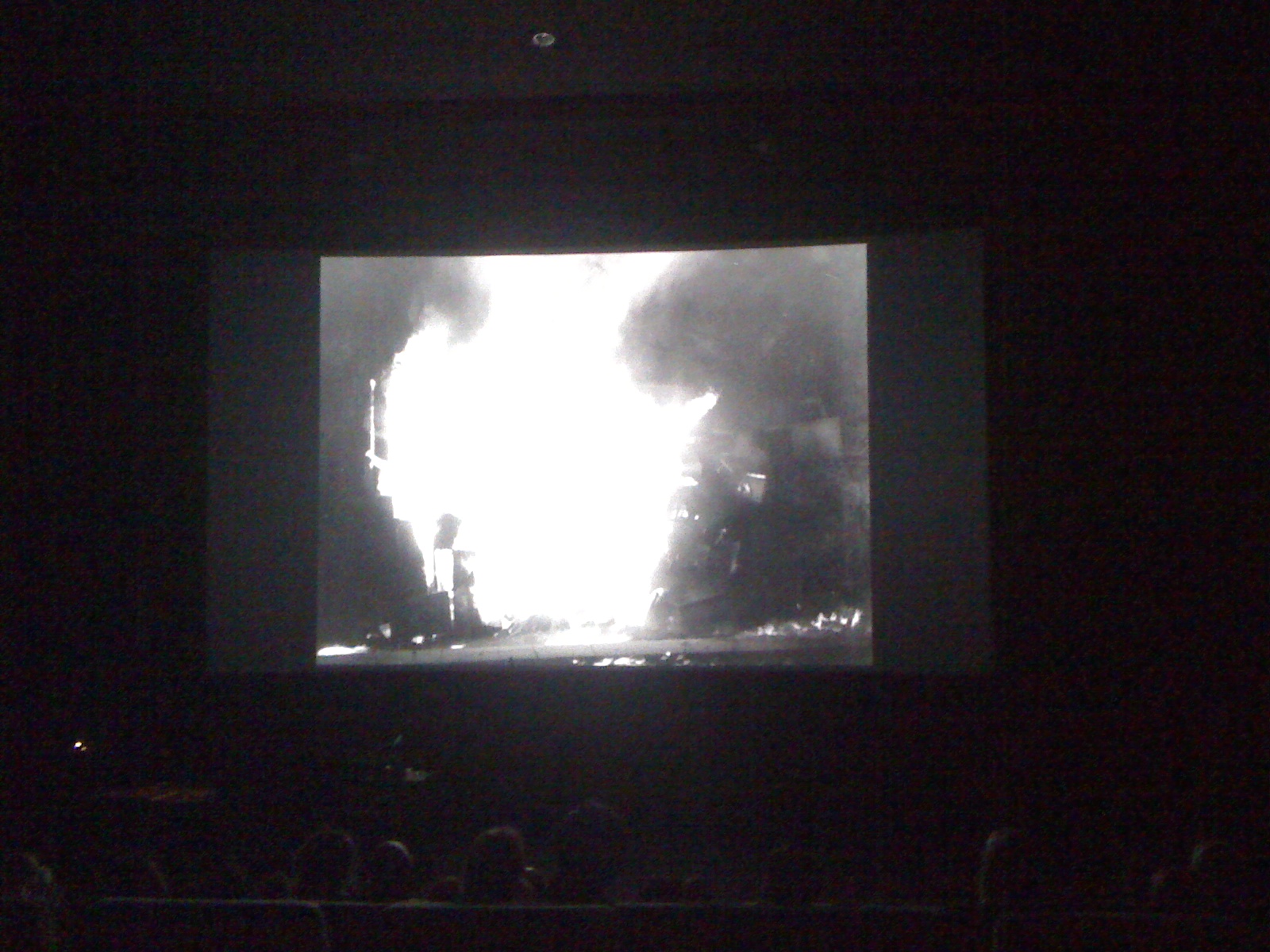
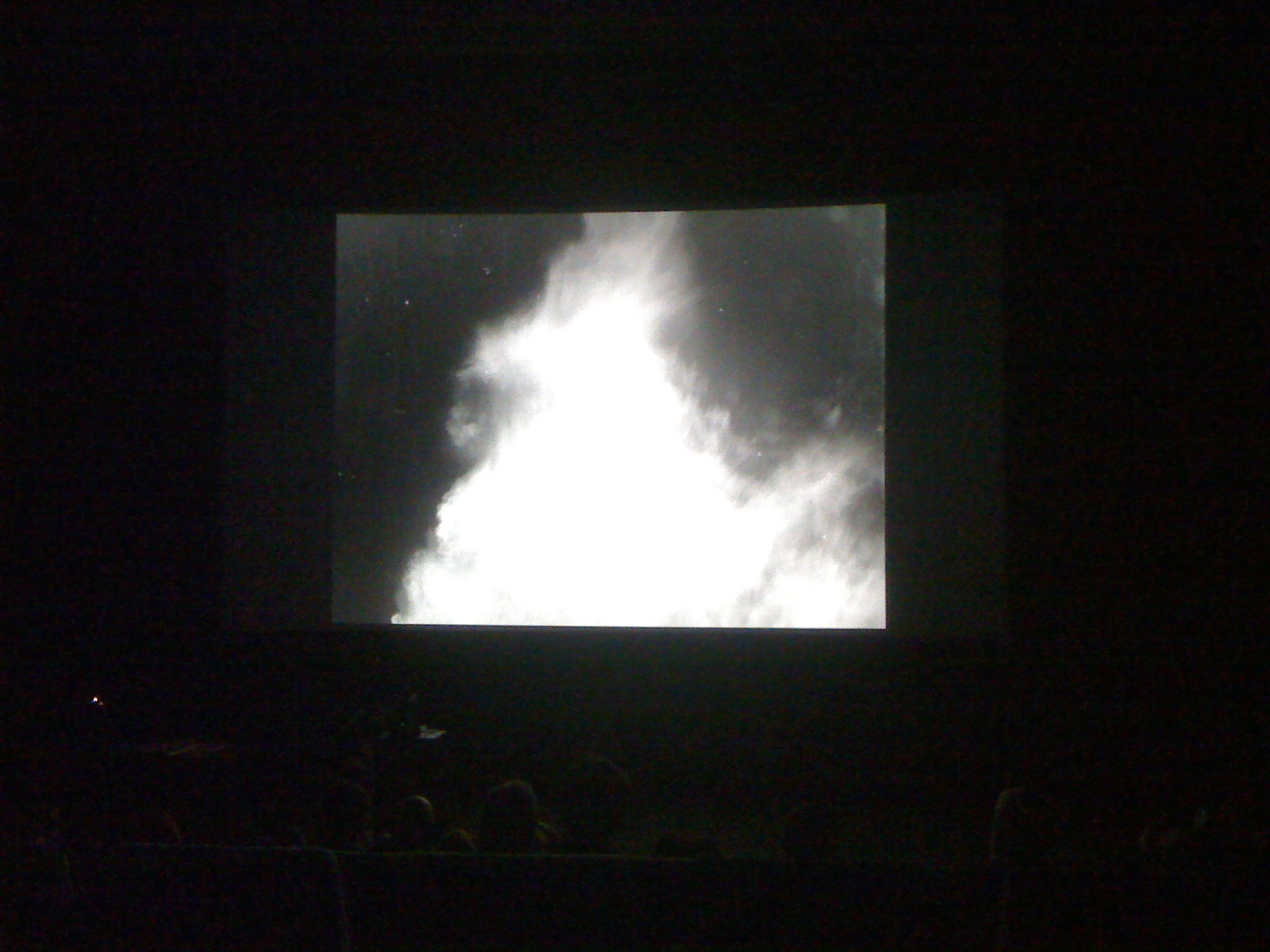
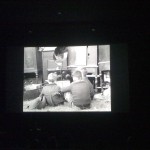
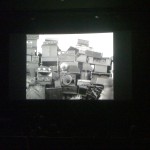
In the morning we are treated to an amazing piece of footage. Scanned from its original 35mm, a film called ‘Radio Bonfire’ can only promise something quite spectacularly peculiar and unbelievable. The sheen of its restored black and white and the sharpness and gritty aura of its analogue soundtrack all add up to something so good that one could almost imagine that it is a restaging, an Artists performance event. No, its a Fox-Movietone news reel from 19?? that shows exactly what it says on the tin. We see a big pile of old valve radio sets and a gathering crowd of people as more sets are unloaded off a van onto the am Mountain. A cluster of kids sit around one and discovering that it works talk about taking it home.
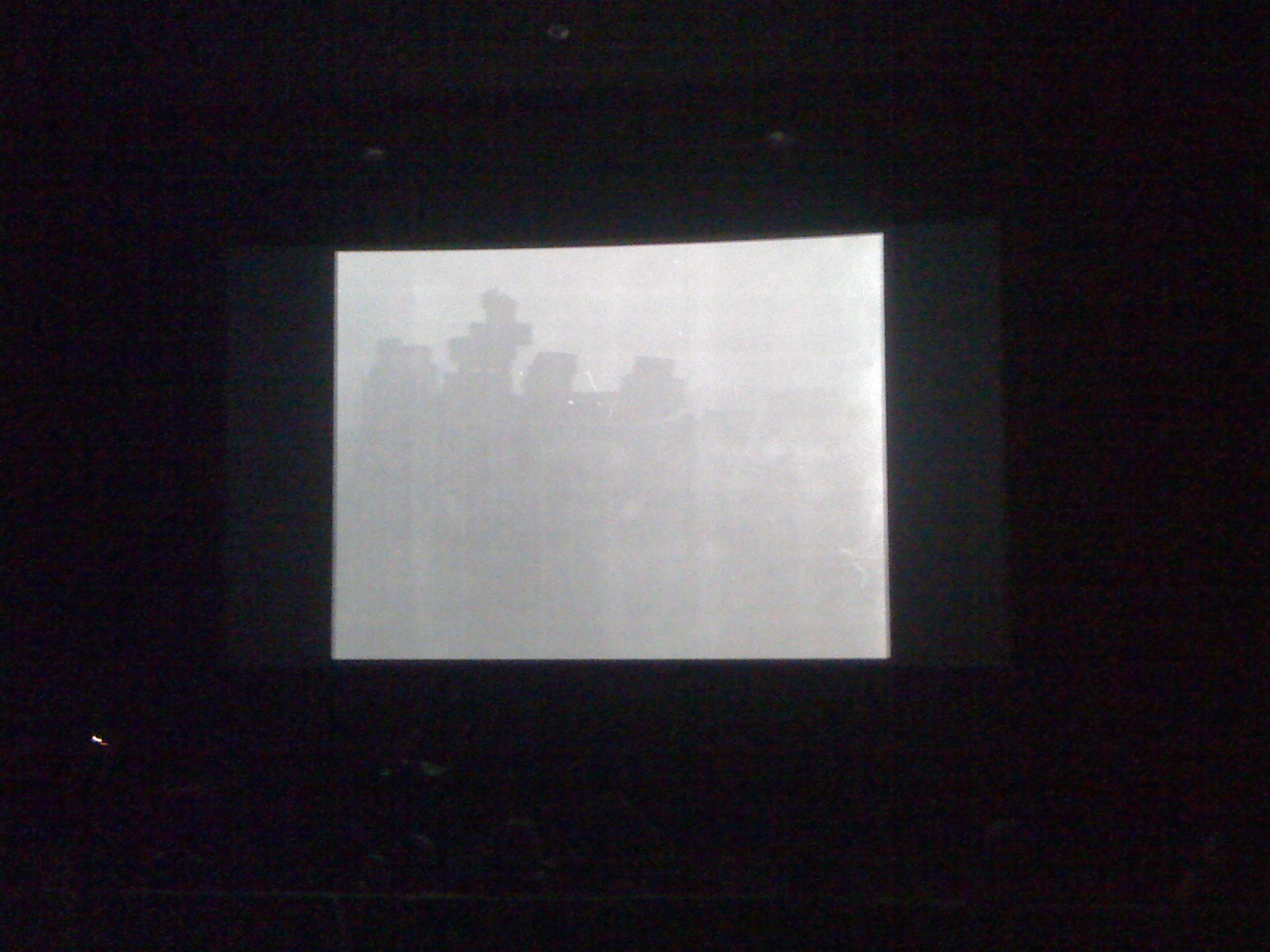
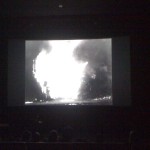
Then a burning rag appears and torches the whole lot! The crowd cheers and wails as the crackle and imploding furnace of radio electrics rages on into the night. If only they realised that each set would be worth hundreds of dollars today!
Perhaps one idea how to approach obsolete media??
This mornings proceedings kick off with a talk about Metadata by Mark G Cooper from U of South Carolina. This is interesting and dense and
there are many useful initiatives going on to help link Cinema related data together like the excellent Cinema Context and the US based Going To The Show.
Another thing interesting here is an example of ‘edge to edge’ scanning of film elements in order to reveal meta-data that is evident on parts of the film strip typically not visible during/on projection.
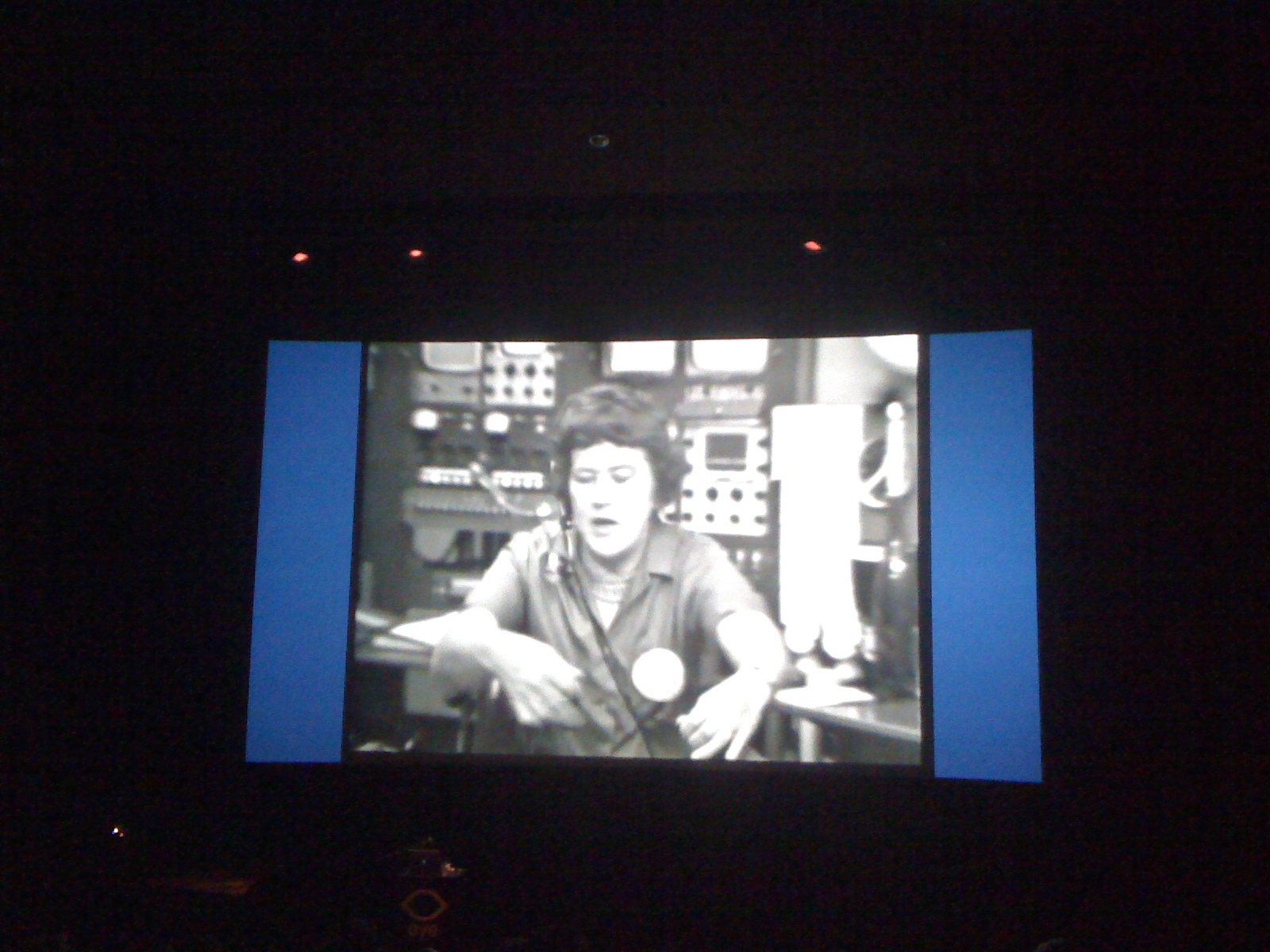
Karen Cariani from WGBH Archive presents a talk about obsolescence in tape formats and shows the kinds of material available on pre-broadcast recordings that never made air time due to limited scheduling and strict editorial.
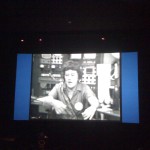
Mark j. Williams from Dartmouth College finishes with another dense, database, meta-data driven talk/demo about the Media Ecology Project that seeks to provide more and better scholarly access to historical media.
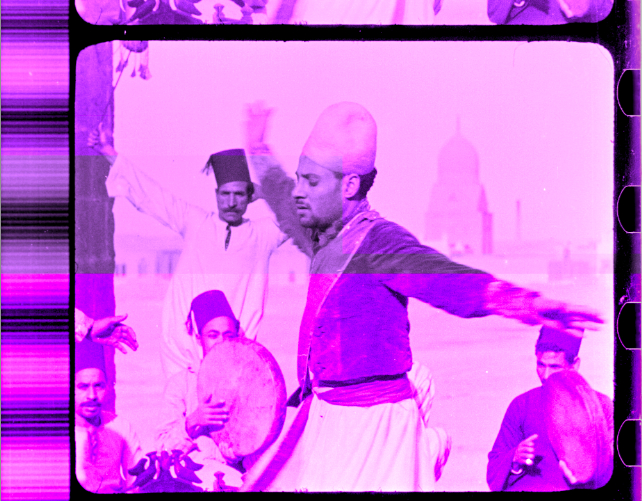
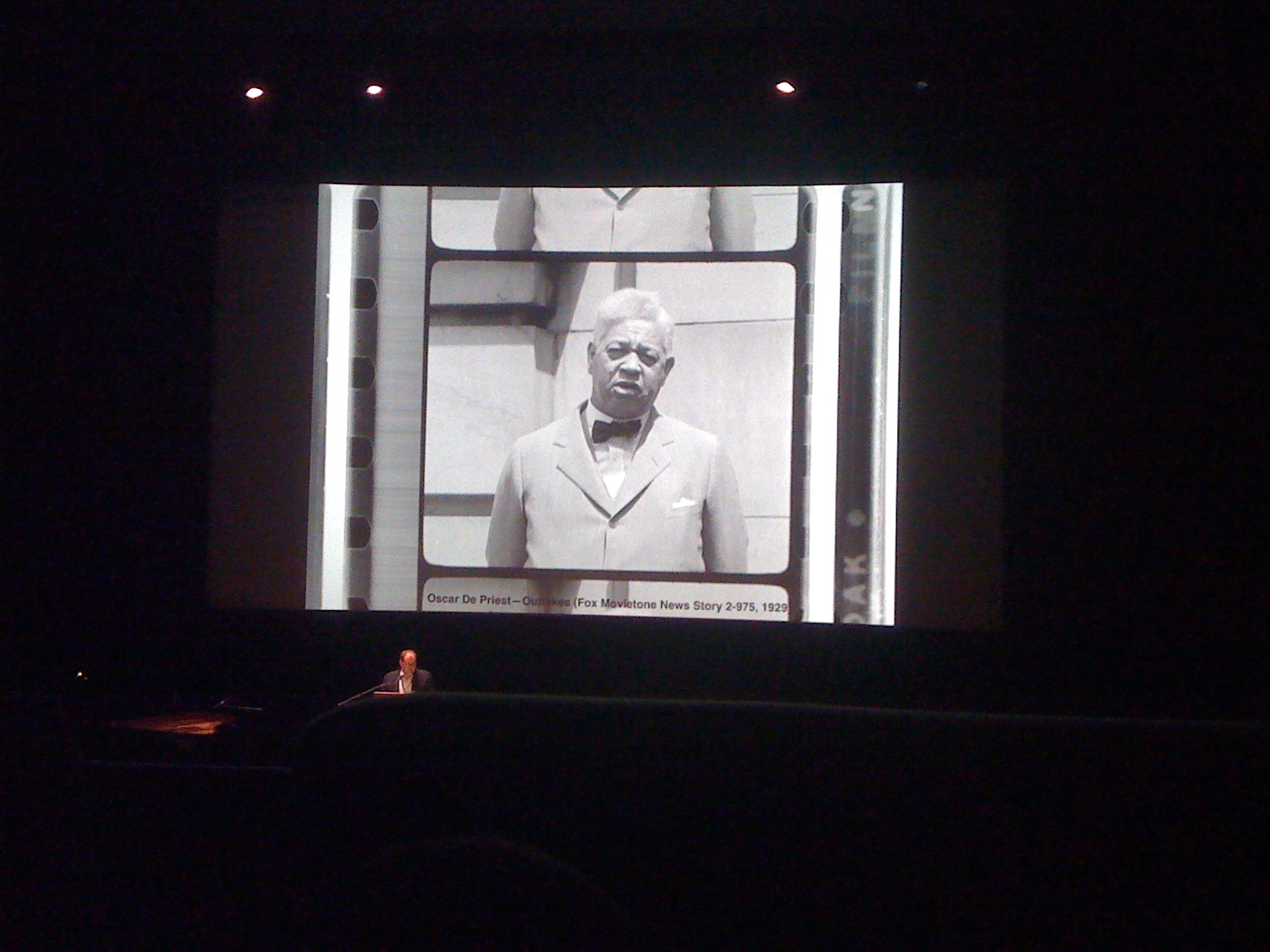
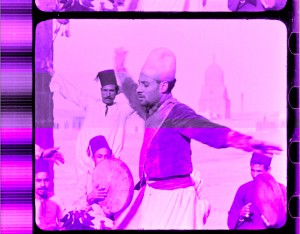
After a welcome break we return to hear Bill Morrison talking about a piece of Fox-Movietone film from 1928, Egyptian Dancers (Whirling Dervishes) that he has used in his films.
This leads into a lively show by Evan Meany about his residency at a nuclear research facility. He talked about Bit Rot and Gravity Wells which ultimately effect the loss of electrons that constitute data and data storage. Addressing the idea and notion of obsolescence and preservation he and a team at the Oak Ridge facility developed a project called ‘Big Sleep’ where material digitised as data have an infinite storage life but the condition is that it can never be accessed again. Ever!
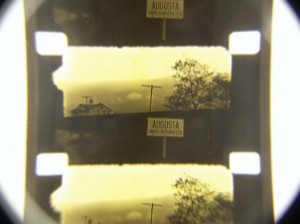
Heidi Rae Cooley then gives a presentation about a project that uses GPS and image tagging to create a distributed network of pictures labelled ‘Augustus’ after an amateur photographer in the 1950s who was obsessed with the word ‘Augustus’, the name of his home town and who travelled the land photographing anything called Augustus. see Augustus App
————–
After lunch (provided by EYE and the symposium, many thanks) we come back to an afternoon programme of films and talks about amateur films and workshops from the Eastern Bloc.
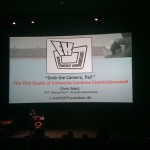
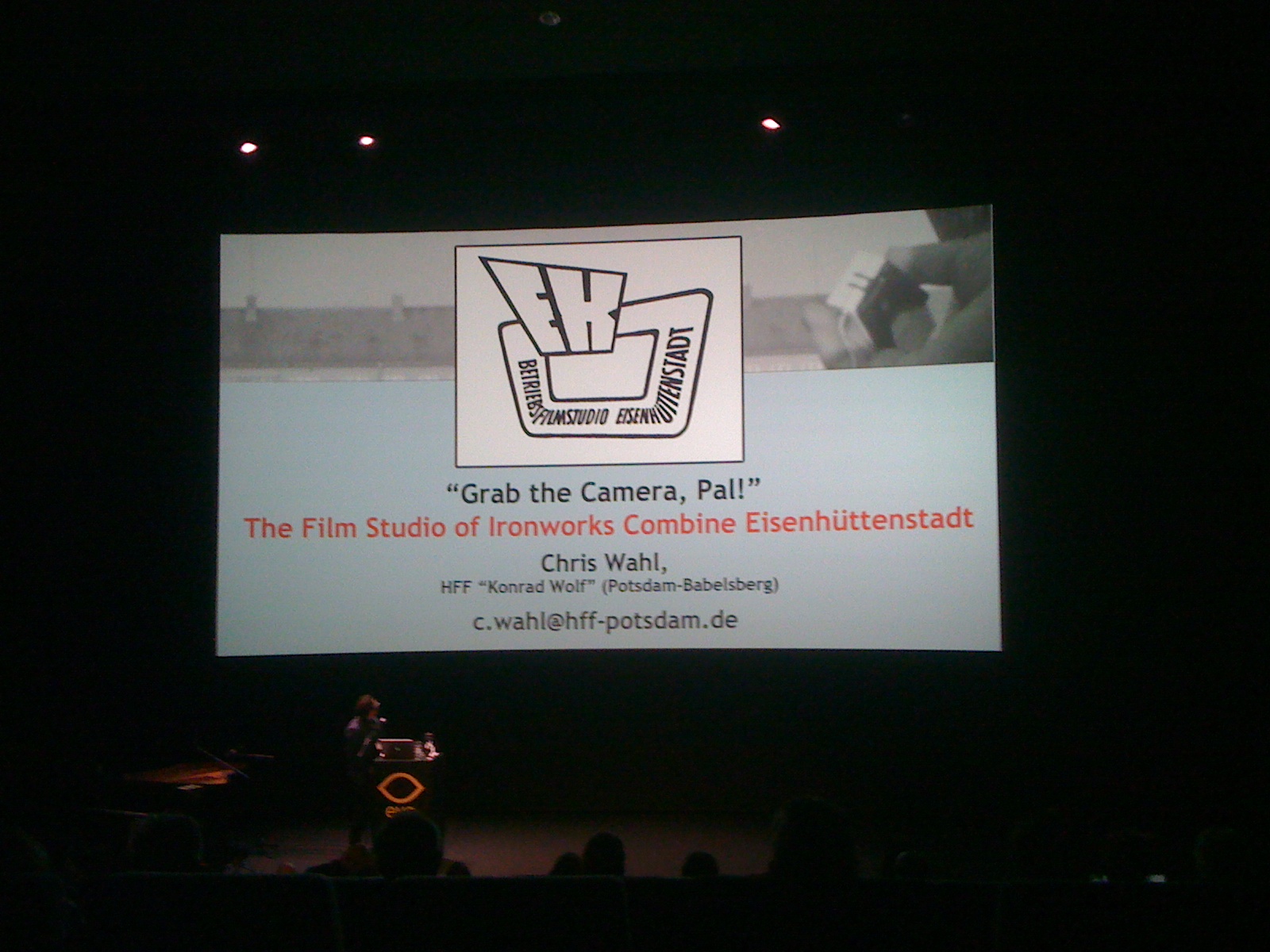
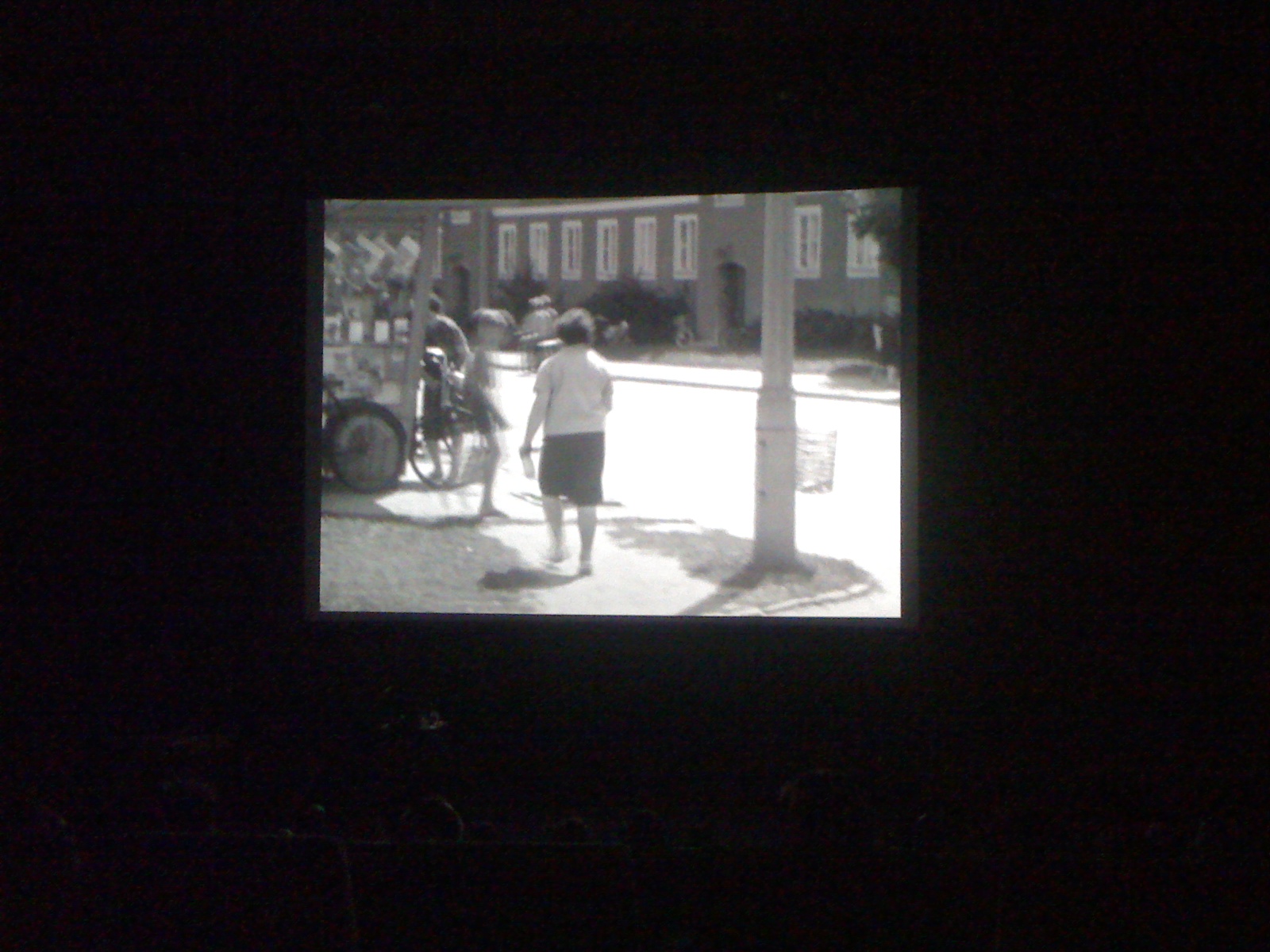
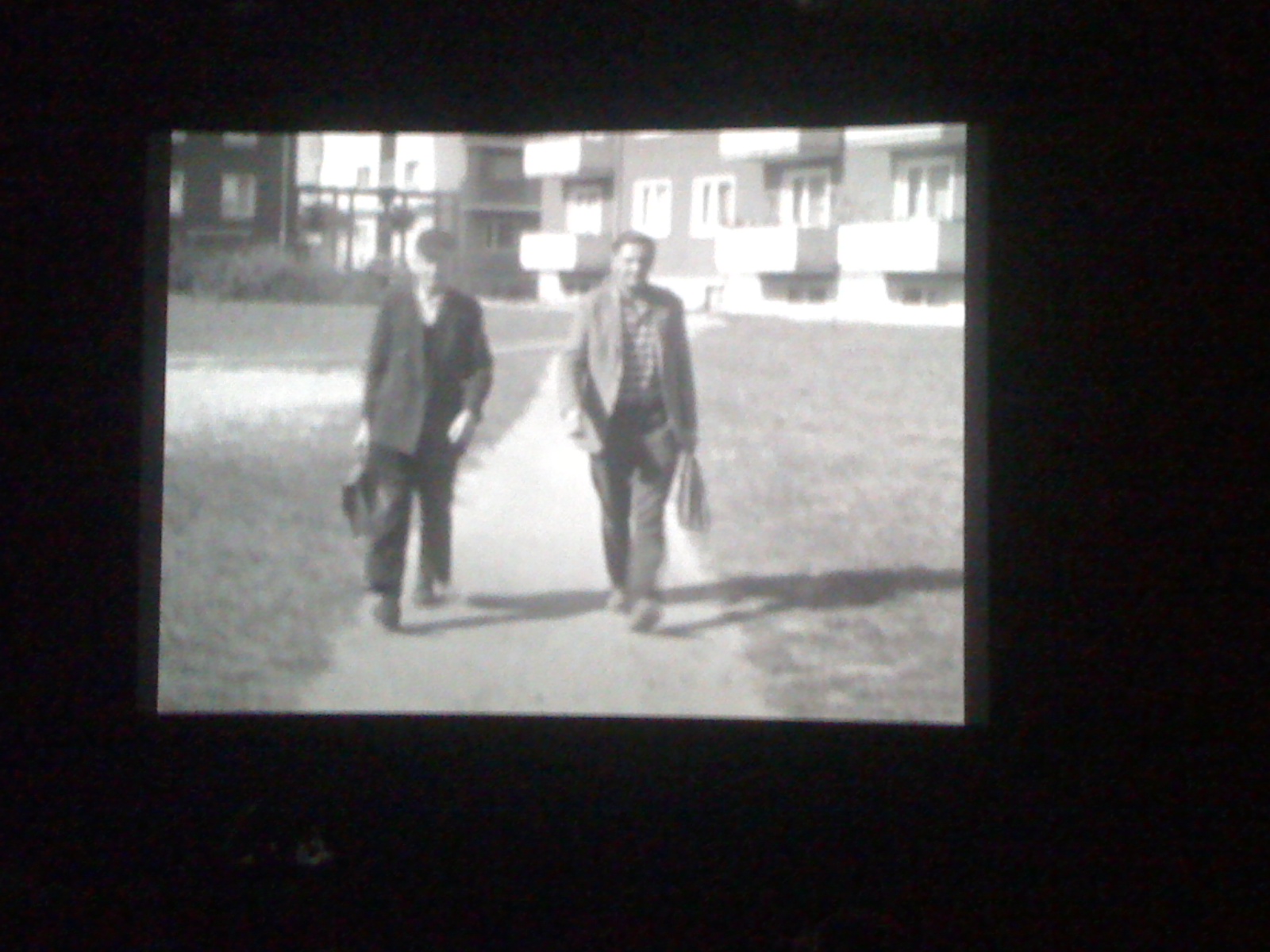
The Film Studio of Ironworks Eisenhuttenstadt were amazingly well organised being equipped with film stock, cameras and other facilties by the state. Archeo-logical stuff 1966 sets out to explore’ permissable ways of using humour and satire to respond to the conditions of state socialism. The film looked at the publics widespread use of ‘short cuts’ in navigating the housing area portrayed.
The technique of first seeing footage with most info in the soundtrack (the voices of people being questioned about their use of short cuts reveals alarming degrees of ‘guilt’ at their crime) and then footage of the use of paths by pretty much everyone set to eerie music demonstrates a considered film form designed to highlight the absurd nature of such rules and the adherence (or not) to them.
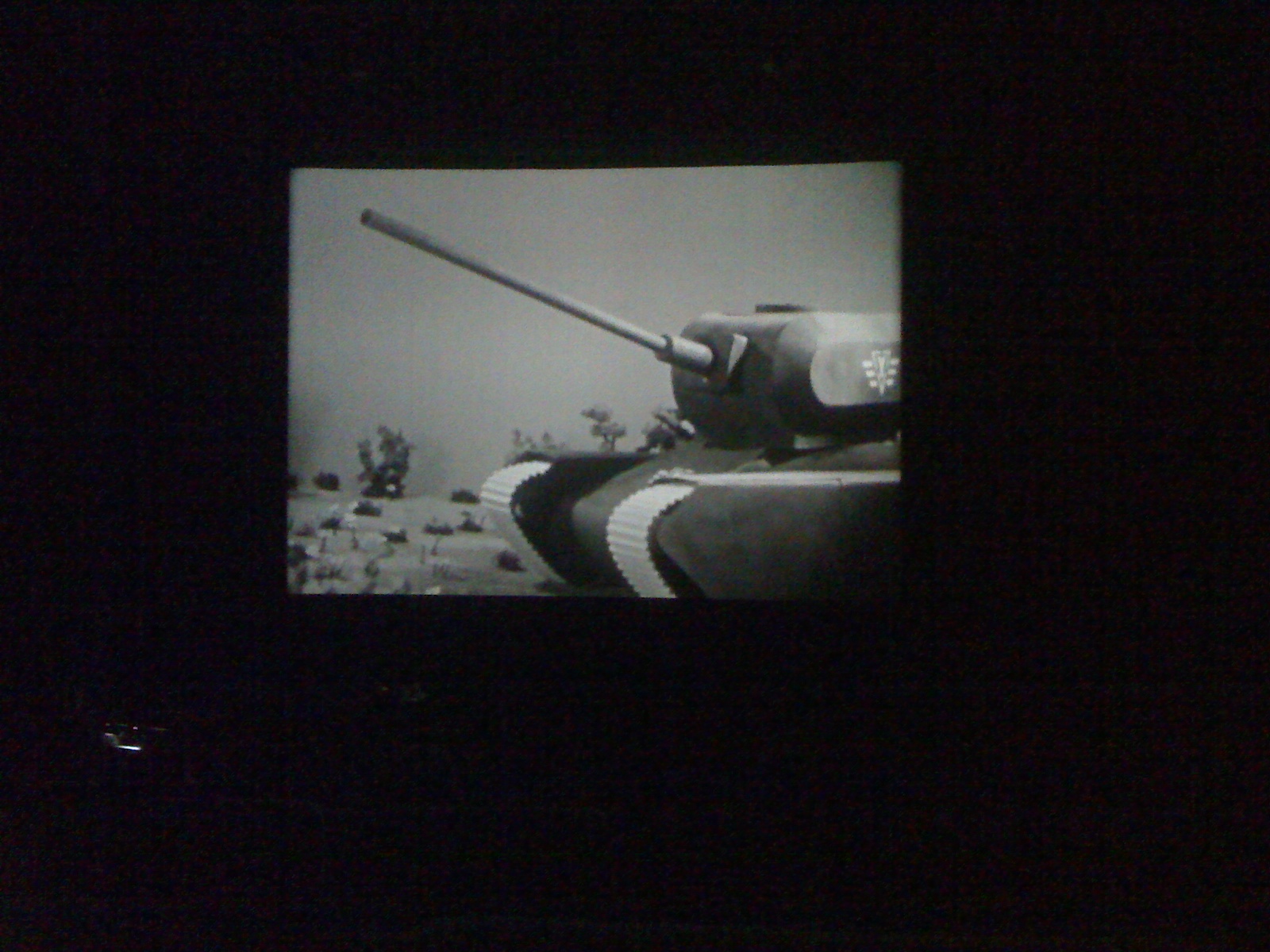
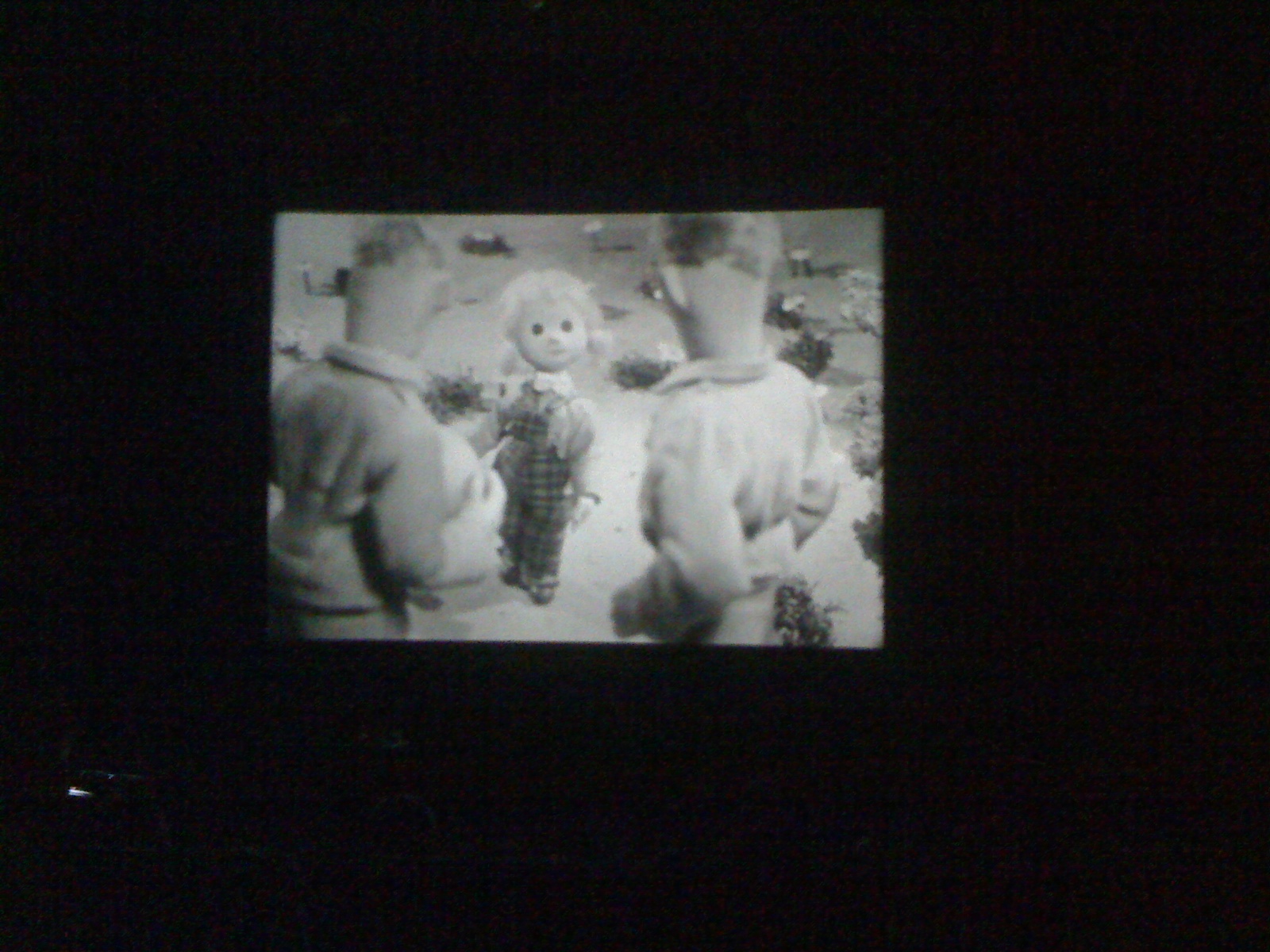
Some Czech anti-war shorts by contrast where an animated puppet girl looses here ball on the militarised border of some unspecified regimes makes less effort to conceal its possible dissident stance and has the girl, after befriending the soldiers, swinging on the tank barrel and playing ball with the army. A clear anti-war message.
A session highlight was the 1976 ‘On The Same Earth’ from People’s Film Studio at DK Proftekhobrazovania, Leningrad. A small liner ship sets sail for Canada and the ambassadorial Russian passengers produce a very personal account of what they find. At times melancholic and at others confused and skeptical , the portrait of the ‘West’ uncovers a deeper humanity as they ultimately realise that there is not that much difference between them except ‘8000 miles of ocean’.
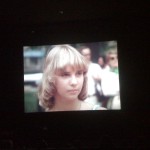
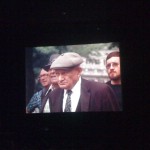
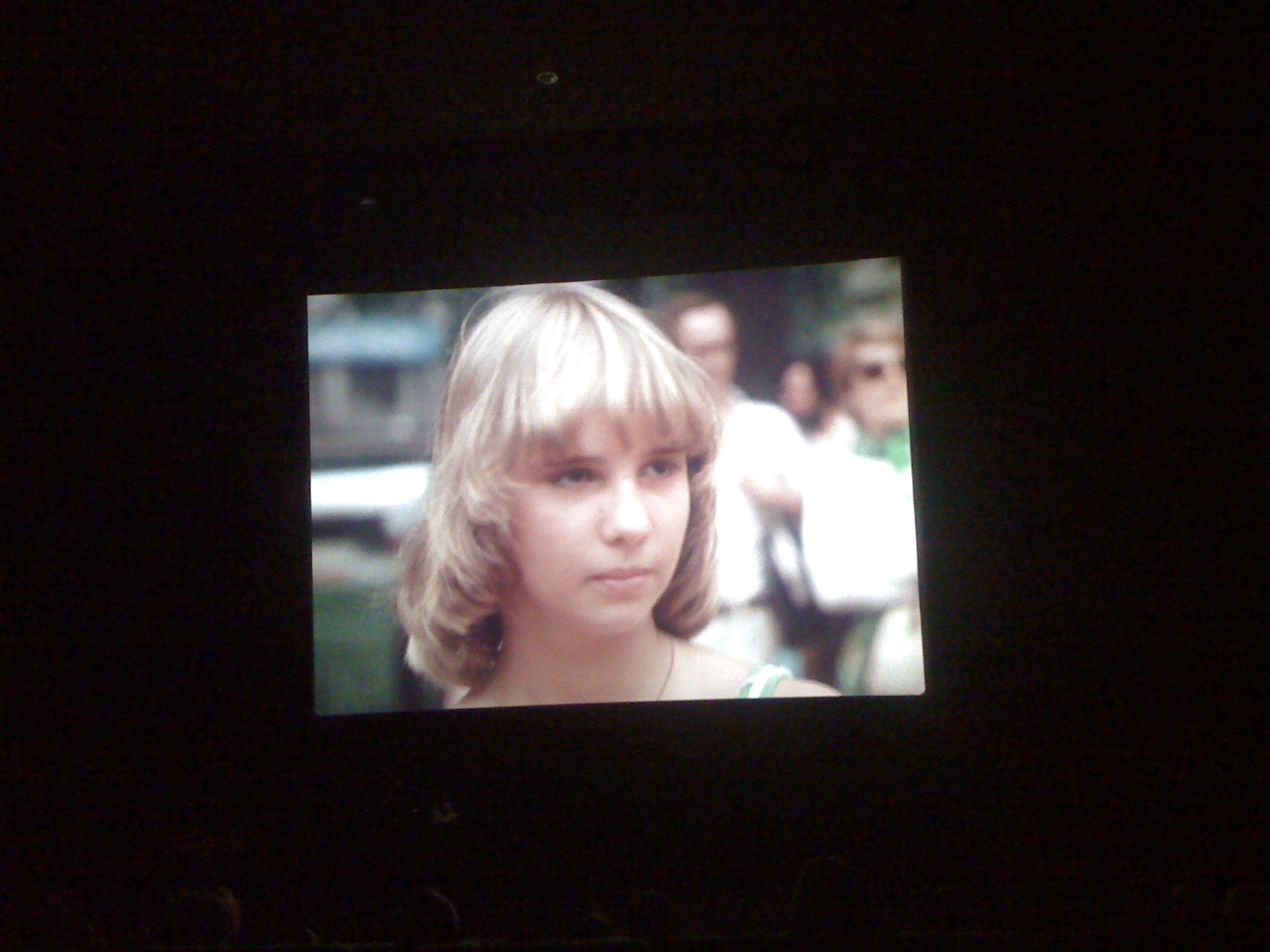
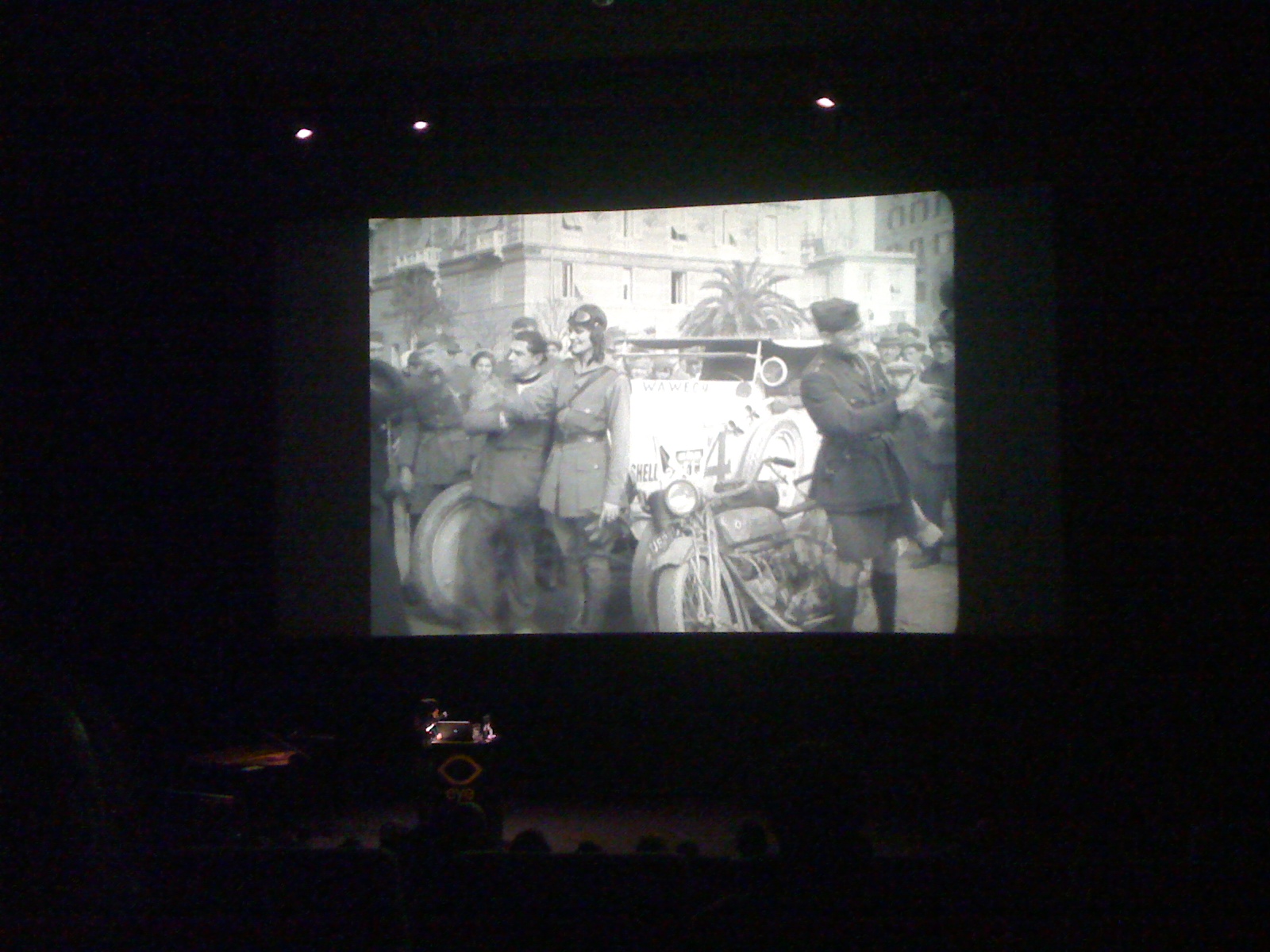
The late afternoon session focuses on Transportation Technologies and sees May Haduong from The Academy Film Archive screen some of the reels produced from the 1935-37 To See The World By Car. The anthology travelogue documents the young Aloha Wanderwell, a canadian born internationalist, adventurer and film maker on her epic car journey in a model T ford (the expedition had 5 in total) . She was a teenager when she started the adventure which drove through 43 countries and earned her the title ‘The Worlds Most Travelled Girl’.
Yvonne Zimmerman (Philipps-Universitat Marburg) talks a bit about the link between the Avant-Garde via Hans Richter and early Cinema in the form of his meeting with George Melies and shows one of his later sponsored films ‘Conquest Of The Sky‘ 1938.
The legendary Paul Spehr and Mark-Paul-Mayer show some great Biograph 68mm films (digitally of course). That some audiences got to watch these films projected in the 1920s is food for thought as this format offered brighter, less-flickering and much higher resolution moving images than 35mm. It could never enter into a deserved popular use though due to the extra size and technical difficulty of operation.
DINNER
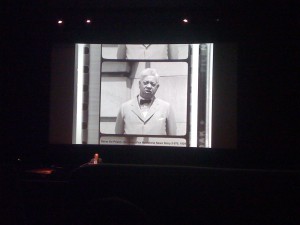
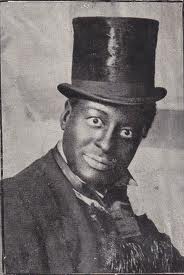
Ron Magliozzi and Peter Williamson of MOMA present the unreconstructed RUSHES from the never released 1914 ‘Darktown Troubles’ featuring (then) famous actor, comedian and entertainer Bert Williams. Wearing his makeup ‘as if’ a white (he was Black African American) ie like a B/W minstrel he affords himself a unique caricuturisation. Although his performance is understatededly deadpan and masterly. Another interesting layer in this screening though is the nature of seeing rushes where all kinds of on set dynamics can be seen to exist and the overall impression, where each shot is free of its final narrative context, is of a series of unique performances where we are witness to the actors craft, seeing them make adjustments and variations between takes etc.
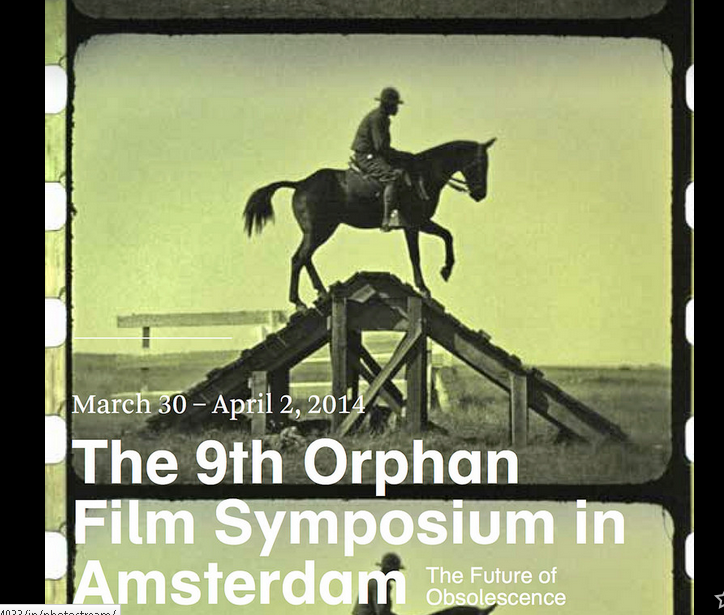
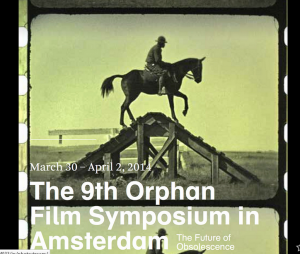
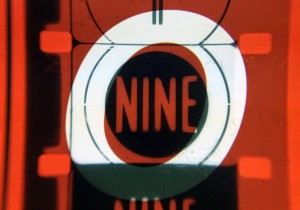
The final screening here and another standout event is Jacqueline Stewart’s (Uof Chicago) presentation of the Fox Varieties 1925 ‘A Frontier Post’. A beautiful, tinted day in the life document about the 9th/10th Cavalry Regiments. Aka the Buffalo Soldiers, the all Black horseback soldiers are seen displaying their equestrian mastery with formation riding, jumping obstacles and the eye catching (symposium logo/graphic) ramp traversing.
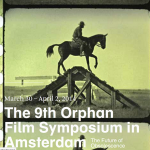
Never screened before this clip embodies many of the Orphanistas project goals to celebrate the lost, neglected and abandoned.
DAY 3
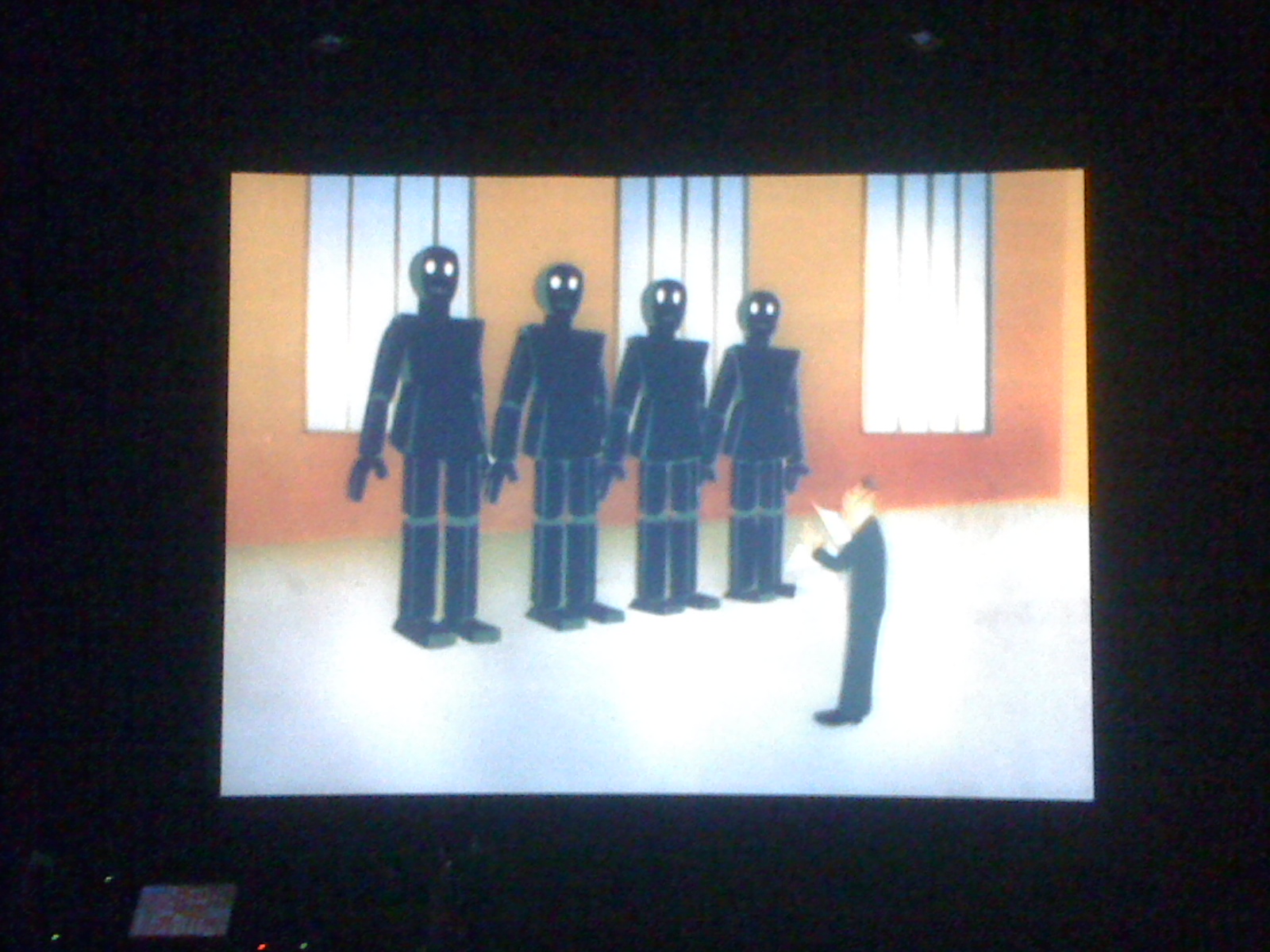
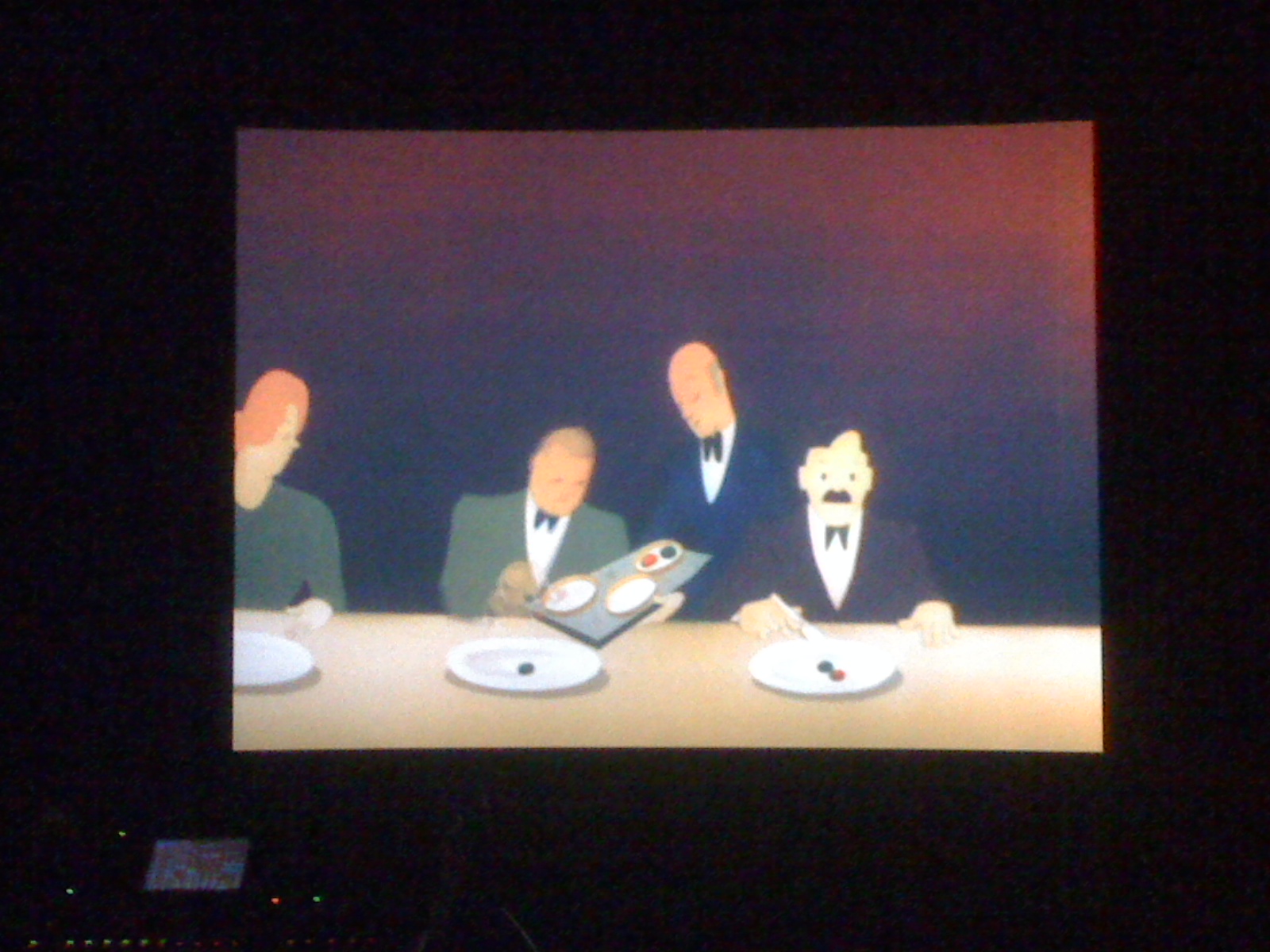
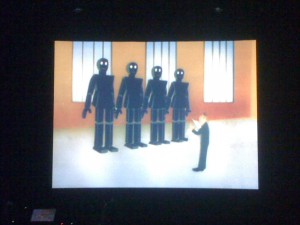
The last day and the morning kicked off with a Screening of Can Can Club’s 2009 animation ‘Teclopolis’, shown by Antonia Lant from NYU to illustrate the playful use of obsolete technologies.
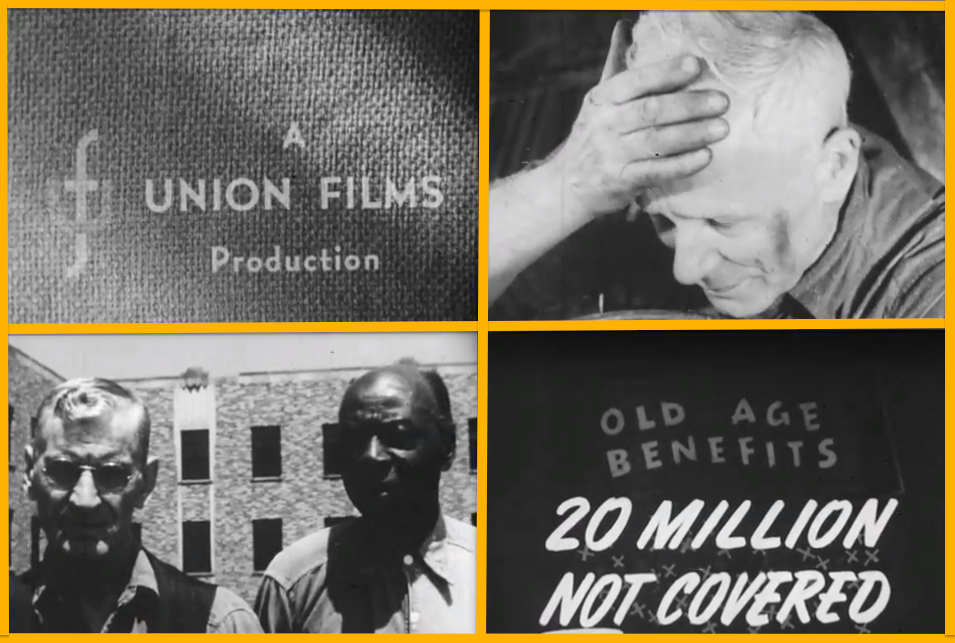
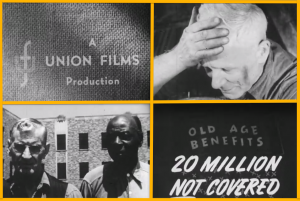
Then Charles Musser gave a good talk about the work of Union Films and screened ‘Industries Disinherited‘ 1949 which attempted to document the plight of retiring workers in the USA at a time of huge industrial expansion, rising living costs and unfair spread of wealth.
Dan Streible playfully presented ‘the most boring 10 minutes ever’ and screened ‘Career Of A Salesman‘, Columbia Pictures 1951 counter-left propaganda made in response to the success and (potentially) critical basis of Arthur Millers play Death Of A Salesman.
A talk about an EU wide legal framework called FORWARD that is addressing rights assessment of orphan films and all kinds of material sees an animated address by Nicola Mazzanti of Belgium’s Royal Film Archive where he extolls highly the essential aims of FORWARD but threw a good few punches at certain organisations (BBC) who deliberately maintain the status quo in order to maximise their capital control of moving image work that might fall near this kind of area. This wraps the morning session.
After coffee we return to see and hear about various restoration projects.
Rob Byrne from San Francisco Silent Film Festival screens some of the 1925 film’ The Last Edition‘ that uses real locations and characters to great scenic authenticity effect.
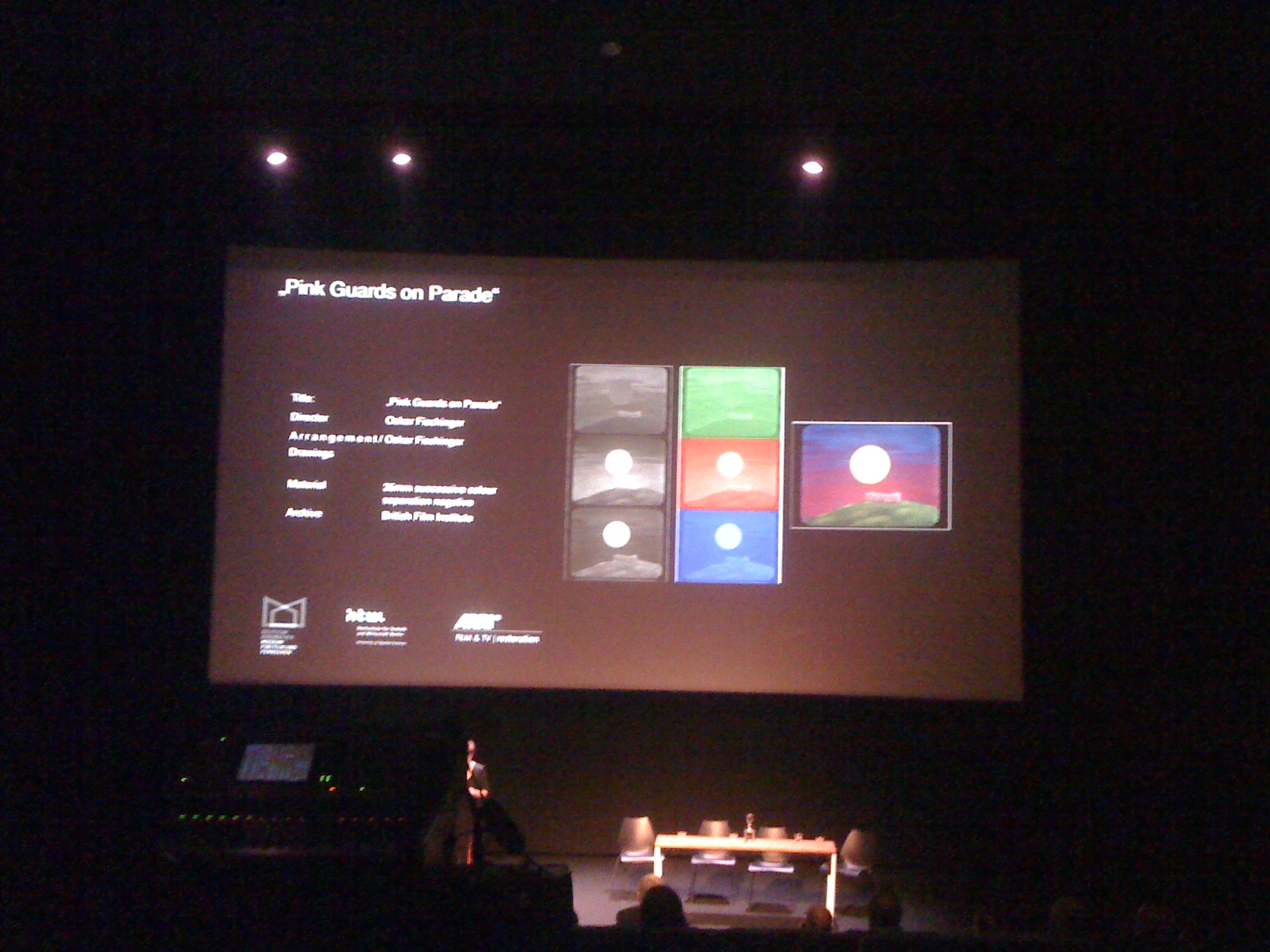
Martin Koerber (Deutsche Kinemathek) and Andrea Kramer (Hochschule fur Technik und Wirtschaft) present attempted Digital restorations of some short films shot using the Gasparcolour process. As this process was chemically unstable and resulted in a varying colour hue between actual frames (so every frame different) the conclusion was perhaps unsurprisingly that even the highest technical scanning and grading could not reproduce the characteristics of a print screened in a 35mm original.
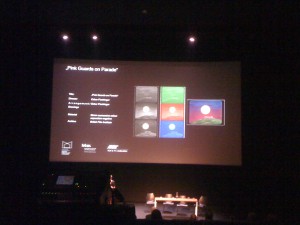
After lunch there is a programme dedicated to various Archives in Latin America starting with Juana Suárez (Proimágenes Colombia / Fundación Patrimonio Fílmico Colombiano) Outtakes from Gloria Triana’s Yuruparí (FOCINE-Audiovisuales, 1983-86) documenting Colombia’s Afrodescendant and indigenous cultures.
This is followed by a very interesting series of films from Cine Amateur Argentina that includes the wonderful Perros en paracaidas [Dogs in Parachutes, Gustavo Giró, 1963, that shows an Antarctic field experiment where a group of dogs (German Shephards and Alsations?) are seen being bundled into a plane which moments later flies high above. Then to everyone’s amazement some parachutists descend and we realise they are the dogs, on their own, the owners running to meet and greet them across the snowy field!
After another break there is a whole programme looking at Eastern European Archives including ones from Albania.
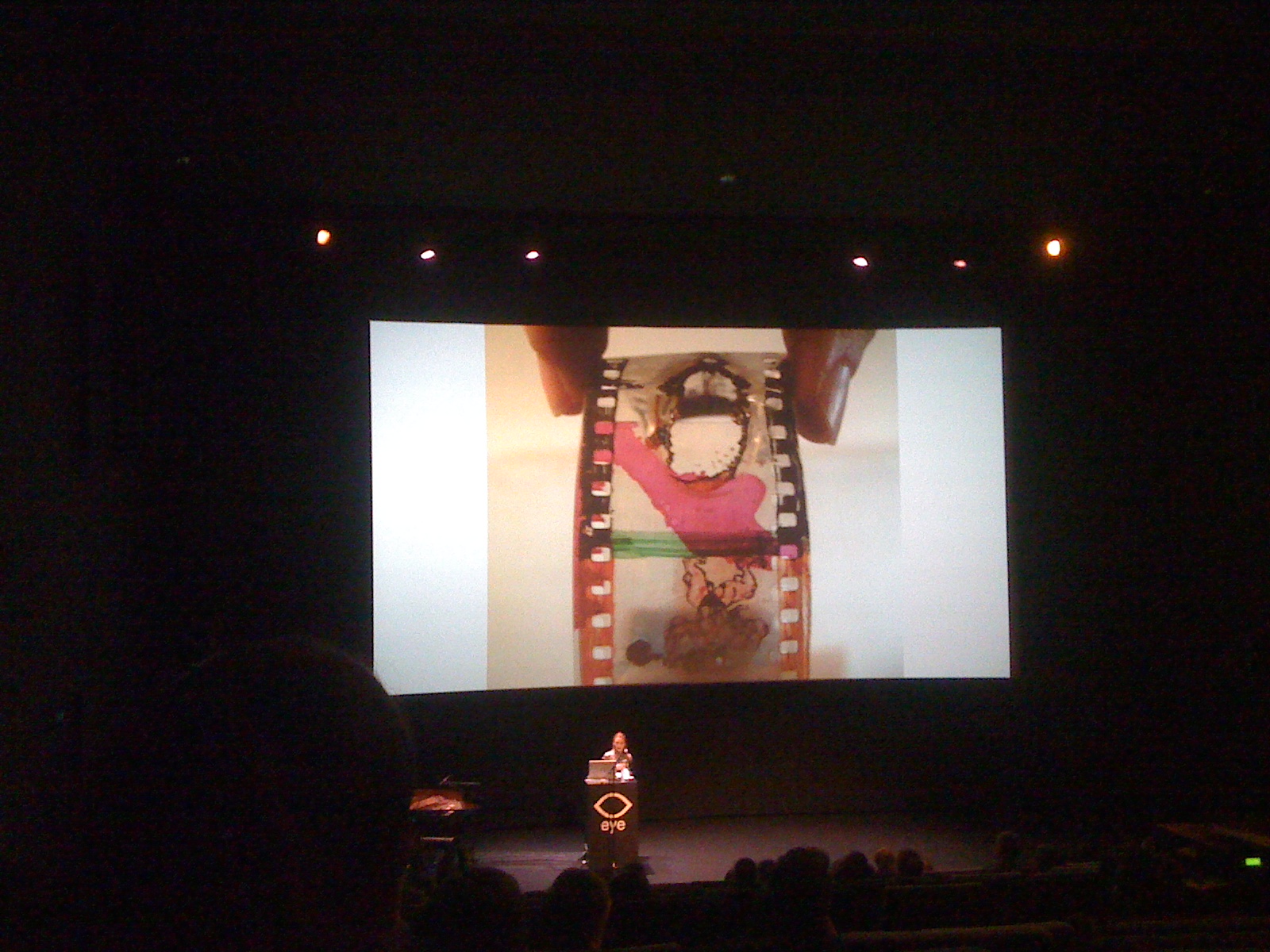
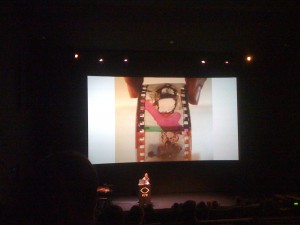
A striking series of films are shown by Elzbieta Wysocka from Filmoteca Narodowa (Poland) which presents the work of Antonisz. He made ‘cameraless’ newreels which has a ring of the mad and crazy about it but he also invented a truly remarkable technique for drawing on film using a small pantograph making it possible to draw incredibly smooth flowing shapes and scaled objects.
Dinner was welcome by this stage and everyone returns for the last session in the symposium.
May Hadoung (AFA) shows ‘Autumn Spectrum’ by Hy Hirsch and Jeff Lambert (NFPF) shows a stroboscopic, whip-panning assault on the spacial senses newly restored (AFA, Mark Toscano I think) 35mm print of James Bennings Chicago Loop.
Locals Frank Scheffer and Paul Cohen show ‘Zoetrope People’ 1980/2014 a film they never edited or finished. The film was shot during Zoeptrope Studios rise to failure and they give a good account of the interview with Walter Murch where a faulty camera motor (although I wish they didn’t keep saying ‘weak English’ motor) causes several retakes as Murch talks about a film he is due to direct that is about reincarnation!!
Denis Dores (Milestone Films) and Mary Huelsbeck (Winsconsin Centre for Film and Theatre Research) show some pieces by Shirley Clarke.
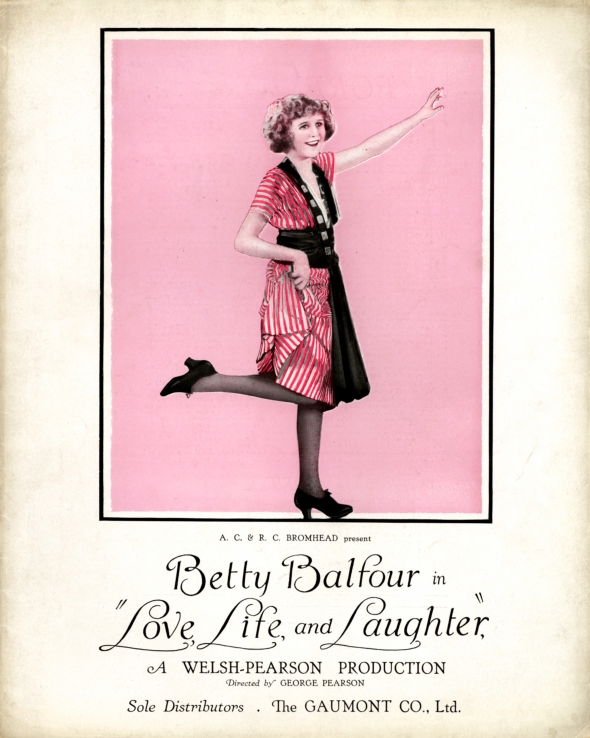
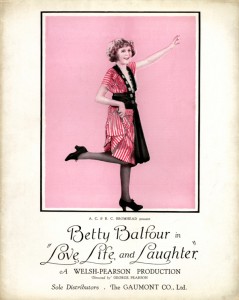
Finally Frank Roumen, Head of the Collection at EYE gives everyone a surprise by announcing that EYE has found a copy Love, Life and Laughter (1923), starring Betty Balfour, a Silent feature on the BFI’s list of the most wanted films. We proceed to watch 20 minutes or so to rapturous applause.
CONCLUSION.
There was so many varied types of materials and projects that it was hard to understand where the boundaries of the category ‘Orphan’ could be located. A lot of principle material was clearly within known and understood copyright holdings. Nevertheless the ‘Adjectival’ function of the term becomes useful when approaching certain kinds of material and works and in this sense I think its a process that should see further engagement especially from Artists and Exhibitors, the two areas I would say were lacking presence in the overall programme.
Another notable lack was anyone from the UK; British Film Institute, National Archives, Production Companies etc. There were a few people there as attendees but an understandable quota of presentations were of North American origin. So I wonder how much interest or engagement there is amongst UK organisations and individuals other than ex-students of the MA programmes in moving image preservation (UofA and NYU) seeing as the call out for proposals was presumably wide open. I for one would love to present something at the next one in 2016!
It was genuinely exciting and stimulating to see projects during the work in progress stage and the overall quality of digital and film screenings was excellent. I can easily imagine a package of works to screen at The Cube Cinema or any independent Cinema or any Cinemas who are interested in presenting important moments from Cinema and TV’s lost and forgotten histories. Although without the context of a whole symposium like this one works may seem too specialised or particular to certain subjects to find general audiences I still think that a new role of Cinema can be found in the participation IN the process of Preservation by screening works on celluloid wherever possible.
This brings us to issue of ‘Heritage’ material where Digital developments in Cinema may come into their own. Clearly, with the ease of use and relative widespread adoption of DCI standard projection and the development of scanners that can capture to 2, 4 or 8k plus the efficacy of software to ‘clean up’ moving images and the robustness of the DCP screening file all the parts are there to allow exhibition of historic material on a scale never really possible until now. This isn’t a criticism of the overall standard of 35mm before but rather the fact that prints made for presentation could never enjoy as intense a use as they can now. It remains to be seen how much interest there is from curators, programer and the public in this kind of material.
And its not just 35mm nitrate material that can get wider access as the example of Werner Nekes’ restored 16mm film above show which looked amazing in its digital projected form.
Digital projection at 2 or 4k is a different experience in many ways from film. The whole picture is rock steady, there is no discernible flicker, the image has no material trace, something does happen to grain and colour does appear characterless in its mathematical flatness.
A lot of the time it was like seeing film on a stretcher. Meaning it was like seeing film carried by an invisible scaffold. The film image, after the processing of removal of material trace (so in a way film in its model form, its unsullied original) begins to actually look like something else. A simulation, an academic comparative exercise. Its feels from this that the future of film is in its AFTERLIFE in the hands and ideas of Artists, Artisans and anyone who favours working with their hands, outside the dominant and domineering functions of computers, who one day will face their own version of obsolescence.
Here are some links to other reports about the Symposium
Ian Francis, Sight and Sound.
Julian Ross, Desist Film Blog.
Orphans Film Symposium blog.
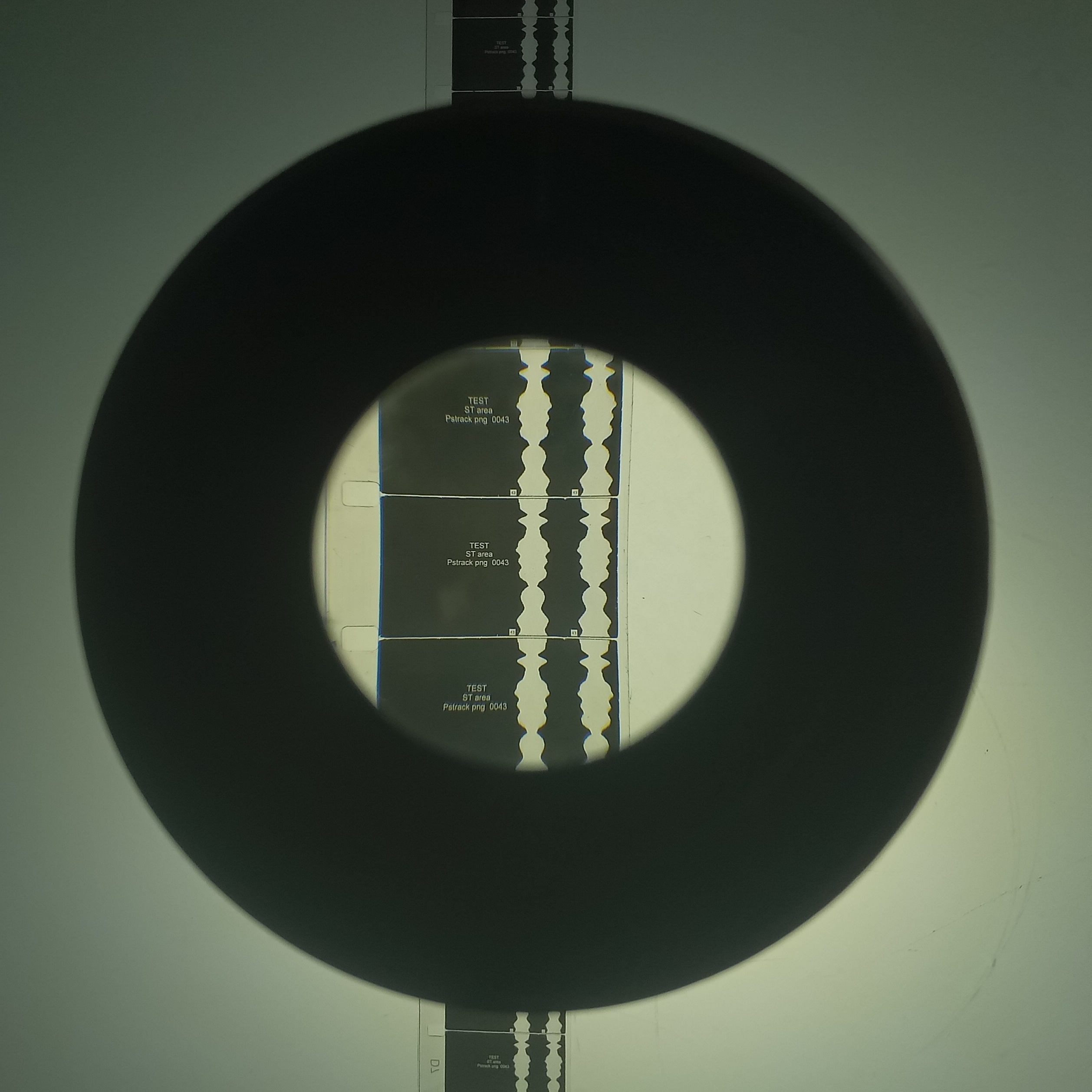
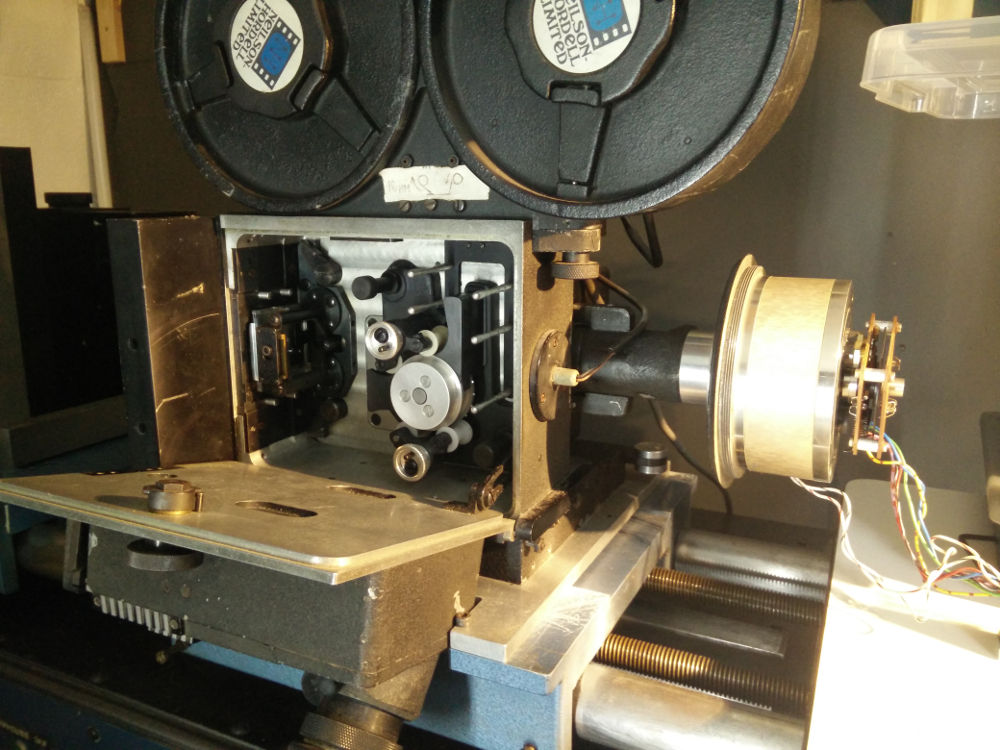
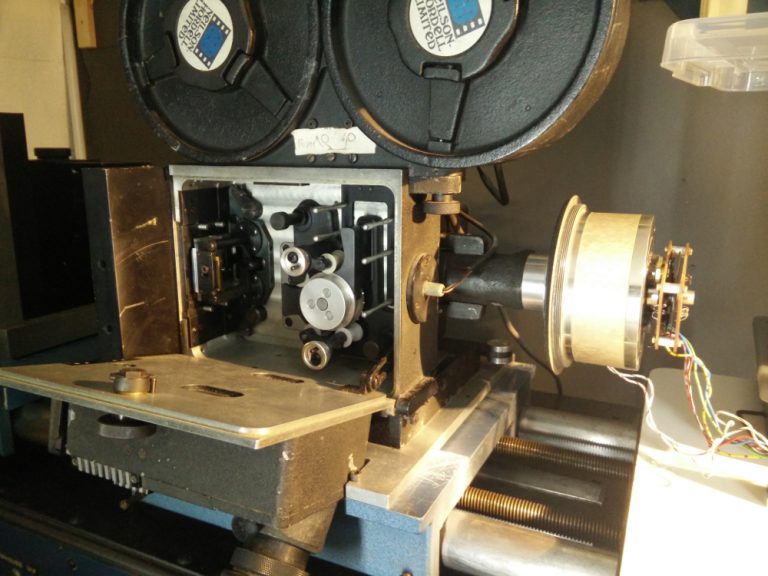
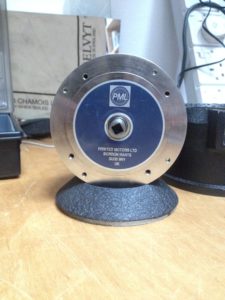
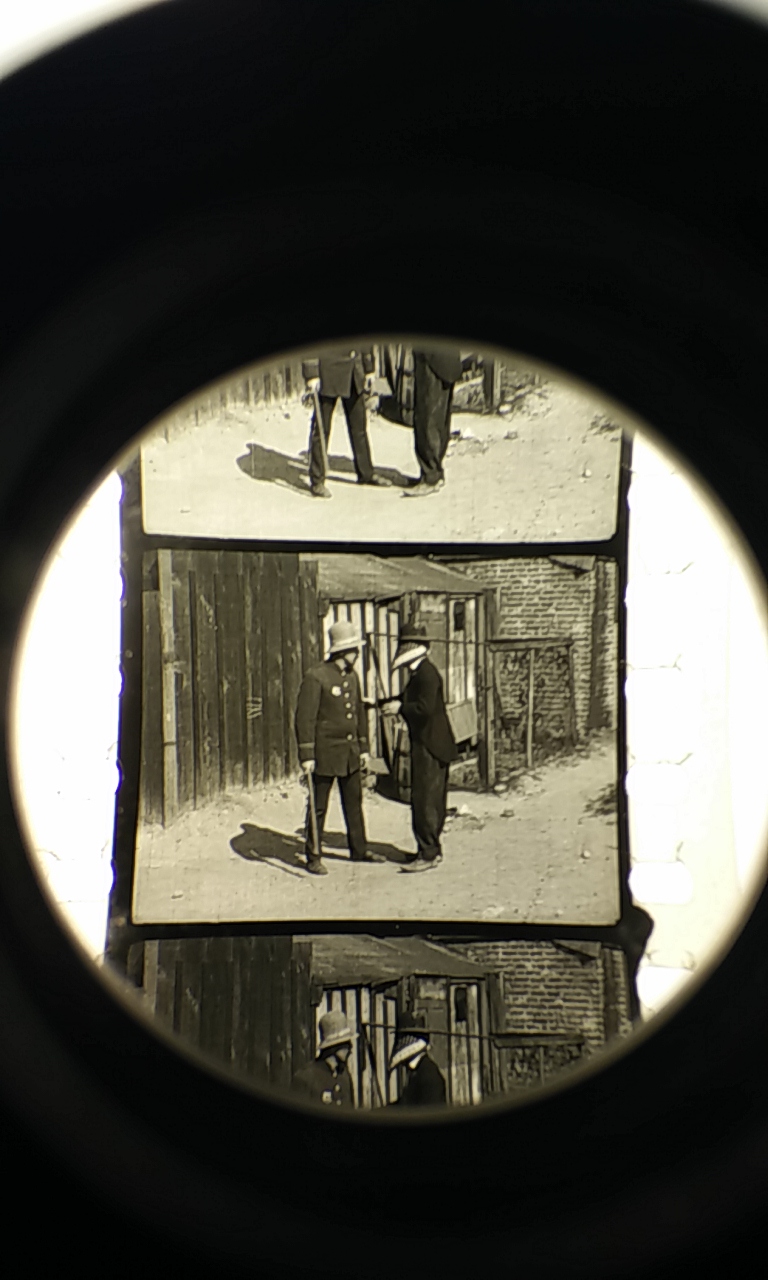
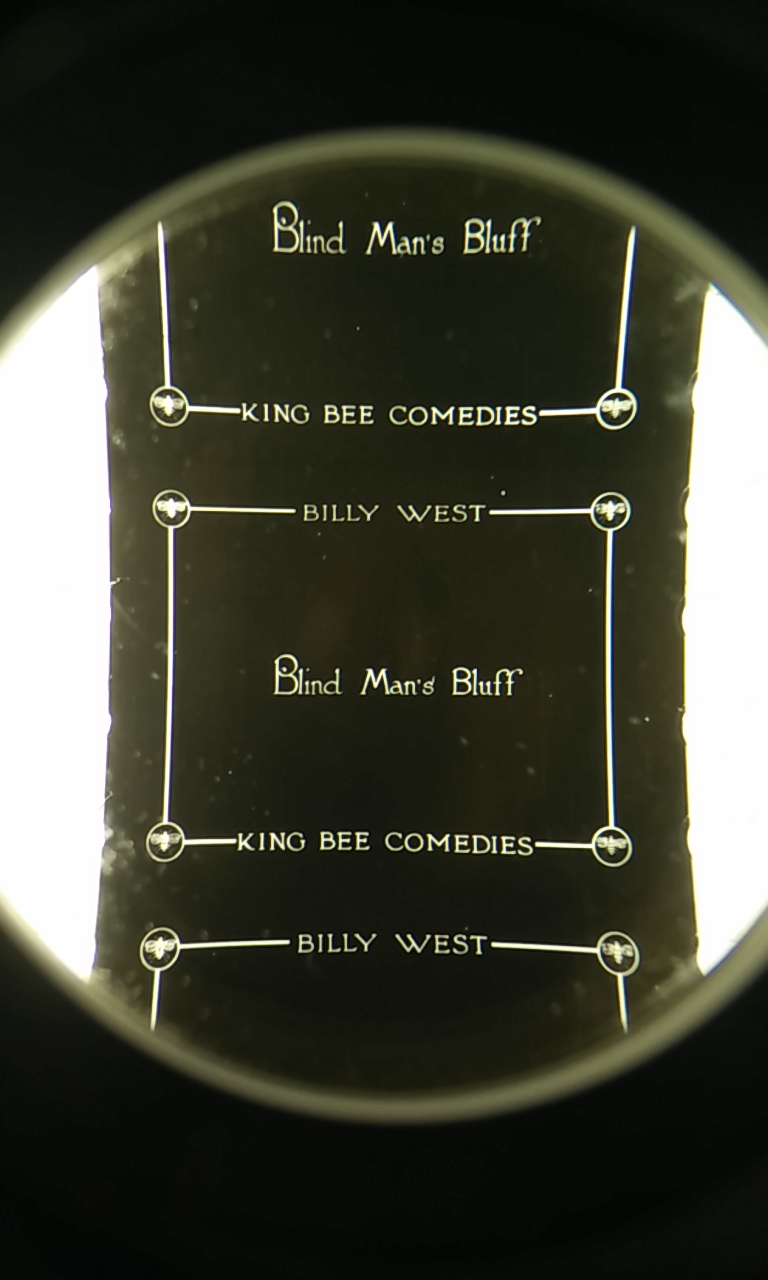
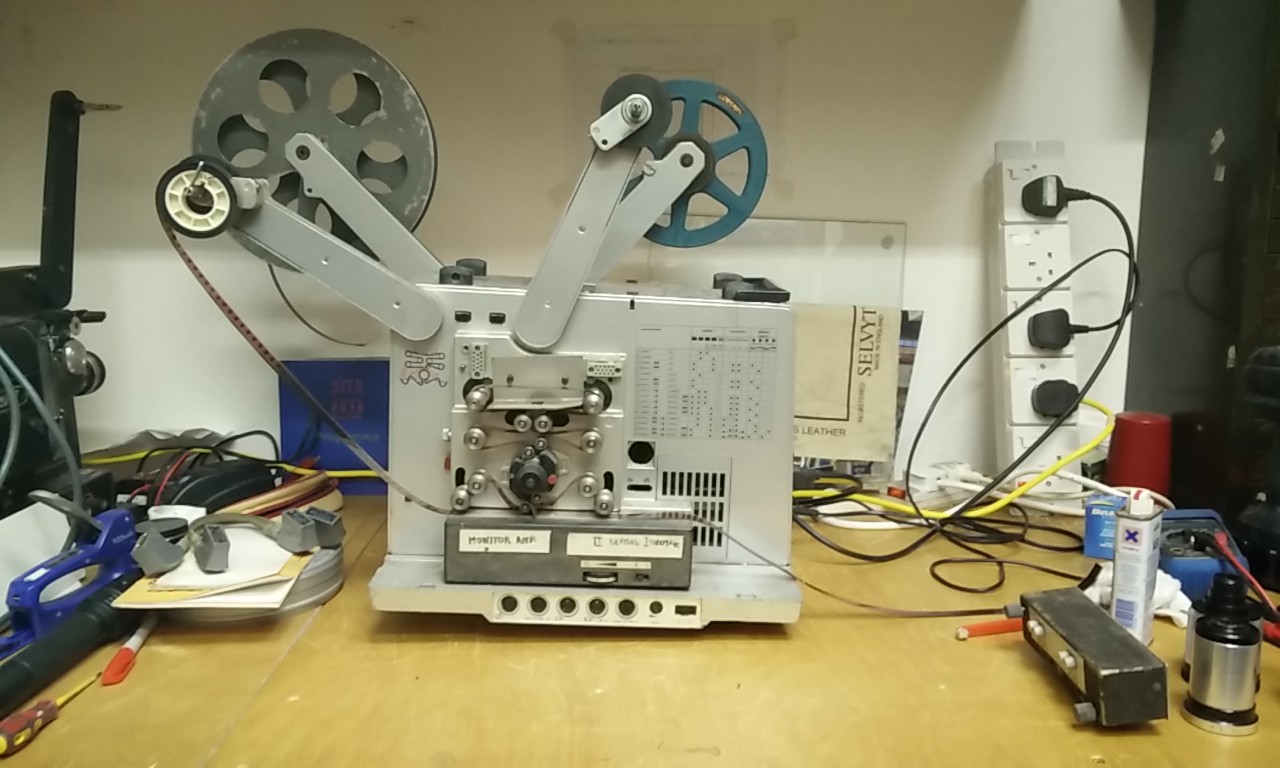
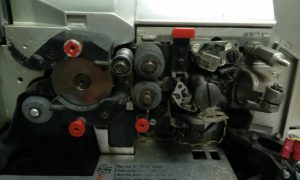
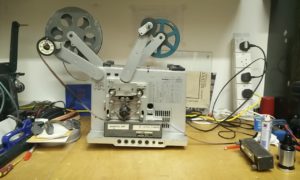
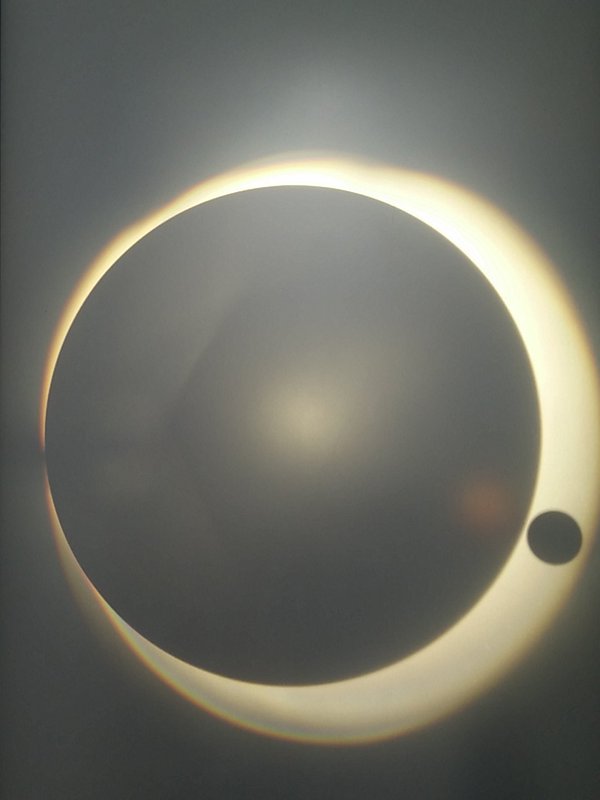
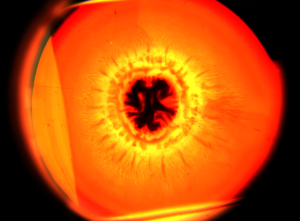
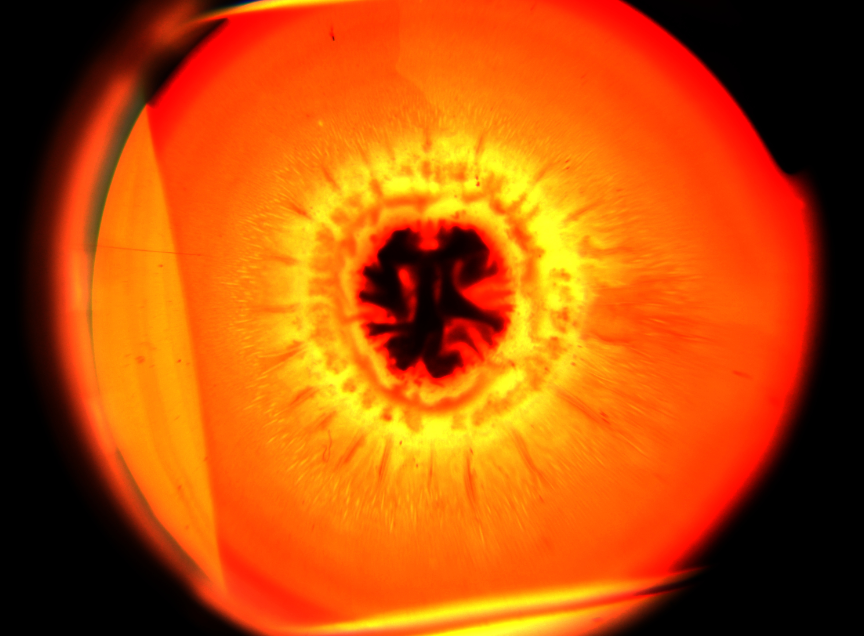
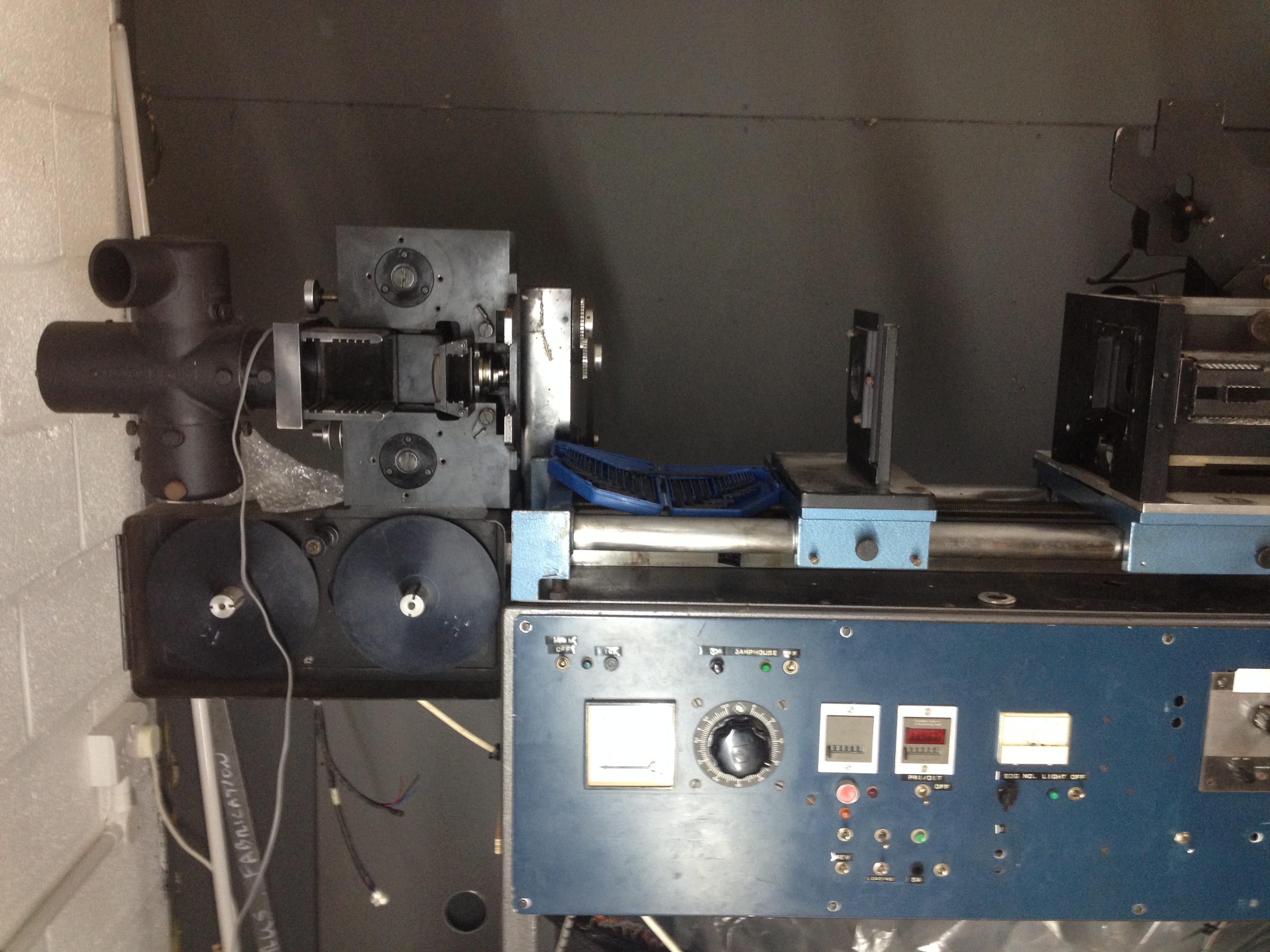
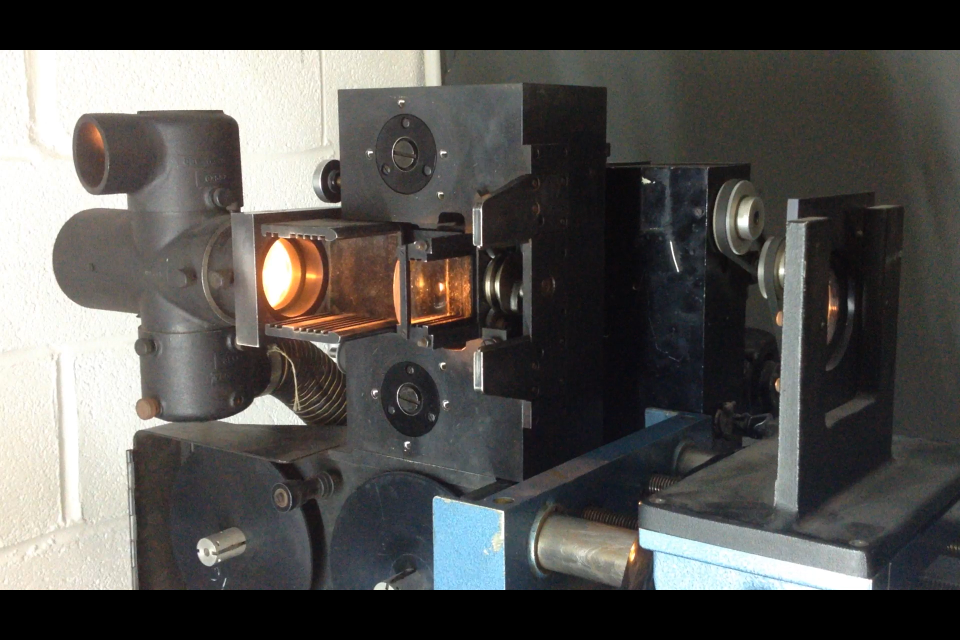
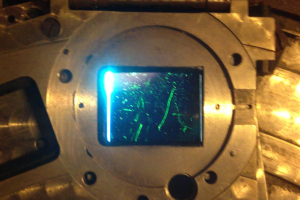
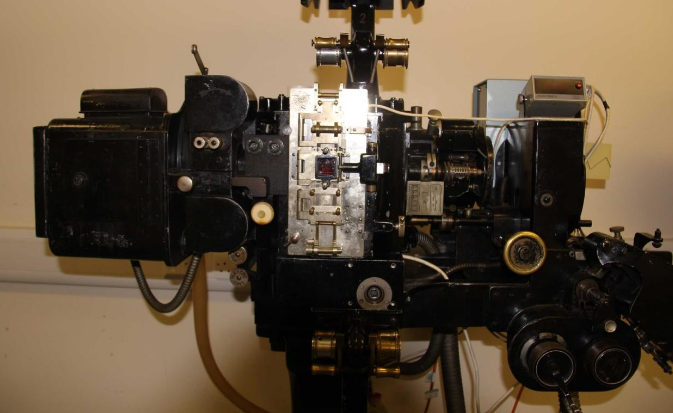
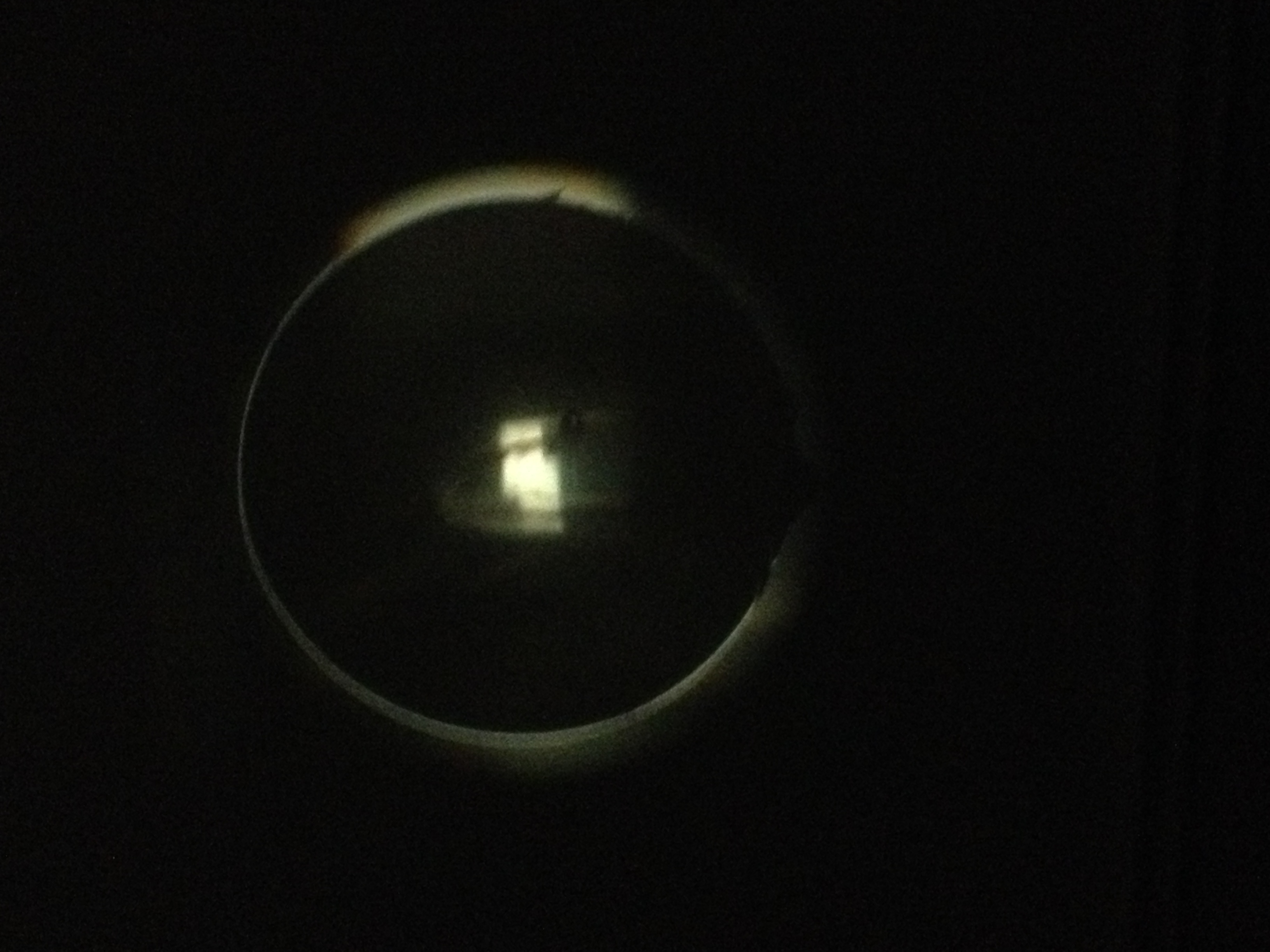
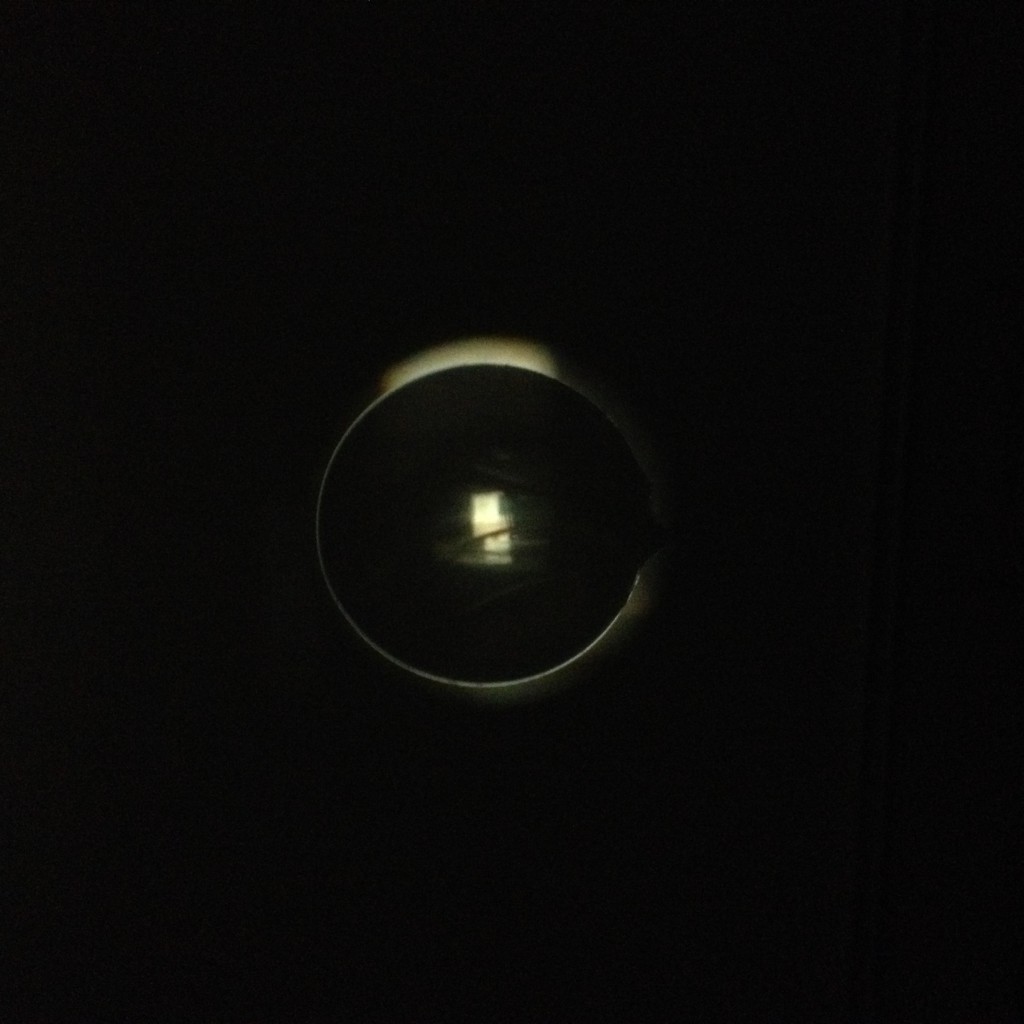
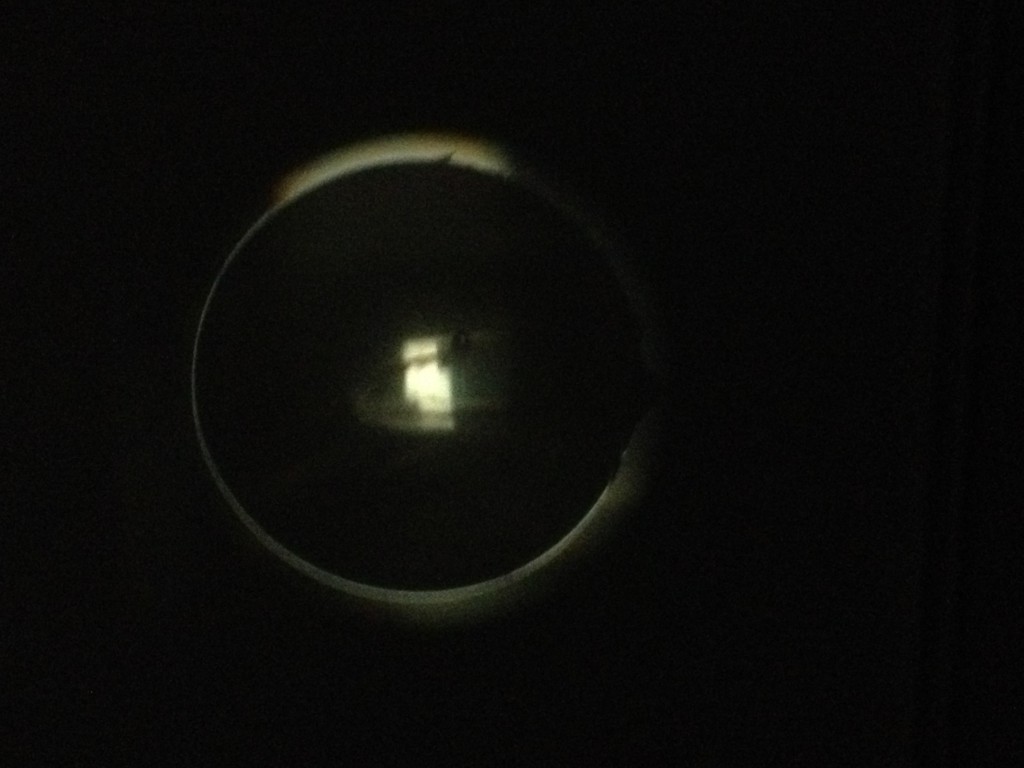
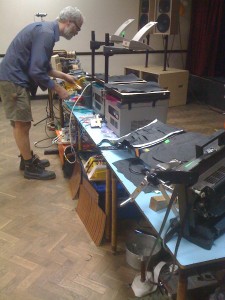
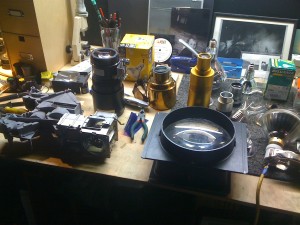
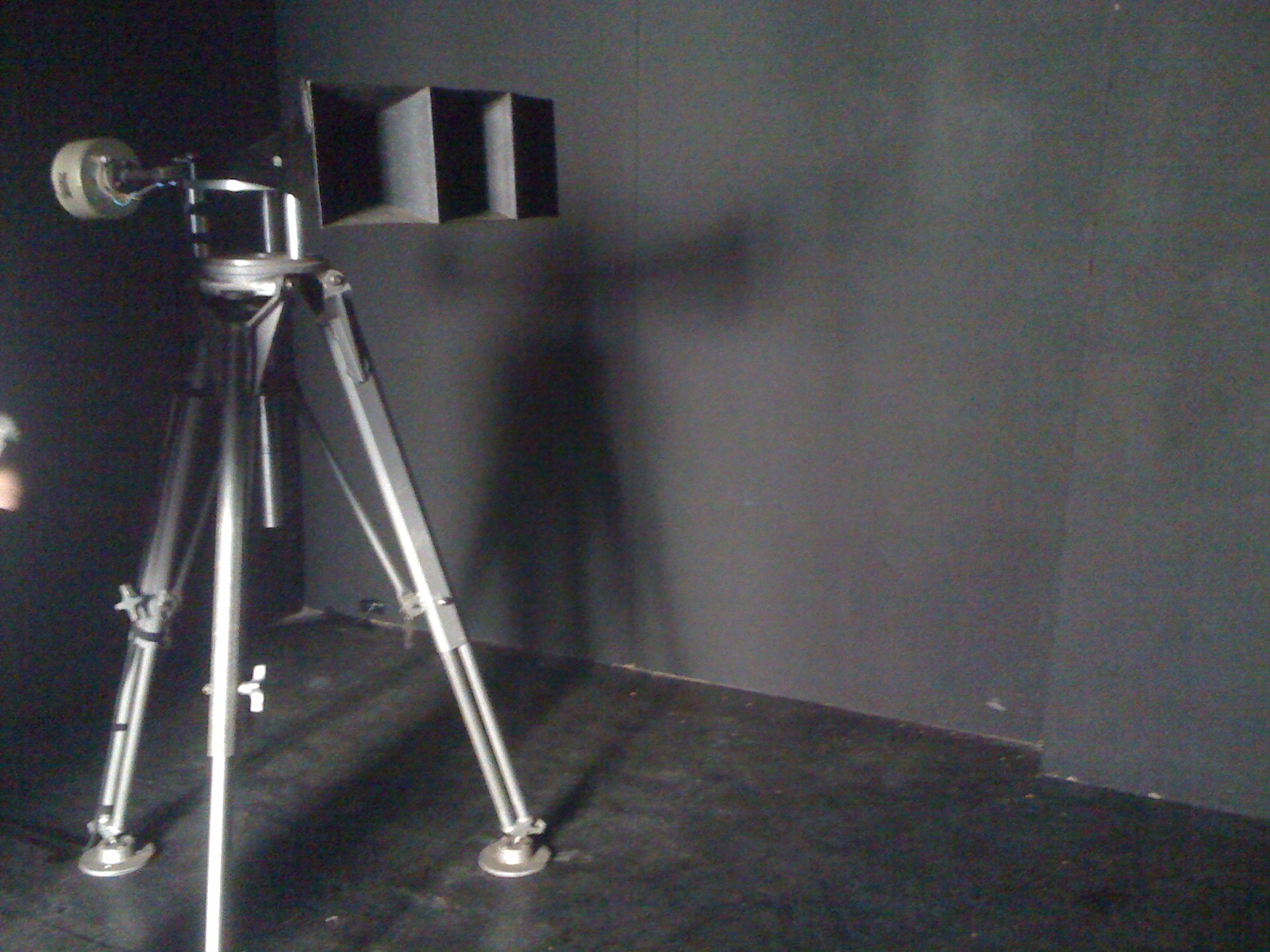
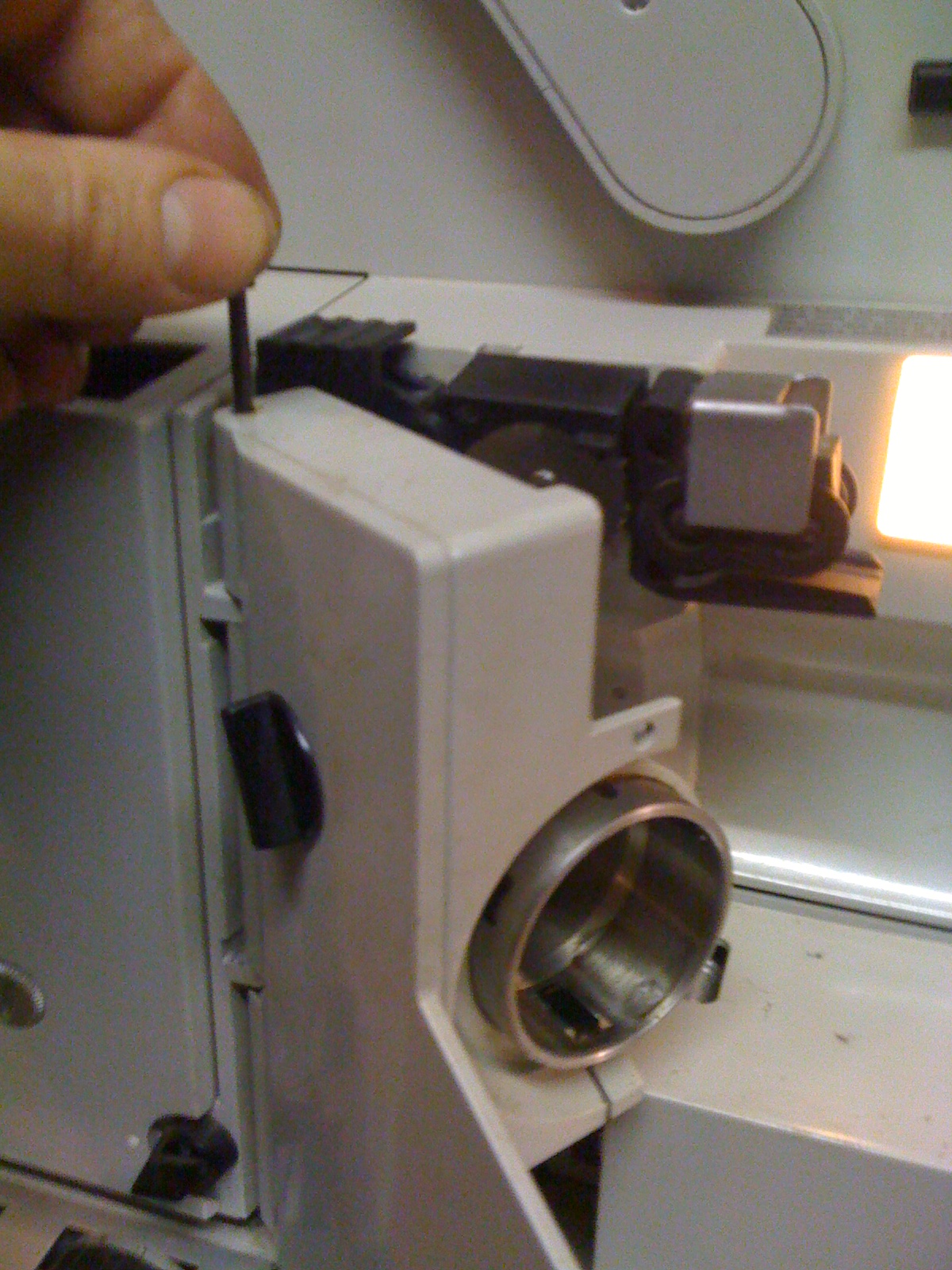
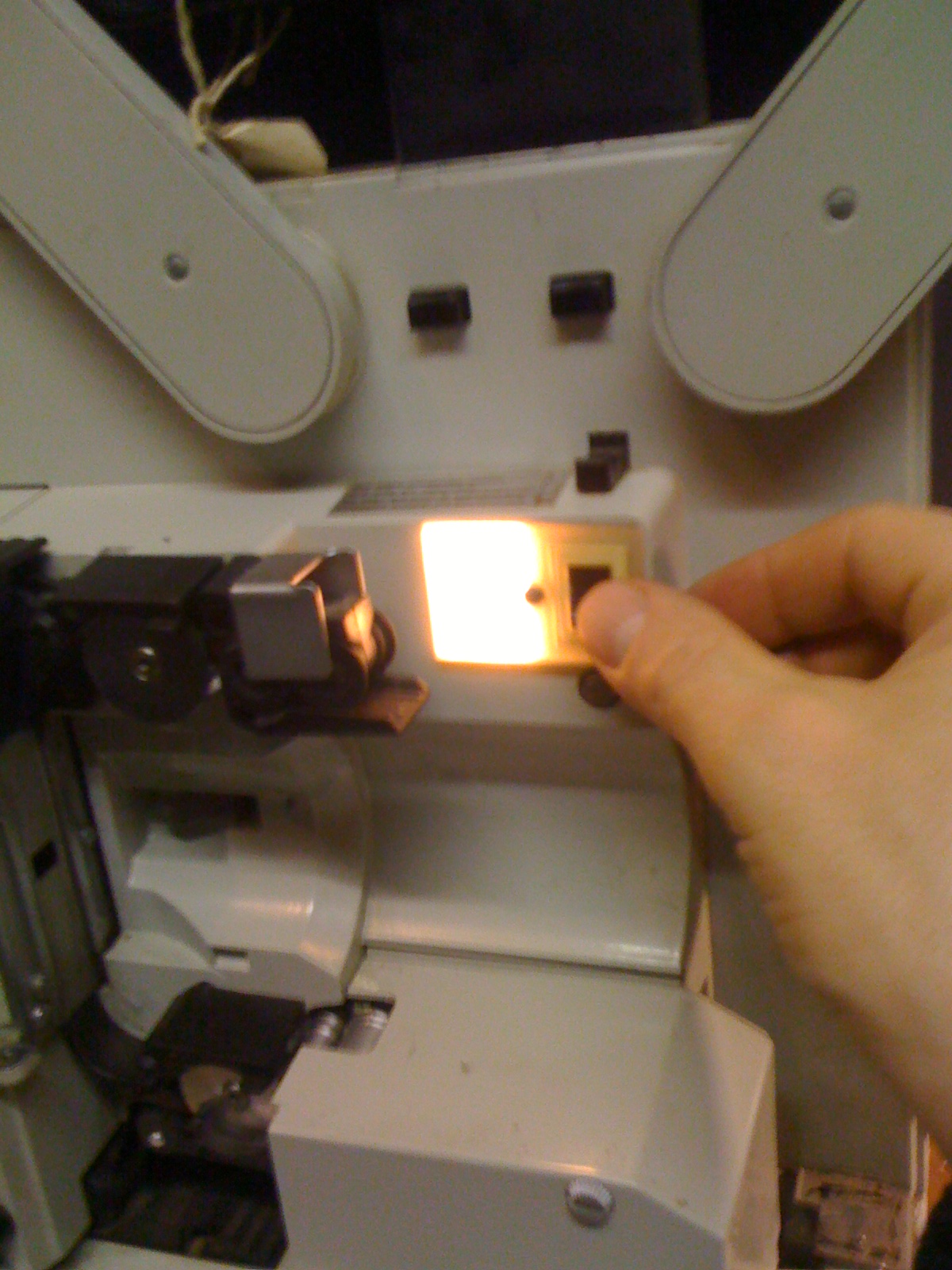
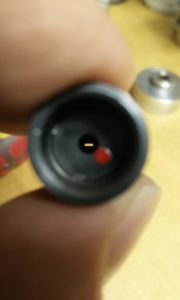 This image shows something I always liked. This is the view down the optical light ‘lens’. It narrows and focuses the beam to a tiny slit. Cleaning and correct alignment of this can vastly improve your sound playback of optical tracks.