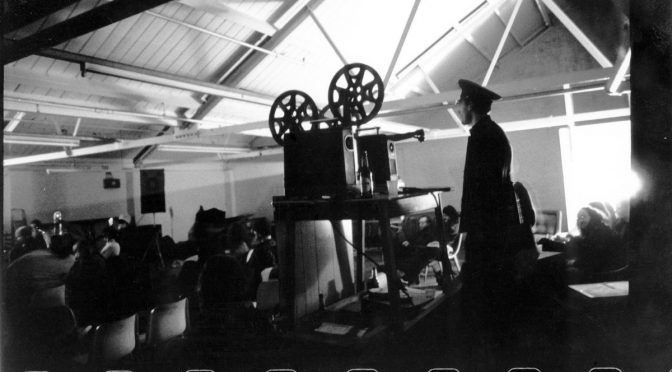
Club Rombus


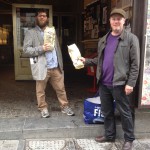
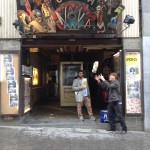
Seems like a good moment to make some documentation of club rombus. Ill make a static page then add to it. Of course all these links really do is gravitate back to the Cube. For Rombus I’m going to have to dig into the paper, fax, photocopy archives. How did we manage before the www? Well we didn’t have a spellchecker!
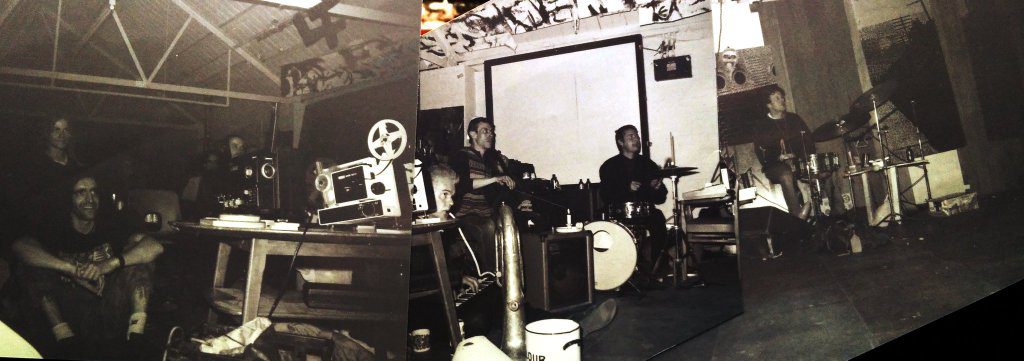
ROMBUS

Heres th covers of Romboid, the  ‘zine’ programme / info pamplets we made.  All on a photocopier of course. I can scan them and make PDFs of each one, we only did 2!
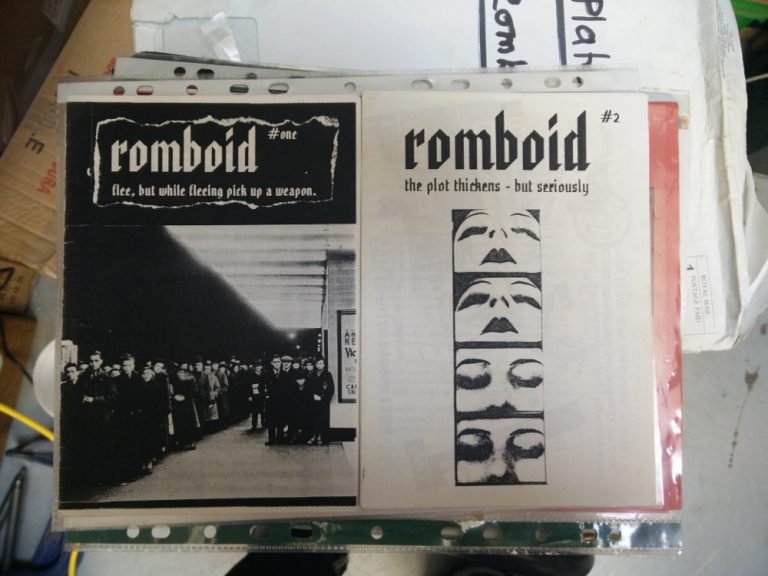
romboids

Various quick online search results:

http://www.variant.org.uk/16texts/Cube_culture.html

https://www.facebook.com/events/883827138367779/

http://www.bristol247.com/channel/culture/film/features/a-brief-history-of-the-cube

http://www.hijackbristol.co.uk/board/the-forum/club-rombus/?wap2

http://openbuildings.com/buildings/cube-microplex-profile-11049
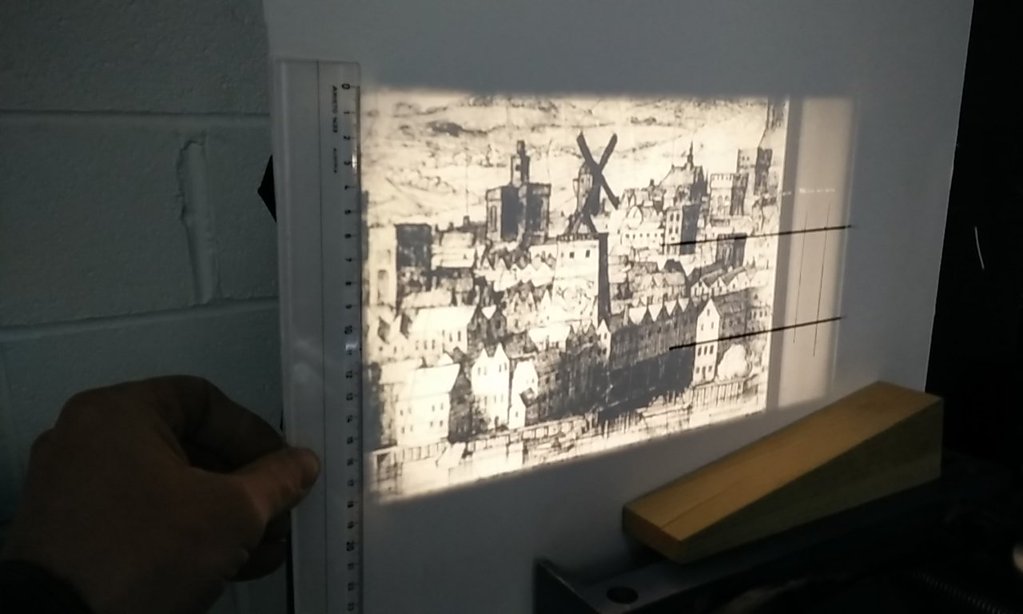
festival23 mention

Archeology Cube


camera as projector

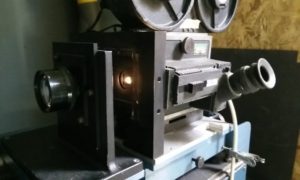
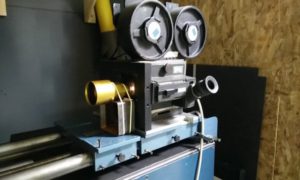
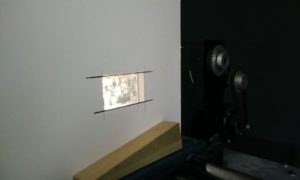
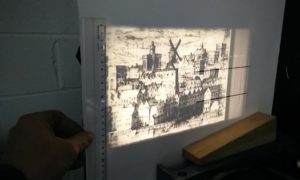
So here is a camera being used as a projector, ie a light source is inside the camera body projecting through the gate where a piece of film is held. The left one has a 135mm (Apochromat, Kinoptik) lens BUT the right one has a cinema 35mm lens with focal length of 40mm. The image sizes are below. The camera is at its furthest travel to the end of the optical bench so the point of this exercise is to establish the potential image area that can be photographed with different lenses OR how much another moving image frame can be REDUCED. And with a 40mm lens the answer is a LOT. With the 135mm lens (the frame for this seen marked on the screen) you could fit 7 super 16mm images horizontally across. The bottom left image shows a projection that is about 97mm in width.

oxberry-proj

40mm-wide

135mm40mm

light piece with spheres

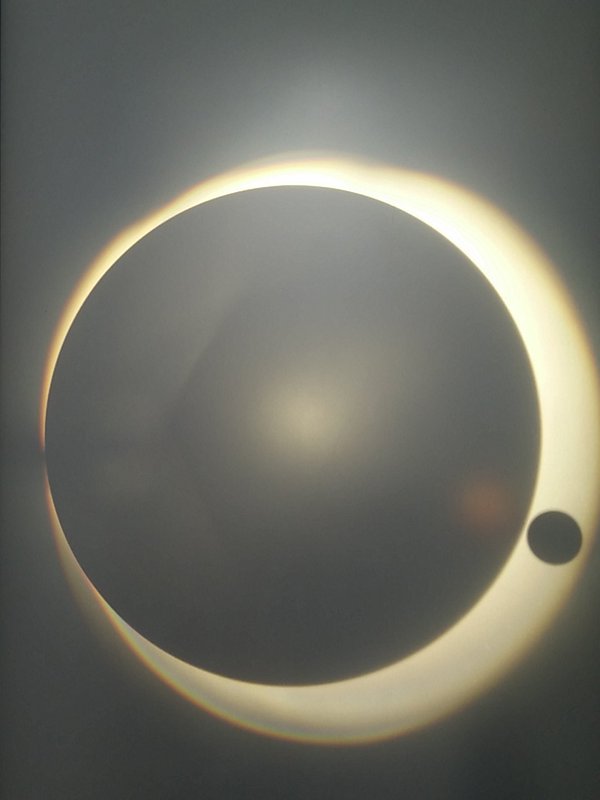
Here is a shot of the open studio light piece with shadows of ping pong balls configured to imagine a planetary event.

The projector was a rank tutor with its normal lens removed and instead a 35mm cinema lens. The small ball is levitating, the large one also appears to be floating.

planet-ping

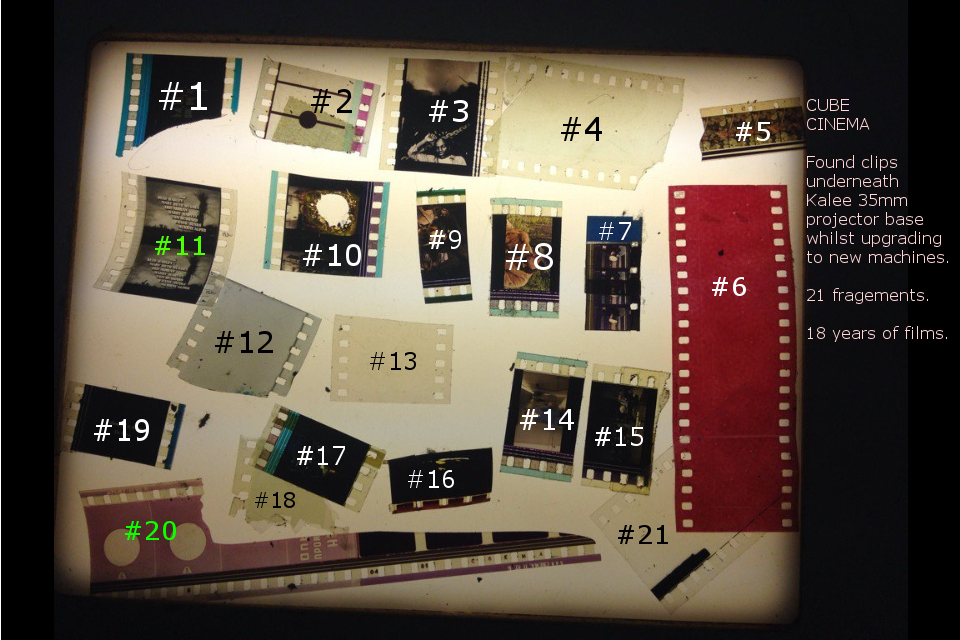
Found inches

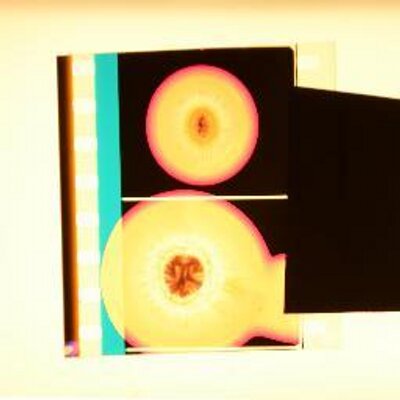
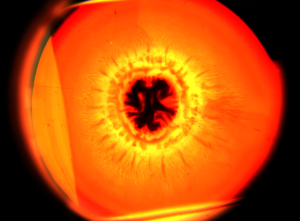
Frames found under the pedastol of the Kalee21 projector we have been using at the Cube Cinema since 1998 that was recently retired to make way for some modern machines. For an 18 year period I thought this small sample of wasted, discarded, lost or just dropped frames would make a good Archeo-Cube project. So I am going to scan them and via a video timeline, attempt to place them historically and culturally within our history (the Cube Cinema) but also within the wider context of cinema and the changes that have taken place over the span of the samples.


Nitrate to Nikon

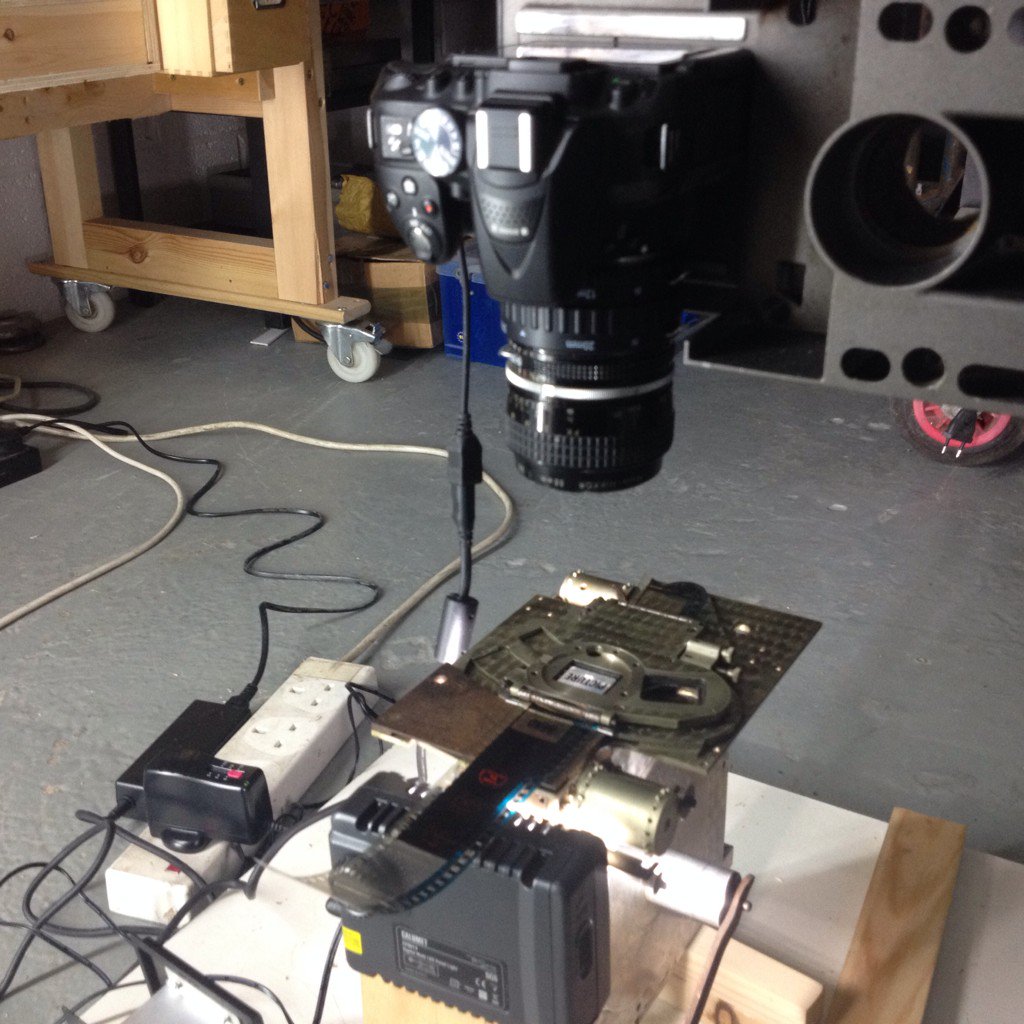
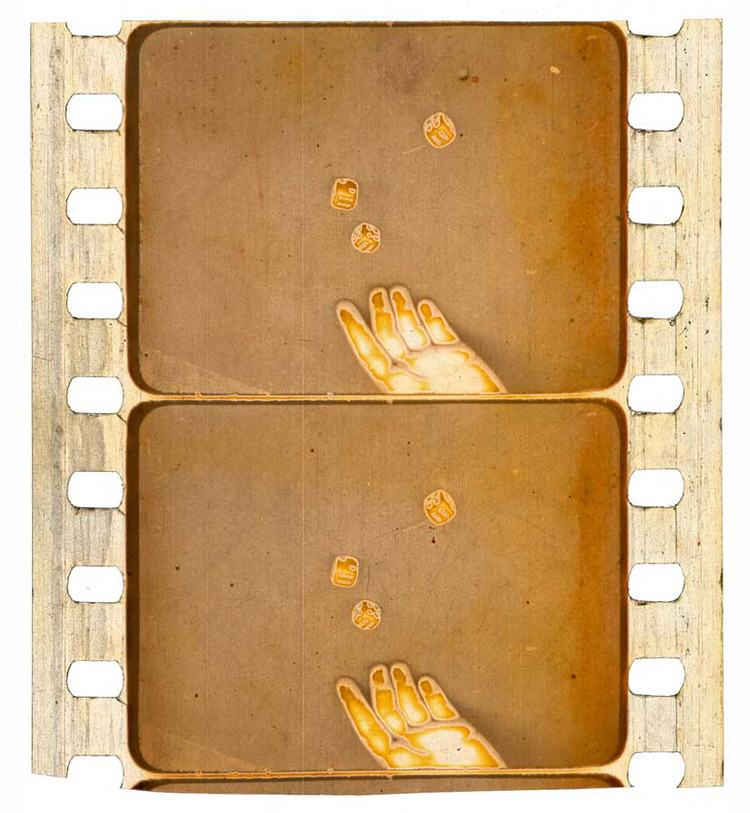
Here is the basics of a small rig I am going to use to make digital copies of a small amount of Nitrate film found at the Cube Cinema a few years ago. The b/w positive print dates from 1947 and appears to be a short Charlie Chaplin film.

I am going to have to build a base with X, Y and 0 adjustment and the old enlarger stand really needs something better for the Z adjustment. The light source is an LED array mounted behind an enlarger light box which acts as an excellent diffuser.

The camera is a Nikon 5300. I just bought a macro lens for this and the results look good. Each frame will be copied to highest res and size and combined into a moving image sequence.

The photo shows an old Nikon Micro 55m F mount lens with extension tubes.

The Debrie film mechanism gives very stable registration in tests so far.

I will be doing each frame by hand as there is such a small amount.


What is Cinema?

I’m asking people this question. Seeking peoples definitions in simple terms. Here I will compile the answers. If this question was “what is A cinema” we would get answers that only relate to he institution of a building and its use and this would weight the enquiry too much in one (predicatable) direction.

James Reed  “Film based projection”  (he was biased, I’d just summarised what I was up to).


See this for further practical reasons for thinking that film based projection is the ontological basis of ‘Cinema’.

http://www.filmadvocacy.org/2014/05/14/projection-the-politics-of-passivity/

Kino-Im-Sprengel, Hannover, Germany

After a hard care share journey to Hannover (5 hours) we were dropped rather weirdly at the wrong place. We eventually got a train to Hannover and were met by Peter Hoffman from K-I-S.

We walked to the cinema and were very impressed by this place.


I’m jumping to the screening now which went really well. We were also met by the Hannover twinning association people and felt like honorary guests.

We started the night with a short presentation that sketched out the process and experience of buying the Cinema.

Everyone watched the whole film through and our Q&A afterwards was superbly translated by Christine from the Kino. People asked great questions and it felt the talk went on for over an hour.


IMG_8487


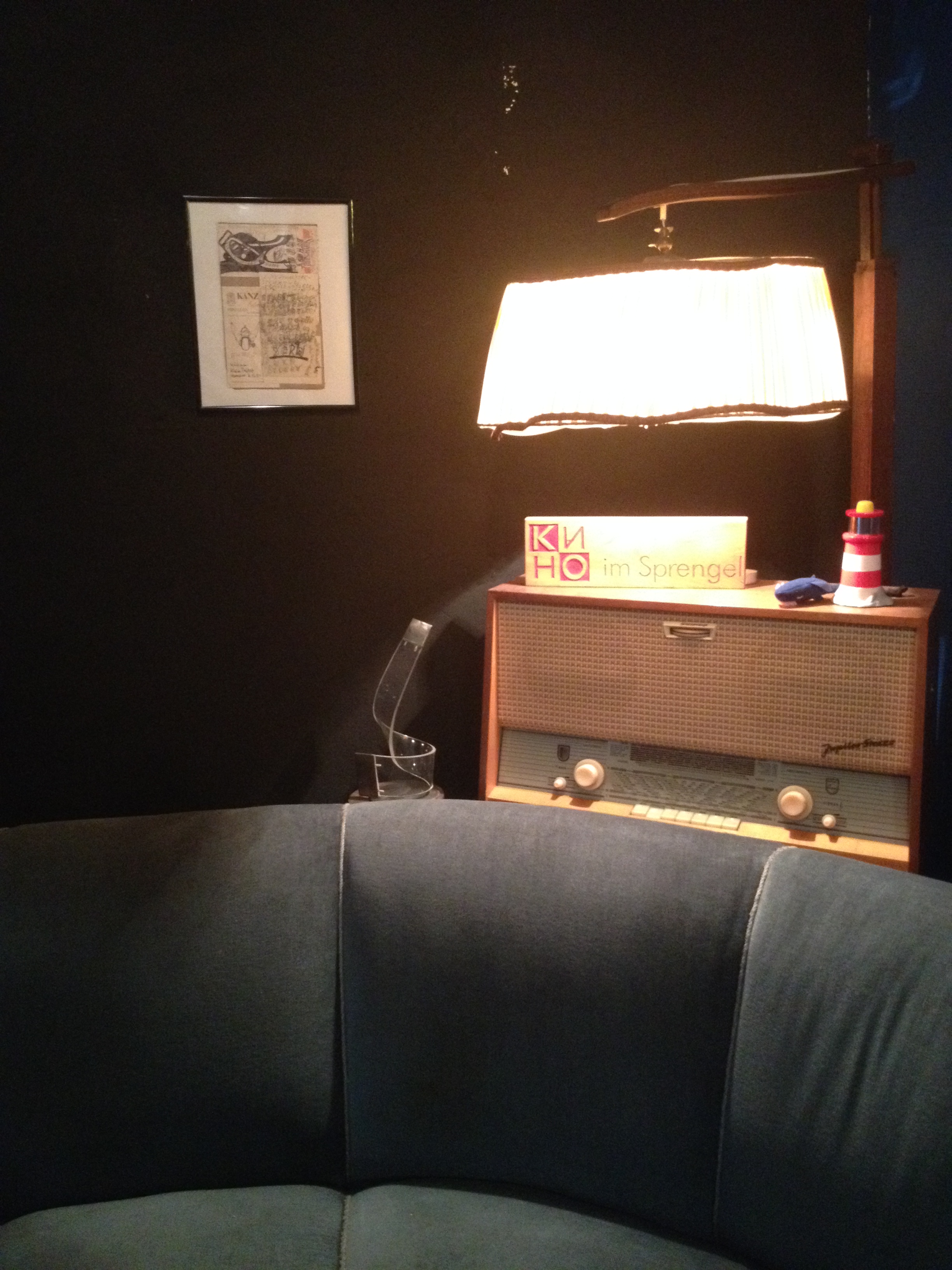
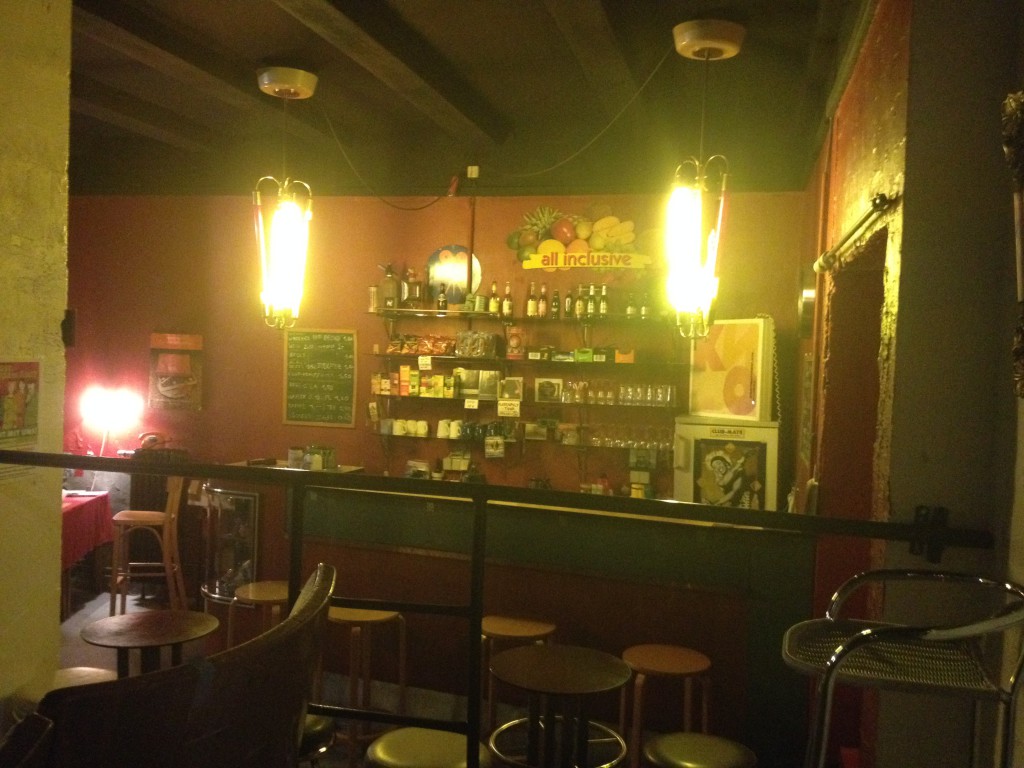
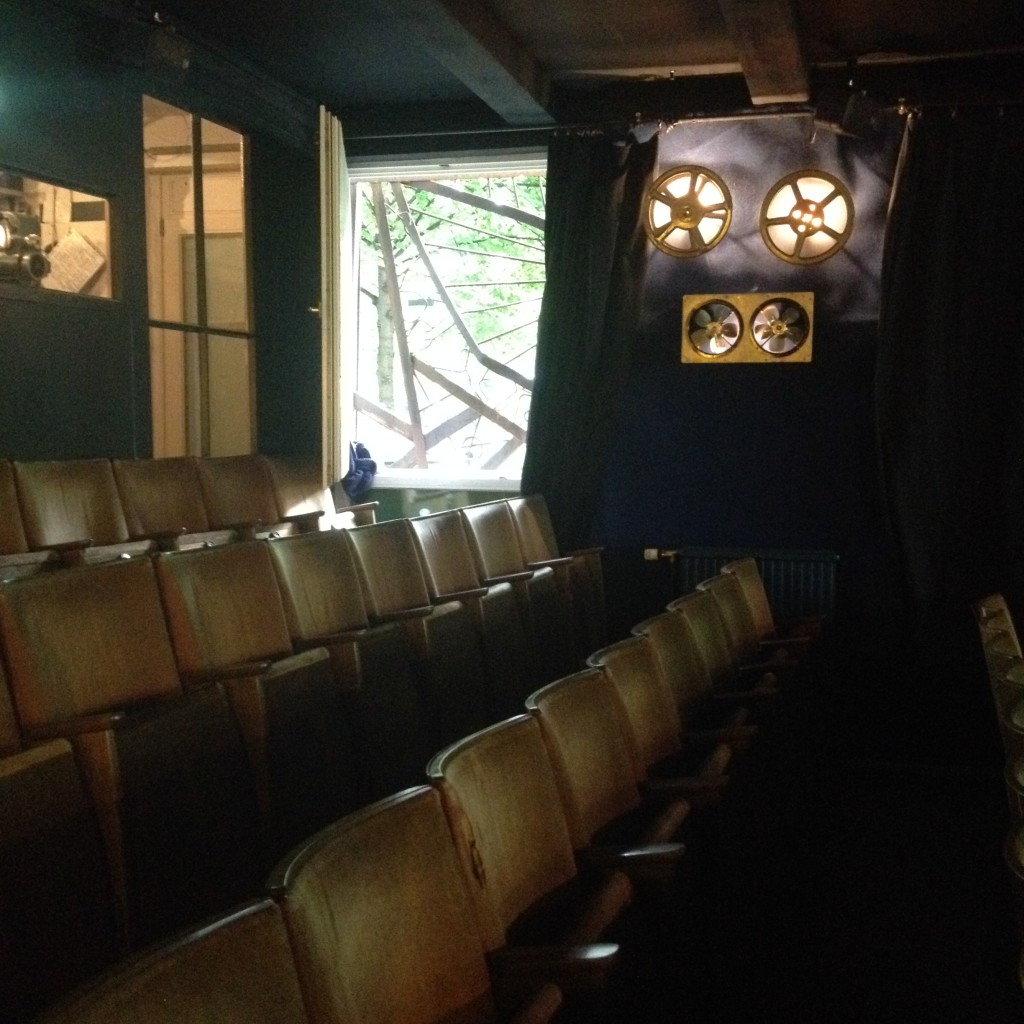
Kino-Im-Sprengel is a space built into a large empty building. The layout has arm chairs, sofas and all these side areas like lounges dotted around so is really condusive to a homely vibe. Franz said that when it was planned/layed out the idea was that everyone, the foh, the bar staff, the projectionist could all see the screen at the same time.

IMG_8492

Cinema Nova, Brussels, Belgium

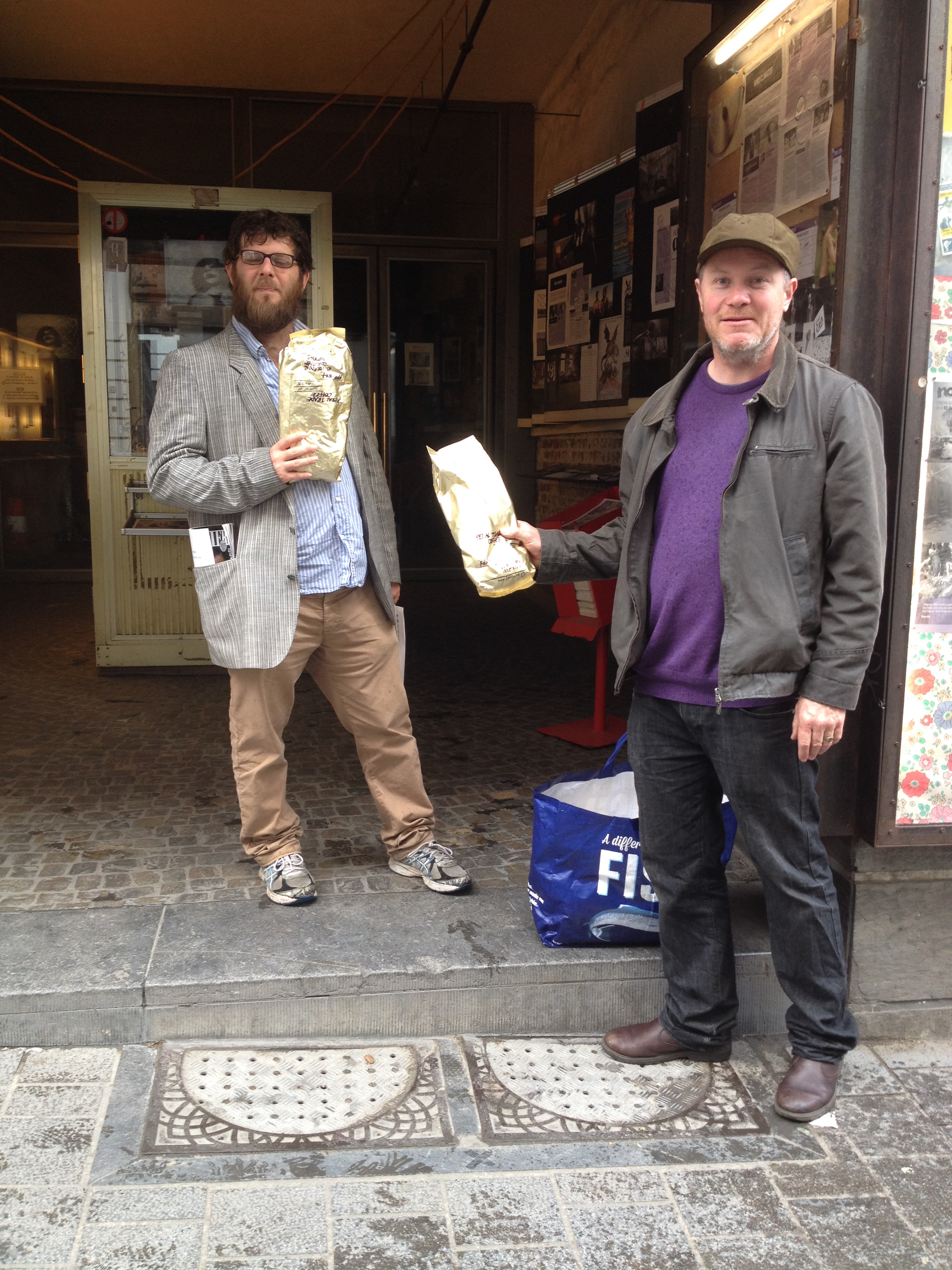
So we showed the film at Cinema Nova on thursday and did a Q&A afterwards with some great questions and surprise visitors. Namely Leah, old Cube volunteer who popped up in Brussels. It was amazing to see everyone at Nova again, Guill, Seb, Katia, Phillip and meet new people like Denise. The film was warmly received and looked great projected in their beautiful auditorium.


Nova has a great bar under the cinema auditorium. A BIG bar. My message to Cube vols is dont be afraid of a big bar, like Nova, you can fill it with your soul. They have a chef there who makes food at certain days and this really makes a huge atmosphere for people coming early, that they can eat and not just drink.